
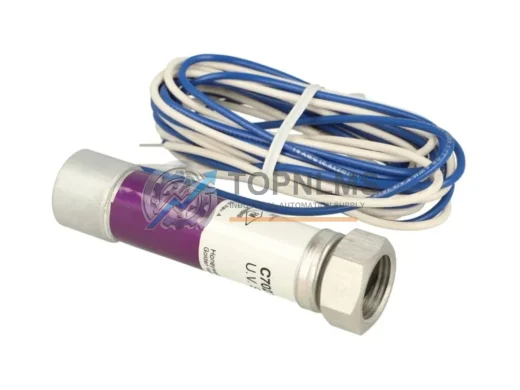
Honeywell
Honeywell CSNS300M-500 Ruggedized Current Sensor Module
CSNS300M-500Honeywell CSNS300M-500 closed-loop Hall-effect current sensor, 300A/±500A. Rugged, EMI-resistant, PLC/DCS compatible. In stock, tested, 12-month warranty.
Request availability, condition, lead time and export shipping details for SPXCDXSB1SS.
Send this exact part number, quantity and destination country. TOPNLMS will confirm availability, condition and export lead time before quotation.
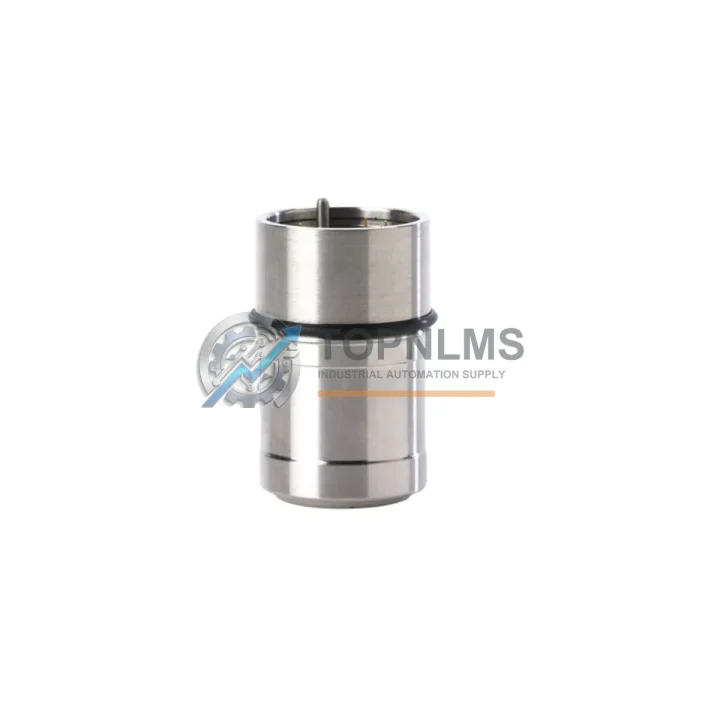
The Honeywell SPXCDXSB1SS is an original Sensepoint XCD fixed gas detector engineered for continuous, reliable gas monitoring in demanding industrial environments. Constructed with a stainless steel housing and certified to ATEX, IECEx, and SIL 2 standards, this unit is purpose-built for hazardous area installations where system uptime and personnel safety are non-negotiable. Whether you are managing a petrochemical plant, a water treatment facility, a pharmaceutical production line, or a large-scale manufacturing complex, the SPXCDXSB1SS delivers the detection accuracy and environmental resilience required to keep your safety systems fully operational.
Maintaining a verified spare of the SPXCDXSB1SS in your on-site inventory is one of the most cost-effective decisions a maintenance team can make. Unplanned downtime caused by a failed gas detector can trigger a full-zone shutdown, regulatory non-compliance, and significant production losses. With a pre-tested, ready-to-deploy replacement unit on hand, your team can execute a like-for-like swap within minutes, restoring system integrity without waiting for emergency procurement cycles that can stretch days or weeks.
| Parameter | Specification |
|---|---|
| Part Number / SKU | SPXCDXSB1SS |
| Brand | Honeywell |
| Series | Sensepoint XCD |
| Product Type | Fixed Gas Detector / Transmitter |
| Housing Material | Stainless Steel (316L) |
| Hazardous Area Certification | ATEX / IECEx |
| Safety Integrity Level | SIL 2 Capable |
| Output Signal | 4–20 mA analog + HART / Modbus (model dependent) |
| Power Supply | 18–32 V DC |
| Operating Temperature | -40°C to +65°C |
| Ingress Protection | IP66 / IP67 |
| Cable Entry | M20 conduit / cable gland |
| Mounting | Wall / pipe mount (standard bracket compatible) |
| Compatible Gas Types | Toxic gases, flammable gases, oxygen (sensor-dependent) |
| Compatibility | Sensepoint XCD controller systems, third-party 4–20 mA control panels |
| Origin | United States |
| Condition | Original, New-in-Box |
| Warranty | 12 Months |
A robust preventive maintenance program for gas detection systems extends well beyond the detector head itself. When scheduling a routine inspection or planned replacement of the SPXCDXSB1SS, experienced maintenance engineers treat the exercise as an opportunity to audit the entire gas detection loop and the surrounding control infrastructure.
Begin with the sensor cartridge and catalytic bead or electrochemical cell inside the detector. Sensor elements have defined service lives — typically 2 to 3 years for electrochemical toxic gas sensors — and should be replaced on a scheduled basis rather than waiting for a fault alarm. At the same time, inspect the Honeywell Sensepoint XCD sensor replacement cartridges (SPXCDALMSS, SPXCDALCSS series) to confirm you hold the correct sensor type for your target gas. A mismatched sensor cartridge is one of the most common causes of false readings in the field.
Next, verify the integrity of the signal cable running from the SPXCDXSB1SS back to the control panel. Shielded twisted-pair instrumentation cable rated for the installation zone should be inspected for insulation damage, moisture ingress at gland entries, and correct termination at both ends. If the cable run passes through a junction box, check the terminal blocks and ensure all connections are torqued to specification — loose terminals are a leading cause of intermittent 4–20 mA signal drift.
At the control panel or safety controller, confirm that the Honeywell Sensepoint XCD controller module (SPXCDXCB or equivalent) is reading the correct zero and span values. If your facility uses a Honeywell HC900 hybrid controller or a third-party DCS with analog input cards, verify that the input channel scaling matches the detector’s output range. This is also the right moment to inspect the 24 V DC power supply module feeding the detector loop — an aging power supply with marginal output voltage can cause nuisance alarms and should be replaced proactively.
For facilities running multiple gas detection zones, consider auditing the relay output modules connected to the Sensepoint XCD system. Relay contacts that switch alarm horns, solenoid valves, or ventilation fans accumulate contact wear over time. Replacing relay modules on a 5-year cycle — or after a defined number of switching operations — prevents contact failure at the worst possible moment. Similarly, inspect any signal isolators or barriers installed between the detector and the control system, particularly in installations where the detector is located in a Zone 1 or Zone 0 hazardous area and the control panel is in a safe area.
Finally, review your HMI or SCADA display to confirm that alarm setpoints, inhibit timers, and fault relay logic are correctly configured for the SPXCDXSB1SS after any replacement. A detector swap that is not followed by a functional test and setpoint verification is an incomplete maintenance task. Document the replacement date, sensor batch number, and post-installation bump test result in your maintenance management system to support regulatory audit trails.
The SPXCDXSB1SS is designed as a direct replacement for earlier Sensepoint XCD stainless steel variants, maintaining full backward compatibility with existing Honeywell Sensepoint XCD wiring infrastructure, conduit entries, and mounting brackets. This means your maintenance team can execute a replacement without modifying cable runs, reterminating field wiring, or reconfiguring controller parameters — a critical advantage when minimizing process downtime is the primary objective.
For facilities that have been operating legacy Honeywell Sensepoint or older Oldham OLCT 100 series detectors, the SPXCDXSB1SS provides a clear upgrade path. The stainless steel housing offers superior corrosion resistance compared to aluminum-bodied predecessors, making it the preferred choice for offshore platforms, coastal chemical plants, and food-grade processing environments where washdown and salt-laden atmospheres accelerate housing degradation.
Procurement teams managing multi-site operations benefit from standardizing on the SPXCDXSB1SS across all stainless steel detector positions within their Sensepoint XCD installations. Standardization reduces the number of unique spare part numbers held in the central warehouse, simplifies technician training, and enables cross-site inventory pooling — all of which contribute to lower total cost of ownership over the asset lifecycle.
Each SPXCDXSB1SS unit supplied by TOPNLMS is sourced from authorized distribution channels, individually inspected prior to dispatch, and shipped with full factory documentation. Units are tested for output signal integrity before leaving our facility, and every order is backed by a 12-month warranty covering manufacturing defects and component failure under normal operating conditions.
Q1: What is the expected service life of the SPXCDXSB1SS, and when should I plan for replacement?
The Sensepoint XCD detector housing and electronics are designed for a service life of 10+ years under normal operating conditions. However, the internal sensor cartridge has a shorter replacement interval — typically 2 years for electrochemical toxic gas sensors and 3–5 years for catalytic bead flammable gas sensors. We recommend maintaining at least one complete spare unit (SPXCDXSB1SS) plus two sensor cartridges per installation zone to support both scheduled maintenance and emergency replacement scenarios.
Q2: Is the SPXCDXSB1SS compatible with my existing Sensepoint XCD controller and wiring?
Yes. The SPXCDXSB1SS is fully compatible with the Honeywell Sensepoint XCD controller family and uses the standard 3-wire 4–20 mA interface. It is a direct mechanical and electrical replacement for existing stainless steel Sensepoint XCD detector positions. No wiring modifications or controller reconfiguration are required for a like-for-like swap. If you are integrating into a third-party control system, the 4–20 mA HART output is compatible with most DCS and PLC analog input modules.
Q3: What pre-shipment testing is performed, and what does the 12-month warranty cover?
Every SPXCDXSB1SS unit undergoes output signal verification and visual inspection before dispatch. The 12-month warranty covers manufacturing defects and component failure under normal operating conditions from the date of delivery. It does not cover damage resulting from incorrect installation, exposure to gas concentrations beyond the rated measurement range, or unauthorized modification. Warranty claims are processed with priority turnaround to minimize your site downtime.
Q4: How should I verify compatibility and manage my spare parts inventory for a multi-zone gas detection system?
For compatibility verification, cross-reference the SPXCDXSB1SS part number against your existing Sensepoint XCD installation records and the Honeywell product datasheet for your target gas type and sensor range. For inventory planning, we recommend a minimum stock level of one detector unit per four installed positions, with sensor cartridges stocked at a 1:1 ratio per installed detector. TOPNLMS can support bulk procurement with volume pricing — contact [email protected] to discuss your site requirements.
Honeywell CSNS300M-500 closed-loop Hall-effect current sensor, 300A/±500A. Rugged, EMI-resistant, PLC/DCS compatible. In stock, tested, 12-month warranty.
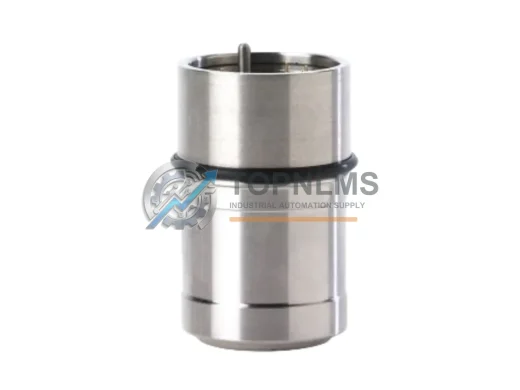
Honeywell SPXCDXSFXSS catalytic bead LEL sensor cartridge for XCD fixed gas detectors. Rugged, reliable, in stock. 12-month warranty. Fast global shipping.
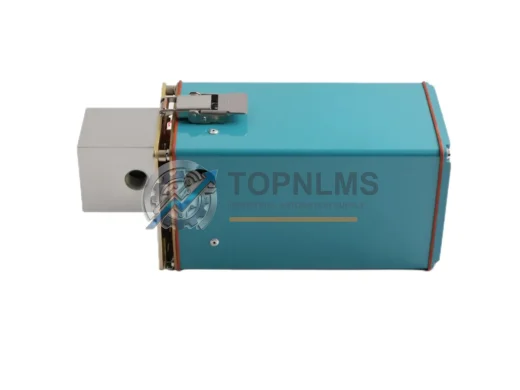
Buy Honeywell C7076A1015 original UV flame sensor — C7076 series compatible, drop-in BMS replacement. Pre-shipment tested, 12-month warranty, fast global dispatch.
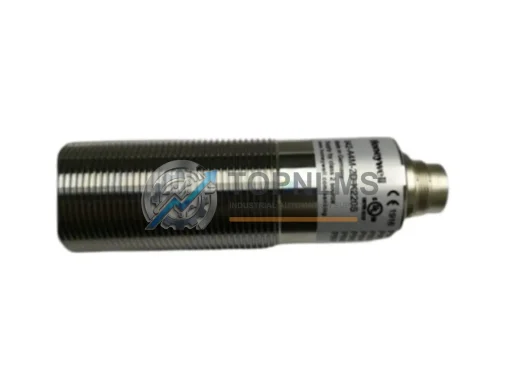
Honeywell 942-A4M-2D-K220S ultrasonic proximity sensor, 4m range, 4–20mA dual output, M30, rated for harsh industrial environments. In stock, 12-month warranty.
Click Quote This Model and the Part Number field will auto-fill with SPXCDXSB1SS.