
Yokogawa
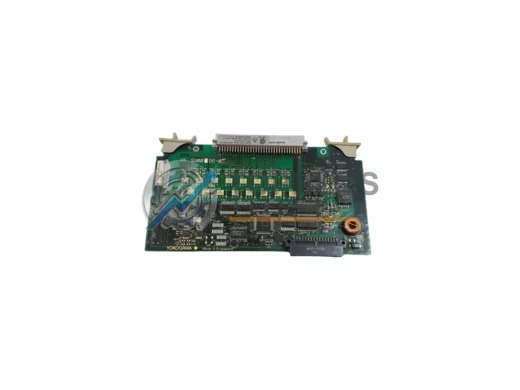
YOKOGAWA AMN32 S1 Original Industrial Spare CENTUM VP Compatible
AMN32 S1YOKOGAWA AMN32 S1 original DCS I/O module for CENTUM VP systems. Verified spare, 12-month warranty, fast global shipping. Reduce downtime now.
Request availability, condition, lead time and export shipping details for ADV159-P00 S1.
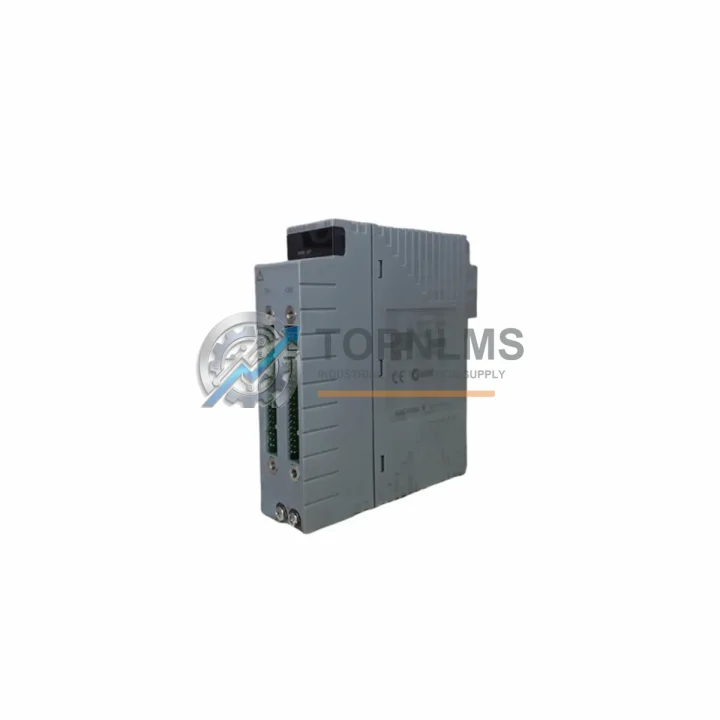
Send this exact part number, quantity and destination country. TOPNLMS will confirm availability, condition and export lead time before quotation.
The YOKOGAWA ADV159-P00 S1 is a 32-channel digital input (DI) module designed for the CENTUM VP and CS 3000 Distributed Control Systems — two of the most widely deployed DCS platforms in the petrochemical, power generation, pulp and paper, and pharmaceutical industries. As a genuine original spare part sourced directly from authorized supply chains, the ADV159-P00 S1 provides maintenance engineers and procurement teams with a reliable, drop-in replacement that preserves system integrity without requiring reconfiguration, re-engineering, or firmware updates.
In aging plant environments where CENTUM VP and CS 3000 systems continue to serve as the backbone of process control, securing verified original modules like the ADV159-P00 S1 is not merely a procurement decision — it is a risk management strategy. Unplanned downtime caused by a failed DI module can halt production lines, trigger safety shutdowns, and generate losses that far exceed the cost of maintaining a proactive spare parts inventory. This module addresses that risk directly.
| Parameter | Specification |
|---|---|
| Part Number | ADV159-P00 S1 |
| Manufacturer | YOKOGAWA Electric Corporation |
| Module Type | 32-Channel Digital Input (DI) Module |
| Compatible Systems | CENTUM VP, CS 3000 DCS |
| Input Channels | 32 channels (isolated) |
| Input Signal Type | Dry contact / Voltage input (DC) |
| Isolation | Channel-to-bus optical isolation |
| Power Consumption | Per CENTUM VP field bus card specification |
| Operating Temperature | 0°C to 60°C (32°F to 140°F) |
| Humidity | 10% to 90% RH (non-condensing) |
| Mounting | Node unit / I/O nest hot-swap compatible |
| Country of Origin | Japan |
| Weight | Approx. 2,140 g (module with housing) |
| Warranty | 12 Months from date of shipment |
| Condition | Original, tested before dispatch |
When scheduling a planned maintenance window or responding to an unplanned shutdown involving the ADV159-P00 S1, experienced maintenance engineers know that a single failed module rarely exists in isolation. The CENTUM VP and CS 3000 architectures distribute I/O across node units, field control stations (FCS), and bus communication networks — meaning that a thorough inspection should extend beyond the failed DI module itself.
During the same maintenance cycle, it is strongly recommended to inspect and, where applicable, pre-stock the following related components:
The ADV151-P00 and ADV161-P00 analog input modules share the same node unit architecture as the ADV159-P00 S1 and are subject to similar wear patterns in high-cycle environments. If the DI module has shown signs of contact degradation or signal noise, the adjacent AI modules should be tested under load before the system is returned to service.
The ADV557-P00 digital output (DO) module is frequently paired with the ADV159-P00 S1 in interlock and safety logic circuits. A fault in the DI module that went undetected for an extended period may have caused abnormal switching cycles in the corresponding DO module — making it a priority inspection item during the same corrective maintenance visit.
The ACM12-P10 communication module governs data exchange between the field control station and the operator station. If the DI module failure was accompanied by communication alarms or HIS display anomalies, the ACM12-P10 should be checked for firmware integrity and connector condition.
Power supply modules such as the PW481 and PW482 supply regulated DC power to the I/O node units. Voltage fluctuations or ripple from an aging power supply are a common root cause of intermittent DI module faults. Replacing or testing the power supply module during the same outage window eliminates this variable and reduces the likelihood of a repeat failure.
Terminal blocks and field wiring connectors — particularly the TB805 and TB810 series — should be inspected for oxidation, loose terminations, and insulation degradation. In humid or chemically aggressive environments, terminal block failure is a leading cause of false digital input signals that are often misdiagnosed as module faults.
For plants running redundant FCS configurations, the ESB Bus coupler and associated node unit backplane should be visually inspected for corrosion or mechanical damage. A compromised backplane can cause intermittent communication errors that manifest as DI module alarms even when the module itself is functional.
Finally, if the control cabinet houses an HIS operator station or a CENTUM VP engineering workstation, this maintenance window is an appropriate time to verify that the system software version is compatible with the replacement ADV159-P00 S1 module and that all I/O assignments are correctly mapped in the FCS builder database.
Maintaining a minimum buffer stock of one ADV159-P00 S1 module per FCS node, alongside critical companion modules, is a best practice that significantly reduces mean time to repair (MTTR) and supports continuous production targets.
The ADV159-P00 S1 is a direct replacement for earlier CENTUM CS 3000 DI modules used in the same node unit form factor. Plants that have migrated from CS 3000 to CENTUM VP can continue to use this module without hardware redesign, as YOKOGAWA maintains backward compatibility across the CENTUM platform generations. This makes the ADV159-P00 S1 an ideal solution for lifecycle extension projects where full system replacement is not yet economically justified.
For maintenance teams managing aging CENTUM CS 3000 installations, the ADV159-P00 S1 provides a clear path to extend system life by 5–10 years without the capital expenditure of a full DCS migration. The module’s original firmware and hardware design ensure that existing I/O wiring, loop configurations, and interlock logic remain fully operational after replacement — eliminating the engineering hours typically associated with third-party or refurbished alternatives.
All units supplied by TOPNLMS are tested prior to dispatch using functional verification procedures aligned with YOKOGAWA’s original factory acceptance criteria. Each module is shipped with anti-static packaging, inspection documentation, and a 12-month warranty covering manufacturing defects and functional failures under normal operating conditions.
Q1: Is the ADV159-P00 S1 compatible with both CENTUM VP and CS 3000 systems?
Yes. The ADV159-P00 S1 is designed for use in YOKOGAWA CENTUM VP and CS 3000 DCS node units. It is a direct plug-in replacement within the same I/O nest, requiring no hardware modification. Always verify the node unit model and FCS software version with your system documentation before installation.
Q2: What testing is performed before shipment?
Each ADV159-P00 S1 unit undergoes functional verification prior to dispatch, including channel continuity checks, isolation resistance testing, and power-on self-test validation. A test report is available upon request. All units are shipped in anti-static packaging to prevent ESD damage during transit.
Q3: What does the 12-month warranty cover?
The 12-month warranty covers manufacturing defects and functional failures under normal operating conditions from the date of shipment. It does not cover damage resulting from improper installation, electrical overstress, or use outside the module’s rated environmental specifications. Warranty claims are processed within 5 business days of receipt of the returned unit.
Q4: How should I manage spare parts inventory for CENTUM VP DI modules?
Industry best practice recommends maintaining at least one spare DI module per active node unit in critical process areas, with a higher buffer ratio (2:1) in continuous production environments where unplanned downtime carries significant financial or safety consequences. Modules should be stored in a climate-controlled environment, inspected annually, and rotated into service on a first-in, first-out basis to prevent shelf degradation.
YOKOGAWA AMN32 S1 original DCS I/O module for CENTUM VP systems. Verified spare, 12-month warranty, fast global shipping. Reduce downtime now.
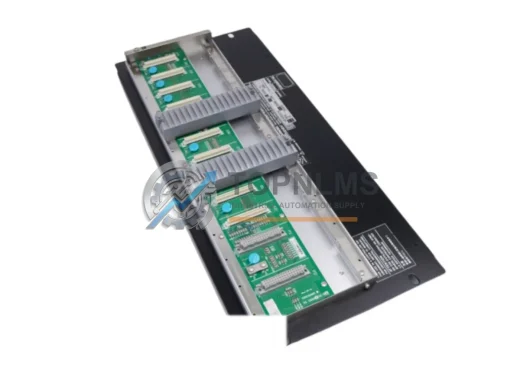
Yokogawa ANB10D-421 original 4-ch 4–20mA analog output module for CENTUM VP & CS 3000. Industrial spare, 12-month warranty, tested before shipment.
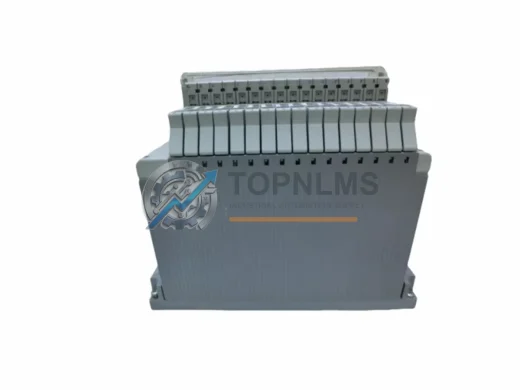
YOKOGAWA AMN21 replacement & upgrade solution for CENTUM CS3000/VP DCS. Compatible wiring, 12-month warranty, fast shipping. Contact: [email protected]
Yokogawa AMM12-S2 original analog input module for CENTUM DCS systems. Tested, 12-month warranty, fast worldwide shipping. Reduce downtime with genuine spares.
Click Quote This Model and the Part Number field will auto-fill with ADV159-P00 S1.