
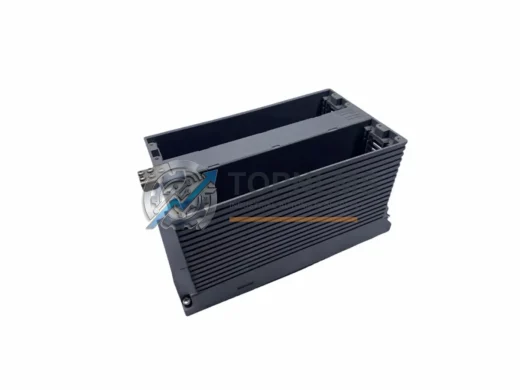
Yokogawa
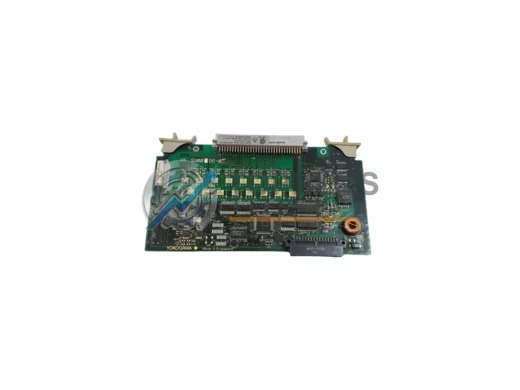
YOKOGAWA AMN32 S1 Original Industrial Spare CENTUM VP Compatible
AMN32 S1YOKOGAWA AMN32 S1 original DCS I/O module for CENTUM VP systems. Verified spare, 12-month warranty, fast global shipping. Reduce downtime now.
Request availability, condition, lead time and export shipping details for A2EE2A-T S1.
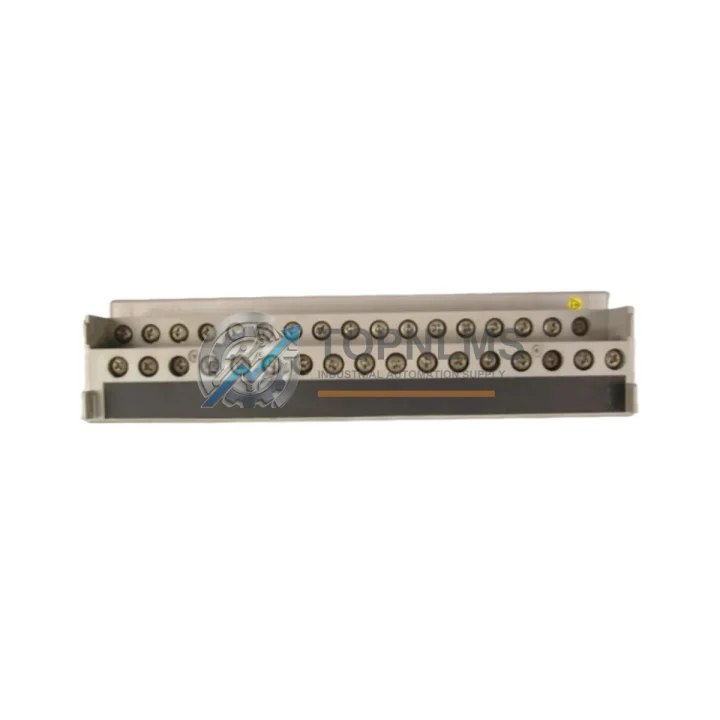
Send this exact part number, quantity and destination country. TOPNLMS will confirm availability, condition and export lead time before quotation.
The Yokogawa A2EE2A-T S1 is an original 32-channel DCS digital input module engineered for the CENTUM VP and CS 3000 distributed control systems — two of the most widely deployed process automation platforms in refining, petrochemical, power generation, and pharmaceutical manufacturing. Maintaining an available stock of the A2EE2A-T S1 is a foundational element of any serious spare parts strategy for facilities running Yokogawa CENTUM architecture.
When a digital input module fails in a live process environment, the consequences extend far beyond the module itself. A single unplanned shutdown in a continuous process plant can cost tens of thousands of dollars per hour. The A2EE2A-T S1 provides a direct, plug-compatible replacement path that eliminates the need for re-engineering, re-wiring, or firmware reconfiguration — preserving your existing system investment while restoring full operational capacity in the shortest possible time.
| Model / SKU | A2EE2A-T S1 |
| Brand | Yokogawa Electric Corporation |
| Series | CENTUM VP / CS 3000 |
| Module Type | DCS Digital Input Module |
| Input Channels | 32 Channels |
| Input Signal Type | Dry contact / Voltage-free digital input |
| Rated Input Voltage | 24 V DC (nominal) |
| Isolation | Optical isolation between field and system bus |
| Communication Interface | Internal CENTUM VP / CS 3000 V-net / ESB bus |
| Mounting | Plug-in card, CENTUM VP / CS 3000 I/O nest compatible |
| Operating Temperature | 0 °C to 55 °C |
| Storage Temperature | -20 °C to 70 °C |
| Humidity | 5% to 95% RH (non-condensing) |
| Country of Origin | Japan |
| Compatibility | CENTUM VP R4.x / R5.x / R6.x, CS 3000 R3.x |
| Application Environment | Process automation, refining, power, pharma, chemical |
| Maintenance Recommendation | Inspect every 24 months; replace proactively at first sign of intermittent I/O faults |
| Warranty | 12 Months from date of shipment |
A disciplined preventive maintenance program for CENTUM VP and CS 3000 systems goes well beyond replacing individual modules on failure. The A2EE2A-T S1 sits within a broader I/O subsystem, and its reliable operation depends on the health of every component in the same control cabinet and electrical loop.
During scheduled outages or annual turnarounds, maintenance engineers should treat the A2EE2A-T S1 replacement as part of a coordinated cabinet inspection. The A2EE2A-T S1 digital input module interfaces directly with field wiring through terminal assemblies — inspecting and, where necessary, replacing the associated terminal block assemblies and marshalling panels at the same time eliminates a common source of intermittent faults that are frequently misdiagnosed as module failures.
The I/O nest that houses the A2EE2A-T S1 also accommodates companion modules including digital output modules (e.g., A2EE4A series) and analog input modules (e.g., AAI141-S00 / AAI143-S00). Technicians performing a cabinet walkdown should verify the seating and LED status of all modules in the nest simultaneously, as a loose or degraded module in an adjacent slot can introduce bus communication errors that affect the entire nest.
Power integrity is equally critical. The CENTUM VP power supply modules (e.g., APW100 / APW102) that feed the I/O nests should be checked for output voltage stability and capacitor aging during the same maintenance window. A marginal power supply is one of the leading causes of unexplained DCS module resets and diagnostic alarms. Keeping a spare power supply module on the shelf alongside the A2EE2A-T S1 is a low-cost insurance policy against extended downtime.
For facilities running redundant CENTUM VP field control stations (FCS), the communication bus coupler modules and V-net interface cards warrant periodic inspection. Degraded bus termination or a failing coupler can cause the entire FCS to drop to single-redundancy without triggering an obvious alarm, leaving the system vulnerable to a second-point failure. Pairing A2EE2A-T S1 procurement with a review of bus coupler stock is a best practice for high-availability plants.
Field signal conditioning is another area where proactive stocking pays dividends. Signal isolators and Zener barriers used in intrinsically safe loops connected to the A2EE2A-T S1 inputs should be tested for drift during turnarounds. Aged barriers can introduce leakage currents that cause false digital input states — a fault mode that is difficult to diagnose without proper test equipment. Maintaining a small buffer stock of approved barrier models eliminates the risk of extended troubleshooting delays.
Finally, the CENTUM VP engineering workstation (EWS) and operator station (HIS) software environment should be kept current with Yokogawa-approved patches. While not a hardware spare, ensuring that the EWS can correctly enumerate and configure a replacement A2EE2A-T S1 before the module is needed in an emergency is a step that is frequently overlooked until it becomes a critical path item during an unplanned outage.
The A2EE2A-T S1 is a direct plug-in replacement for earlier CENTUM CS 3000 digital input modules of the same form factor, allowing facilities to standardize on a single spare part number that covers both legacy CS 3000 and current CENTUM VP installations. This cross-generation compatibility significantly reduces the number of unique line items required in a spare parts inventory, lowering carrying costs while maintaining full coverage across mixed-vintage control systems.
For plants that have deferred a full DCS migration due to capital constraints, the A2EE2A-T S1 provides a cost-effective path to extending the operational life of existing CENTUM infrastructure by five to ten years or more. Rather than committing to a full system replacement, maintenance managers can implement a rolling module refresh strategy — replacing aging I/O cards on a planned schedule during turnarounds, restoring system reliability without the risk and cost of a full cutover.
When evaluating replacement options, procurement teams should prioritize original Yokogawa modules over third-party alternatives. Original modules carry factory calibration data, are fully validated against the CENTUM VP firmware, and are eligible for Yokogawa technical support. Counterfeit or refurbished modules may appear functionally identical but can introduce subtle compatibility issues that only manifest under specific process conditions — a risk that is unacceptable in safety-critical applications.
TOPNLMS sources the A2EE2A-T S1 directly from authorized supply channels. Every unit undergoes functional verification prior to shipment, and all modules are shipped with full traceability documentation. Our 12-month warranty covers manufacturing defects and provides a clear remediation path in the event of an early-life failure — giving procurement and maintenance teams the confidence to stock spare modules without concern about shelf-life risk.
Q1: What is the recommended spare parts holding quantity for the A2EE2A-T S1?
For a typical CENTUM VP installation with 4–8 FCS units, a minimum holding of 2–4 A2EE2A-T S1 modules is recommended. Plants with continuous process operations or extended lead times from local distributors should consider holding 6 or more units to cover both immediate replacement needs and the duration of a standard procurement cycle.
Q2: Is the A2EE2A-T S1 compatible with both CENTUM VP and CS 3000 systems?
Yes. The A2EE2A-T S1 is designed for use in CENTUM VP I/O nests and is also backward-compatible with CS 3000 installations of the same nest type. Before installation, verify the nest hardware revision and FCS firmware version against Yokogawa’s compatibility matrix to confirm suitability for your specific system revision.
Q3: What pre-shipment testing does TOPNLMS perform on the A2EE2A-T S1?
Each A2EE2A-T S1 unit is functionally tested prior to shipment to verify channel integrity, bus communication response, and LED diagnostic behavior. Units that do not pass functional verification are quarantined and not shipped. Test records are available upon request for quality-critical procurement processes.
Q4: What does the 12-month warranty cover, and how is a warranty claim processed?
The 12-month warranty covers defects in materials and workmanship under normal operating conditions. In the event of a warranty claim, contact TOPNLMS with the order reference and a description of the fault. We will arrange return shipping and provide a replacement or refund within an agreed timeframe. Warranty claims resulting from installation errors, overvoltage events, or unauthorized modification are excluded.
YOKOGAWA AMN32 S1 original DCS I/O module for CENTUM VP systems. Verified spare, 12-month warranty, fast global shipping. Reduce downtime now.
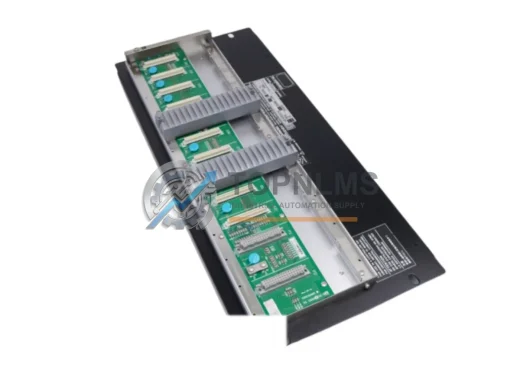
Yokogawa ANB10D-421 original 4-ch 4–20mA analog output module for CENTUM VP & CS 3000. Industrial spare, 12-month warranty, tested before shipment.
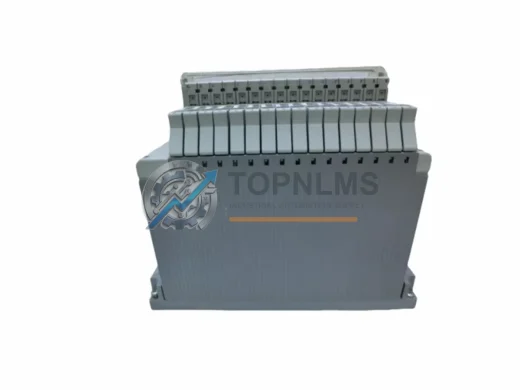
YOKOGAWA AMN21 replacement & upgrade solution for CENTUM CS3000/VP DCS. Compatible wiring, 12-month warranty, fast shipping. Contact: [email protected]
Yokogawa AMM12-S2 original analog input module for CENTUM DCS systems. Tested, 12-month warranty, fast worldwide shipping. Reduce downtime with genuine spares.
Click Quote This Model and the Part Number field will auto-fill with A2EE2A-T S1.