
SABO
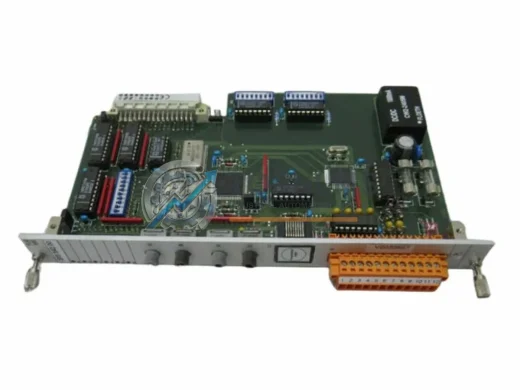
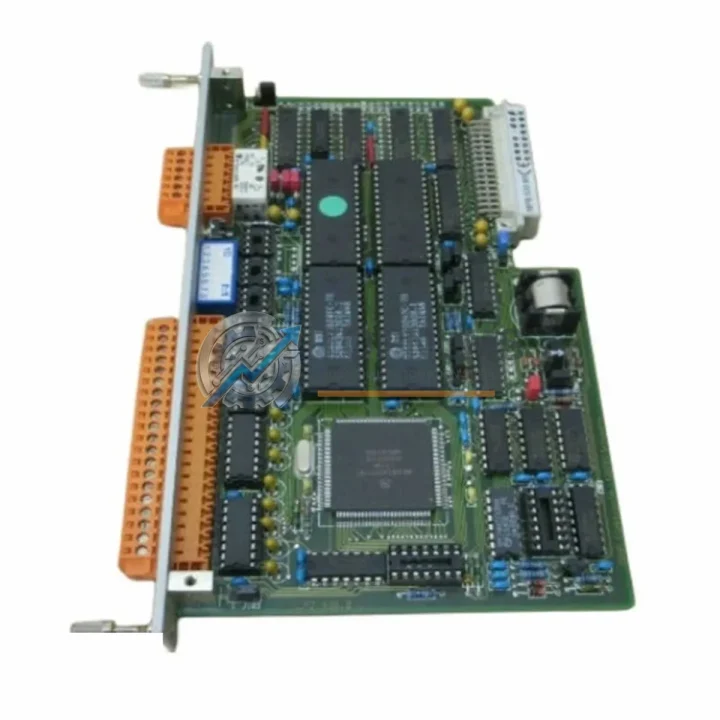
SABO PLM500 SIB.542.00 Ruggedized Serial Interface Module
PLM500 SIB.542.00SABO PLM500 SIB.542.00 ruggedized serial interface board for harsh industrial environments. In stock, tested, 12-month warranty. Fast global shipping from TOPNLMS.
Request availability, condition, lead time and export shipping details for PLM500 MPB.533.00.
Send this exact part number, quantity and destination country. TOPNLMS will confirm availability, condition and export lead time before quotation.
The SABO PLM500 MPB.533.00 is a serial communication board designed for the PLM500 control system platform. As industrial facilities worldwide accelerate the retirement of aging DCS and PLC architectures, this module serves as a critical bridge component — enabling engineers to execute controlled, low-risk migrations from legacy serial-based control networks to modernized automation infrastructure without full system overhauls.
Whether your facility is decommissioning an older SABO PLM500 rack-based controller, replacing a failed communication board mid-production, or consolidating spare parts inventory ahead of a planned shutdown, the PLM500 MPB.533.00 delivers the exact form factor, pinout compatibility, and protocol support required for a seamless drop-in replacement. Our stock is sourced, inspected, and dispatched from Xiamen, China, with full traceability documentation available upon request.
| Parameter | Legacy / Outgoing Module | SABO PLM500 MPB.533.00 (Replacement) |
|---|---|---|
| Module Type | Serial Communication Board (PLM500 Series) | Serial Communication Board — PLM500 MPB.533.00 |
| Communication Protocol | RS-232 / RS-485 / Proprietary SABO Serial Bus | RS-232 / RS-485 / Proprietary SABO Serial Bus (fully compatible) |
| Physical Interface | Standard PLM500 backplane connector | Identical PLM500 backplane connector — no adapter required |
| Rack / Chassis Compatibility | PLM500 series rack | Direct fit — PLM500 series rack, same slot position |
| Power Supply Requirement | 24 VDC via backplane | 24 VDC via backplane (no external power modification needed) |
| Wiring Changes Required | — | None — existing field wiring retained |
| Programming / Configuration | Existing SABO engineering tool configuration | Compatible with existing SABO PLM500 programming environment |
| Installation Space | Standard PLM500 module slot | Identical footprint — no cabinet modification required |
| Replacement Complexity | — | Hot-swap capable (verify with system documentation); typical swap time <30 min |
| Warranty | OEM warranty (typically expired on legacy units) | 12-Month Warranty from TOPNLMS — covers functional defects |
A successful PLM500 MPB.533.00 migration rarely involves a single module swap. In practice, field engineers replacing this serial communication board often encounter adjacent components that require simultaneous attention. During rack inspection, it is common to identify worn PLM500 power supply modules that share the same backplane bus — replacing the communication board while leaving a marginal power module in service introduces unnecessary risk. Similarly, the PLM500 CPU module and associated I/O expansion modules should be evaluated for firmware compatibility before the new MPB.533.00 is commissioned.
For facilities transitioning from older RS-232-based SCADA polling architectures, the addition of a protocol converter or serial-to-Ethernet gateway alongside the MPB.533.00 allows the legacy PLM500 network to interface with modern Modbus TCP or PROFINET supervisory systems — extending the useful life of the existing control cabinet without a full DCS replacement. Engineers working on multi-drop RS-485 networks will also want to verify termination resistor settings and cable shielding continuity, particularly when the PLM500 rack is located at the end of a long field bus run.
In control cabinet retrofit projects, the PLM500 MPB.533.00 is frequently installed alongside updated terminal blocks and signal isolators to eliminate ground loop interference that accumulated over years of operation. Where the original system used older SABO HMI panels for local operator interface, many customers take the opportunity to upgrade to a current-generation touch panel HMI while retaining the PLM500 communication architecture — the MPB.533.00’s serial port compatibility makes this hybrid approach straightforward. Analog I/O modules connected downstream of the communication board should also be confirmed against the new module’s channel addressing map to avoid offset errors during the first live test.
For customers managing multi-site spare parts programs, stocking the PLM500 MPB.533.00 alongside PLM500 series digital input modules, digital output modules, and the corresponding rack chassis ensures that any single-point failure in the communication or I/O layer can be resolved within one maintenance window — minimizing unplanned downtime across the fleet.
Q: Can I replace the MPB.533.00 without modifying existing field wiring?
A: Yes. The PLM500 MPB.533.00 uses the same backplane connector and terminal assignments as the original module. Field wiring connected to downstream I/O modules is unaffected. No rewiring is required at the cabinet level.
Q: Is the PLM500 MPB.533.00 compatible with my existing SABO programming software?
A: The MPB.533.00 is designed for the PLM500 platform and is compatible with the standard SABO PLM500 engineering environment. Existing communication configuration files (baud rate, parity, station address) can be reloaded directly after module replacement without reprogramming from scratch.
Q: What communication protocols does the MPB.533.00 support?
A: The module supports RS-232 and RS-485 serial communication, including the proprietary SABO serial bus protocol used within the PLM500 system. For integration with Modbus RTU master systems or third-party SCADA platforms, the existing serial port configuration is retained.
Q: How much physical space does the replacement module require?
A: The PLM500 MPB.533.00 occupies a standard PLM500 module slot. No additional DIN rail space, cable duct modification, or cabinet door clearance adjustment is needed. The module weight is approximately 150 g, consistent with the original.
Q: What should I check before powering up after installation?
A: Verify backplane seating, confirm the rack power supply output is within specification, check RS-485 termination resistor status, and reload the communication configuration via the SABO engineering tool. Perform a loop test on all serial-connected I/O before returning the system to automatic mode.
Q: Can this module be used as a cross-brand replacement for similar serial communication boards from other manufacturers?
A: The PLM500 MPB.533.00 is a SABO-specific module and is not a universal replacement for other brands. However, for facilities running mixed-brand control architectures, a protocol converter installed between the PLM500 serial bus and the third-party system can bridge the communication gap without replacing the host controller.
Every SABO PLM500 MPB.533.00 unit shipped by TOPNLMS is covered by a 12-month functional warranty from the date of delivery. Prior to dispatch, each module undergoes a pre-shipment inspection that includes visual examination, connector integrity check, and basic power-on functional verification. Units that do not pass inspection are quarantined and not offered for sale.
In the event of a warranty claim, TOPNLMS provides a replacement unit or full refund based on the confirmed defect. Our after-sales response target is within 24 hours of claim submission. Customers are asked to retain original packaging and provide a brief fault description to expedite the process. Warranty coverage applies to functional defects under normal operating conditions and does not cover physical damage caused by incorrect installation, overvoltage, or environmental exposure beyond the module’s rated specifications.
For urgent replacement scenarios — including unplanned shutdowns or production-critical failures — TOPNLMS maintains ready stock of the PLM500 MPB.533.00 and can arrange priority dispatch. Customers with ongoing spare parts programs are encouraged to contact us directly to discuss volume pricing, reserved stock arrangements, and lead time commitments.
All units are shipped with basic documentation. Full test reports and traceability certificates are available upon request for customers with quality management system requirements.
SABO PLM500 SIB.542.00 ruggedized serial interface board for harsh industrial environments. In stock, tested, 12-month warranty. Fast global shipping from TOPNLMS.
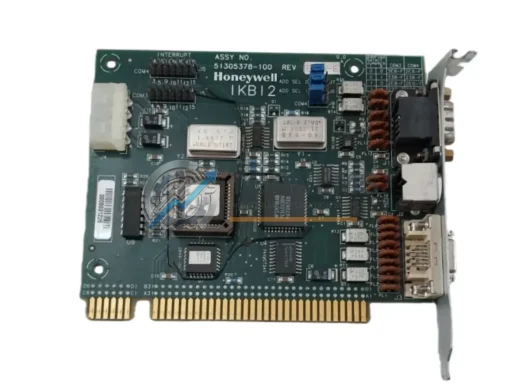
Honeywell 51305378-100 IKBI2 Printer Interface Board replacement for TDC 3000 DCS. Original spare, 12-month warranty, fast global shipping. Upgrade legacy systems now.
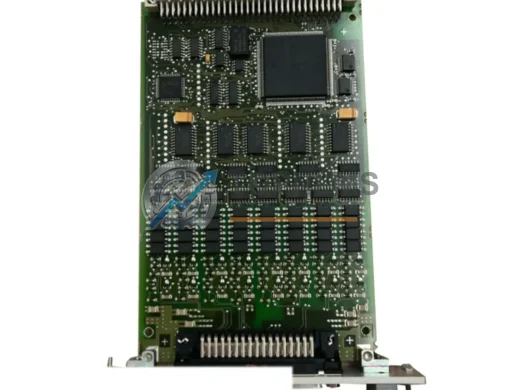
Siemens 6AR1302-0AA00-0AA0 CP51M1 SIMATIC TDC communication processor. Ruggedized for harsh environments. In stock, tested, 12-month warranty. Fast shipping.
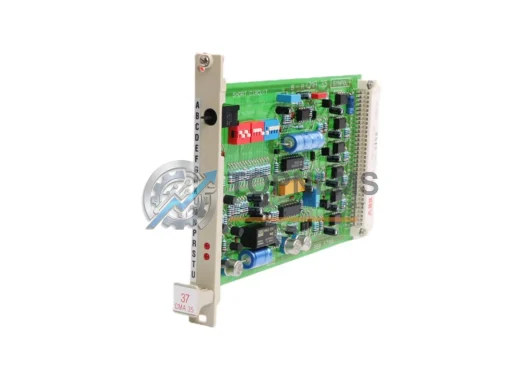
ABB CMA35 GVT3605799 original short circuit protection card for AC500 & ACS drive systems. Industrial replacement spare, tested, 12-month warranty, fast shipping.
Click Quote This Model and the Part Number field will auto-fill with PLM500 MPB.533.00.