
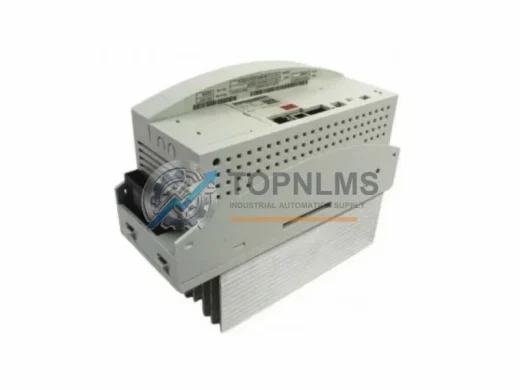
KUKA
KUKA 00-169-213 Replacement for KRC4 Cabinet
00-169-213KUKA 00-169-213 KRC4 Cabinet DC Power Module 27V 40A. Direct replacement & upgrade solution. Compatible wiring, 12-month warranty. Ships from Xiamen.
Request availability, condition, lead time and export shipping details for KPP600-20-00-160-150.
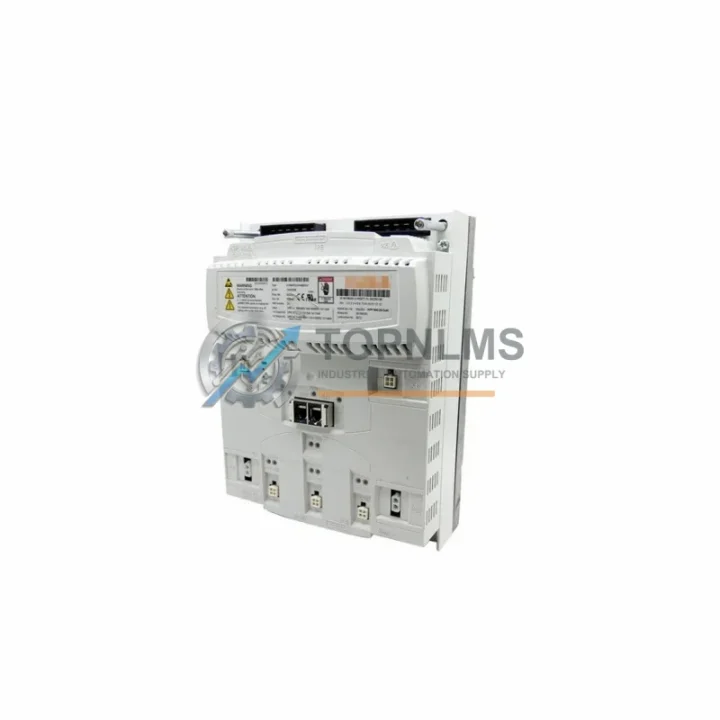
Send this exact part number, quantity and destination country. TOPNLMS will confirm availability, condition and export lead time before quotation.
The KUKA KPP600-20-00-160-150 is an original DC Bus Power Pack Module engineered for the KUKA KR C4 robot controller cabinet. As the central power conditioning unit within the KR C4 drive system, this module supplies and regulates the DC bus voltage that feeds all servo drive axes simultaneously. In high-cycle manufacturing environments — automotive body shops, foundry lines, palletizing cells, and precision assembly stations — the KPP600-20-00-160-150 is a mission-critical component whose failure results in immediate robot shutdown and unplanned downtime. Maintaining a verified spare on the shelf is the single most effective action a maintenance team can take to protect production continuity.
| Part Number / SKU | KPP600-20-00-160-150 |
| Brand / Manufacturer | KUKA Robotics (Germany) |
| Series / Platform | KR C4 Robot Controller |
| Module Type | DC Bus Power Pack (Cabinet Power Pack) |
| Nominal DC Bus Voltage | 600 V DC |
| Rated Output Current | 20 A continuous |
| Peak Output Current | 160 A (0–150 ms) |
| Input Supply | 3-phase AC, 400 V / 480 V ±10%, 50/60 Hz |
| Cooling Method | Forced air (internal fan), cabinet-integrated |
| Mounting | DIN rail / cabinet backplane, KR C4 standard slot |
| Protection Class | IP20 (inside controller cabinet) |
| Operating Temperature | 0 °C to +45 °C ambient |
| Country of Origin | Germany |
| Compatibility | KUKA KR C4, KR C4 compact, KR C4 smallsize-2 |
| Condition | Original / New-surplus / Refurbished (tested) |
| Warranty | 12 Months — covers functional failure under normal operating conditions |
| HS Code | 8537.10 |
Experienced maintenance engineers know that a KR C4 cabinet is an integrated ecosystem: when the KPP600-20-00-160-150 power pack is replaced during a scheduled shutdown, it is best practice to inspect and — where service hours indicate — simultaneously replace or test adjacent components that share the same DC bus and thermal environment.
Begin with the KSP 600-20-00-160-130 servo pack modules (axis drive boards) that draw directly from the DC bus supplied by the KPP. Degraded capacitors in these drives can cause bus voltage ripple that accelerates wear on the power pack itself; replacing both during the same maintenance window eliminates the risk of a secondary failure within weeks of the primary repair. While the cabinet is open, inspect the KR C4 controller main board (CCU — Computer Control Unit) for corrosion on connectors and verify firmware version compatibility with the replacement KPP.
The KR C4 power supply unit (PSU / 24 V logic supply) should be load-tested during the same outage. A marginal 24 V supply that is borderline at the time of the KPP failure may have contributed to the fault; confirming its output under full I/O load takes less than ten minutes and prevents a repeat call-out. Similarly, check the cabinet fan assembly and filter mats — the KPP600-20-00-160-150 is sensitive to elevated ambient temperature inside the enclosure, and a clogged filter mat can raise internal temperature by 8–12 °C, shortening capacitor life significantly.
For multi-robot cells, review the KR C4 RDC (Resolver Digital Converter) cards installed on each manipulator. RDC faults often appear as axis errors that are misdiagnosed as power pack issues; confirming RDC health before condemning the KPP saves unnecessary parts expenditure. The KUKA smartPAD teach pendant cable and connector should also be inspected for insulation damage — a shorted pendant cable can generate bus faults that mimic KPP failure.
At the cabinet wiring level, inspect terminal blocks and bus bar connections for signs of thermal discoloration or micro-arcing, particularly on the DC bus bars that connect the KPP to the KSP modules. Loose connections at these points cause intermittent voltage drops that trigger protective shutdowns and are frequently misattributed to the power pack. If the installation includes an external braking resistor module, verify its resistance value and thermal condition — a failed braking resistor forces regenerative energy back onto the DC bus and can destroy a new KPP within hours of commissioning.
Finally, for facilities running legacy KR C4 cabinets beyond their original design life, consider stocking a KR C4 cabinet door interlock switch and a set of ESD-rated internal ribbon cables as low-cost insurance items. These consumables are rarely budgeted but are disproportionately responsible for nuisance faults that extend repair time during an emergency shutdown.
The KPP600-20-00-160-150 is a direct, plug-and-play replacement for the original module installed in all KR C4 platform variants. No firmware re-flashing or parameter reconfiguration is required when replacing like-for-like; the KR C4 WorkVisual project file remains valid, and robot mastering data is preserved in the CCU — meaning the robot can return to production immediately after the swap without a full re-commissioning cycle.
For facilities that previously operated KUKA KR C2 or KR C3 controllers, the KR C4 platform represents a significant architecture change. The KPP600-20-00-160-150 is not backward-compatible with C2/C3 drive systems, but it is the correct forward-migration component when upgrading aging C2 cabinets to the C4 platform as part of a controller modernization project. This upgrade path extends robot service life by 10–15 years while maintaining the original manipulator arm, delivering substantial capital savings versus full robot replacement.
In multi-robot production lines where several KR C4 cabinets operate in coordinated cells, standardizing on a single KPP spare covers multiple robots simultaneously, reducing the total spare parts inventory value while maintaining full coverage. A single KPP600-20-00-160-150 on the shelf can serve as the emergency spare for an entire cell of 4–8 robots, making it one of the highest-leverage spare parts investments available to a KR C4 fleet operator.
Q1: Is the KPP600-20-00-160-150 compatible with all KR C4 variants?
Yes. The KPP600-20-00-160-150 is compatible with the standard KR C4, KR C4 compact, and KR C4 smallsize-2 controller cabinets. It is not compatible with KR C2, KR C3, or KR C5 platforms. If you are unsure of your cabinet variant, the controller type is printed on the main identification label inside the cabinet door.
Q2: What testing is performed before shipment?
Every unit undergoes functional power-on testing, DC bus output voltage verification, and insulation resistance checks prior to packaging. Test records are retained and available upon request. Units are shipped in anti-static packaging with foam protection to prevent transit damage.
Q3: What does the 12-month warranty cover?
The 12-month warranty covers functional failure of the module under normal operating conditions — correct input voltage, rated load, and ambient temperature within specification. It does not cover damage caused by incorrect installation, overvoltage events, or physical impact. Warranty claims are processed within 5 business days of receipt of the returned unit.
Q4: How should I manage KPP spare inventory for a multi-robot facility?
For facilities with 1–4 KR C4 robots, one spare KPP600-20-00-160-150 is the standard recommendation. For 5–12 robots, two units provide adequate coverage while accounting for the possibility of concurrent failures during high-production periods. For larger fleets or facilities with strict uptime SLAs, a consignment stock arrangement with your supplier ensures next-day availability without tying up capital in on-site inventory.
KUKA 00-169-213 KRC4 Cabinet DC Power Module 27V 40A. Direct replacement & upgrade solution. Compatible wiring, 12-month warranty. Ships from Xiamen.
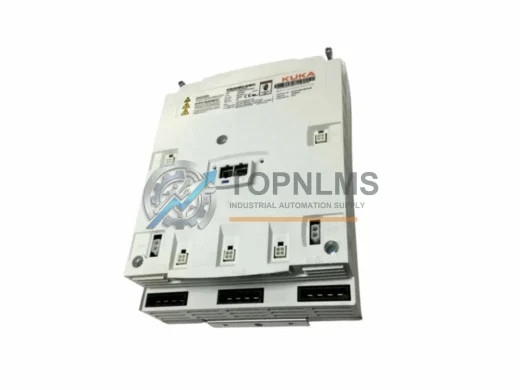
KUKA 600-20ECMAP1D3404BE531 KPP servo drive power module — direct replacement & upgrade solution. Compatible wiring, comms & rack. 12-month warranty. Fast ship.
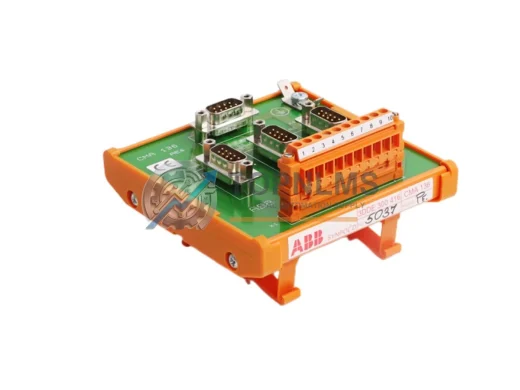
ABB CMA136 3DDE300416 ruggedized relay terminal module for UNITROL excitation systems. Original spare, tested, 12-month warranty, fast global shipping.
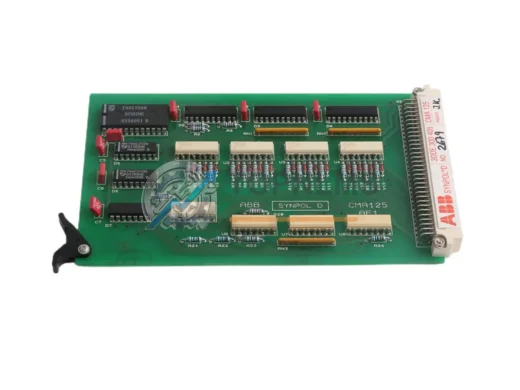
ABB CMA125 3DDE300405 original UNITROL excitation control card. Industrial replacement spare for synchronous generators. 12-month warranty, tested before shipment, fast global delivery.
Click Quote This Model and the Part Number field will auto-fill with KPP600-20-00-160-150.