
ABB
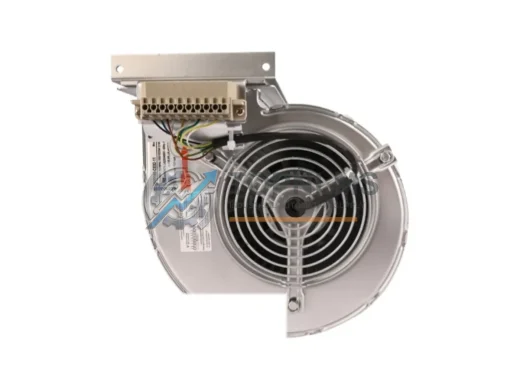
ABB D2D160-CE02-11 Ruggedized AC Centrifugal Fan
D2D160-CE02-11ABB D2D160-CE02-11 ruggedized 160mm AC centrifugal fan for harsh industrial environments. In stock, tested, 12-month warranty. Fast global shipping from TOPNLMS.
Request availability, condition, lead time and export shipping details for ZINT-592.
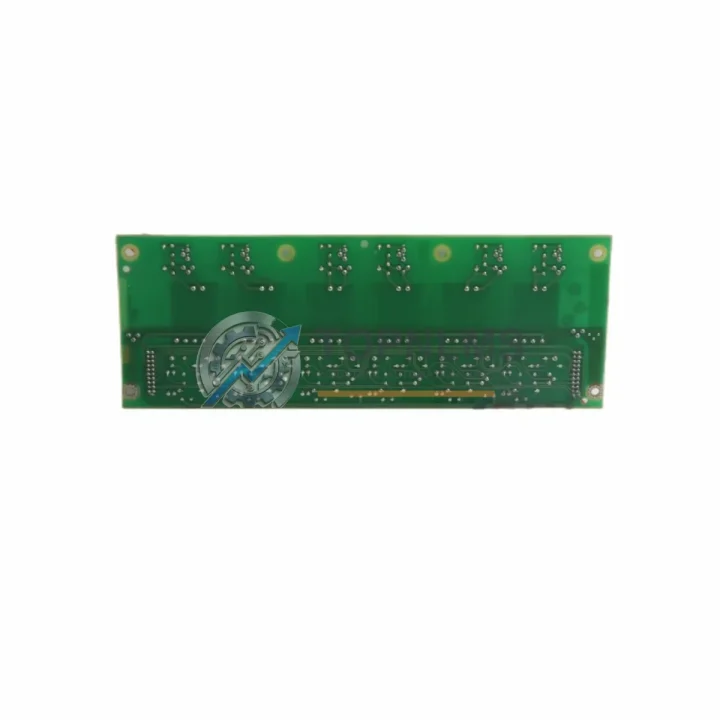
Send this exact part number, quantity and destination country. TOPNLMS will confirm availability, condition and export lead time before quotation.
The ABB ZINT-592 is an original power interface board designed for the ABB ACS800 series variable frequency drives (VFDs). In industrial environments where uptime is non-negotiable, having a verified, genuine spare part on hand is the cornerstone of any effective maintenance strategy. The ZINT-592 serves as the critical bridge between the drive’s control logic and its power conversion stage, managing gate drive signals, DC bus feedback, and fault detection routines that keep your ACS800 drive operating within safe parameters.
Whether you are managing a continuous process line, a conveyor system, a pump station, or a compressor bank, an unexpected ACS800 drive failure caused by a degraded power interface board can result in hours or days of unplanned downtime. Sourcing the ZINT-592 in advance — as part of a structured spare parts inventory — is one of the most cost-effective decisions a maintenance team can make. This board is fully compatible with the ACS800 drive family and is supplied as an original ABB component, tested and verified before dispatch.
| Part Number | ZINT-592 |
| Brand | ABB |
| Compatible Series | ACS800 Variable Frequency Drive Series |
| Function | Power Interface Board — gate drive signal routing, DC bus monitoring, fault relay interface |
| Component Type | VFD Power Interface Board (PCB Assembly) |
| Country of Origin | Germany |
| Weight | Approx. 400 g |
| Application Environment | Industrial control cabinets, VFD enclosures, motor control centers (MCC) |
| Installation | Direct board replacement within ACS800 drive chassis; follow ABB ACS800 hardware manual for torque and ESD precautions |
| Compatibility Verification | Cross-reference drive nameplate and firmware revision before installation |
| Maintenance Recommendation | Inspect annually or upon fault codes related to DC bus, gate drive, or overcurrent protection |
| Condition | Original, new or refurbished-to-spec; tested prior to shipment |
| Warranty | 12 Months |
A power interface board failure in an ACS800 drive rarely occurs in isolation. In most field cases, the root cause involves a cascade of stress factors — DC bus voltage spikes, cooling degradation, or aging capacitors — that affect multiple components simultaneously. A thorough preventive maintenance inspection of the ACS800 drive cabinet should therefore extend beyond the ZINT-592 board itself.
During scheduled downtime or annual drive inspections, maintenance engineers should simultaneously evaluate the ACS800 AINT-02C control board, which handles the primary CPU and communication functions. A degraded AINT board can produce fault codes that mimic power interface failures, leading to misdiagnosis. Alongside this, the APOW-01C power supply module should be checked for output voltage stability, as an under-voltage condition on the 24 VDC rail is a common precursor to ZINT-592 stress failures.
The drive’s AGPS-21C gate driver board works in close coordination with the power interface board and should be inspected for burn marks, cracked solder joints, or discoloration. If the ZINT-592 is being replaced due to an IGBT-related fault, the IGBT module stack itself must be tested before reinstalling a new board — otherwise the replacement board may be damaged immediately upon power-up.
Cooling is equally critical. The ACS800 cooling fan assembly (typically 24 VDC or 230 VAC depending on drive frame size) should be replaced on a 3–5 year cycle regardless of apparent condition. Reduced airflow accelerates thermal aging of all PCB assemblies including the ZINT-592. While the cabinet is open, inspect the DC bus capacitor bank for bulging, leakage, or elevated ESR readings — capacitor degradation is the single most common cause of power interface board overstress in aging ACS800 installations.
For drives integrated into larger control architectures, verify the integrity of the RDCO-02C DDCS fiber optic communication module if the drive is networked via ABB’s DDCS protocol. Communication faults can trigger unnecessary drive trips that are often misattributed to hardware failures. Similarly, inspect all terminal block connections and control wiring within the drive cabinet — loose or corroded terminals on the I/O interface can introduce noise that stresses the power interface board’s signal conditioning circuits.
If the ACS800 is part of a multi-drive system or connected to an ABB AC500 or AC800M PLC, ensure that the fieldbus adapter module (such as RPBA-01 for PROFIBUS or RCAN-01 for CANopen) is seated correctly and that the communication cable shielding is intact. Poor EMC practices in the control cabinet are a frequently overlooked contributor to premature drive board failures.
Finally, document all findings in your CMMS and establish a minimum stock level of one ZINT-592 per site for every ACS800 installation. For facilities operating three or more ACS800 drives, maintaining two units in stock is recommended to cover simultaneous failures during peak production periods.
The ABB ACS800 series has been deployed globally since the late 1990s and remains in active service across thousands of industrial facilities. As ABB transitions its drive portfolio toward the ACS880 platform, sourcing original ACS800 spare parts — particularly boards like the ZINT-592 — is becoming increasingly time-sensitive. Lead times from OEM channels can extend to 8–16 weeks for legacy board assemblies, making proactive procurement essential.
The ZINT-592 offered through TOPNLMS is supplied as an original ABB component, not a third-party clone or reverse-engineered substitute. This distinction matters in regulated industries such as oil and gas, water treatment, and pharmaceutical manufacturing, where component traceability and OEM authenticity are audit requirements. Each unit is inspected and function-tested before shipment, with a 12-month warranty covering defects in materials and workmanship.
For facilities planning a phased migration from ACS800 to ACS880, maintaining a buffer stock of ZINT-592 boards ensures that legacy drives remain operational throughout the transition period without risking production interruptions. This approach — running legacy hardware reliably while capital budgets are allocated for new drive procurement — is the most cost-effective path for most industrial operators.
Replacement of the ZINT-592 is a field-serviceable procedure for qualified drive technicians. The board is accessible after removing the drive’s front cover and disconnecting the DC bus and gate drive connectors. Full replacement typically requires 45–90 minutes including safety lockout/tagout procedures, board swap, and post-installation functional verification. TOPNLMS can provide technical documentation references upon request.
Q1: Is the ZINT-592 compatible with all ACS800 frame sizes?
The ZINT-592 is used across multiple ACS800 frame sizes, but compatibility depends on the specific drive variant and firmware revision. Always cross-reference the drive’s nameplate data and the existing board part number before ordering. Contact our technical team with your drive serial number for confirmation.
Q2: What is the lead time and how is the board tested before shipment?
In-stock units are dispatched within 1–3 business days. Each ZINT-592 undergoes visual inspection and functional testing prior to shipment. A 12-month warranty is included, covering manufacturing defects and component failures under normal operating conditions.
Q3: Can I install the ZINT-592 myself, or do I need an ABB-certified technician?
Board replacement is a field-serviceable task for qualified electrical maintenance personnel familiar with VFD hardware. Strict lockout/tagout and ESD precautions must be followed. If your team is unfamiliar with ACS800 internals, engaging a certified drive service partner is recommended to avoid secondary damage.
Q4: What should I check if the replacement board does not resolve the original fault?
If fault codes persist after ZINT-592 replacement, the most likely causes are a damaged IGBT module, a failing APOW-01C power supply, or a corrupted AINT control board. In some cases, DC bus capacitor degradation can cause recurring power interface faults. A systematic component-by-component diagnostic approach is recommended before further board replacements.
ABB D2D160-CE02-11 ruggedized 160mm AC centrifugal fan for harsh industrial environments. In stock, tested, 12-month warranty. Fast global shipping from TOPNLMS.
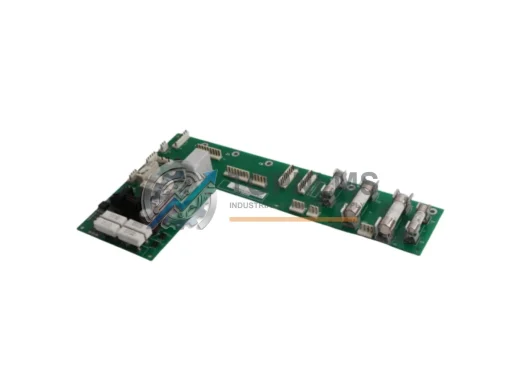
ABB CMRB-11C 3AUA0000054682 ACS800 ruggedized drive control board. Tested, 12-month warranty, fast global shipping. Industrial-grade reliability for harsh environments.
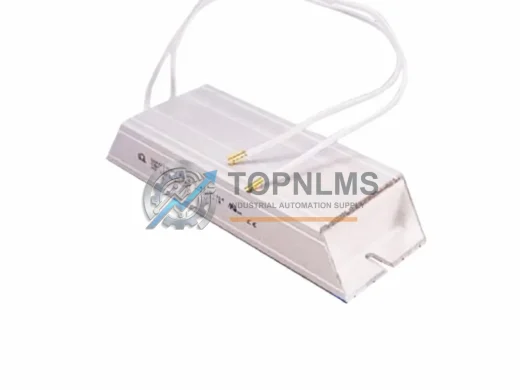
ABB CBHX165C 5R 414 original DC bus pre-charge resistor for ACS800 drives. Tested, 12-month warranty, fast worldwide shipping. Industrial replacement spare.
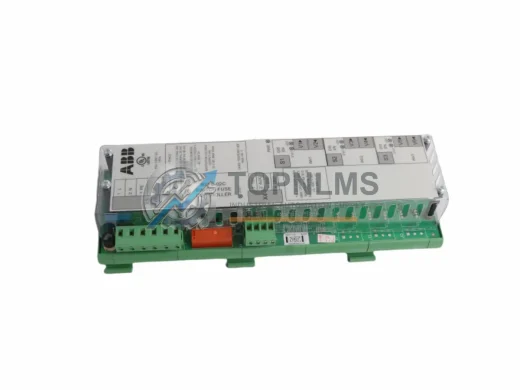
ABB BSFC-02C (3AXD50000011461) brake sequence control panel for ACS880 drives. Drop-in replacement, wiring-compatible, 12-month warranty. Ships from stock.
Click Quote This Model and the Part Number field will auto-fill with ZINT-592.