
Yokogawa
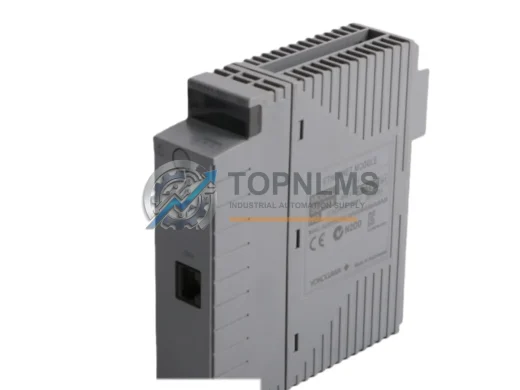
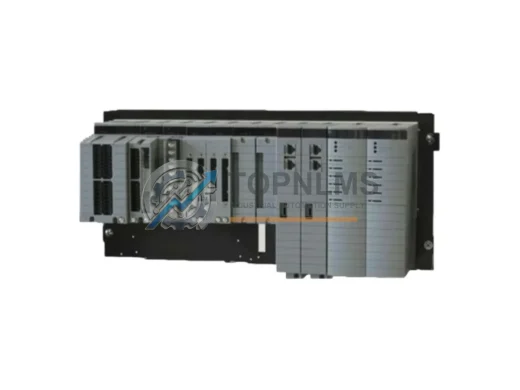
Yokogawa ALE111-S51 Replacement for CENTUM VP Series
ALE111-S51Drop-in ALE111-S51 replacement for Yokogawa CENTUM VP. Compatible upgrade, Ethernet communication, 12-month warranty. Ready to ship from stock.
Request availability, condition, lead time and export shipping details for SB401-11.
Send this exact part number, quantity and destination country. TOPNLMS will confirm availability, condition and export lead time before quotation.
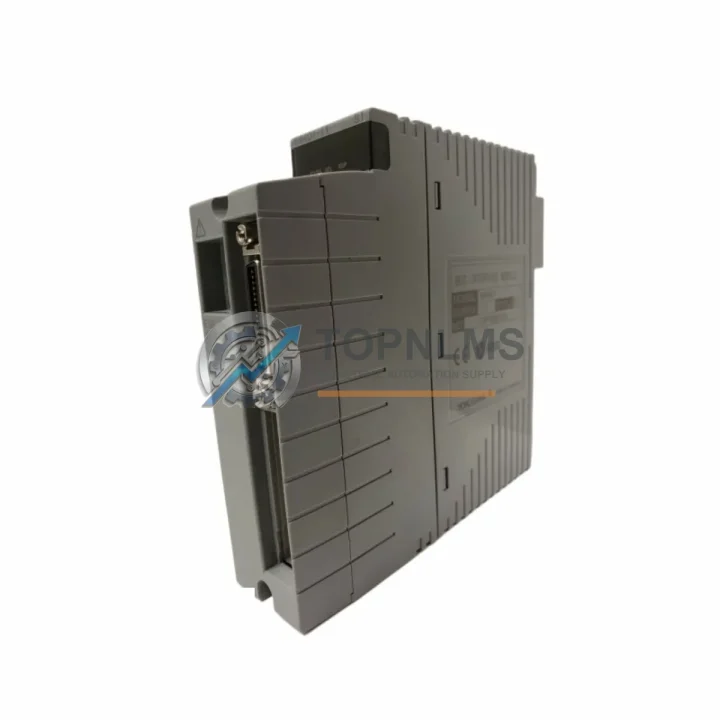
The YOKOGAWA SB401-11 is an original bus interface module engineered for the CENTUM VP and CS 3000 distributed control systems — two of the most widely deployed DCS platforms in process industries including oil & gas, petrochemical, power generation, and pharmaceutical manufacturing. As a critical communication bridge between the field control station (FCS) and the V-net/ER bus backbone, the SB401-11 directly governs real-time data exchange across the entire control loop. Any degradation or failure of this module can cascade into process instability, unplanned shutdowns, and costly production losses.
Stocking an original YOKOGAWA SB401-11 as a verified spare is one of the most effective strategies for protecting system uptime. Unlike generic or refurbished alternatives, an original module ensures full firmware compatibility, deterministic bus timing, and seamless integration with existing CENTUM VP engineering workstations and HIS (Human Interface Stations) without requiring reconfiguration or re-engineering.
| Parameter | Specification |
|---|---|
| Model / SKU | SB401-11 |
| Manufacturer | YOKOGAWA Electric Corporation |
| Compatible Systems | CENTUM VP, CENTUM CS 3000 |
| Module Function | DCS V-net/ER Bus Interface Module |
| Communication Bus | V-net/ER (Vnet/IP compatible architecture) |
| Installation Type | DIN-rail / FCS node card slot |
| Power Supply | Supplied via FCS backplane (internal bus) |
| Operating Temperature | 0°C to 55°C |
| Storage Temperature | -25°C to 70°C |
| Humidity | 5% to 95% RH (non-condensing) |
| Country of Origin | Japan |
| Weight | Approx. 200 g |
| Condition | Original, New / Tested Surplus |
| Pre-shipment Testing | Functional verification performed before dispatch |
| Warranty | 12 Months from date of shipment |
In a CENTUM VP or CS 3000 installation, the SB401-11 does not operate in isolation. It is one node in a tightly integrated control architecture, and a comprehensive preventive maintenance program must account for the interdependencies between modules sharing the same FCS chassis and V-net segment.
During scheduled plant shutdowns or annual turnarounds, maintenance teams should treat the SB401-11 replacement as part of a broader FCS node inspection. While the bus interface module is being serviced or swapped, it is best practice to simultaneously inspect the YOKOGAWA CP451-10 or CP461-50 FCS processor module for firmware version alignment and thermal wear indicators. The processor and bus interface module share the same backplane power rail, meaning a degraded processor can produce intermittent bus errors that are often misdiagnosed as SB401-11 faults.
The YOKOGAWA PW481 or PW482 power supply module should also be verified during the same maintenance window. Voltage ripple or supply instability at the FCS level is a leading cause of premature bus interface module failure. Pairing a fresh SB401-11 with an aging power supply module is a common maintenance oversight that leads to repeat failures within 12–18 months.
For plants running redundant FCS configurations, the SB401-11 redundancy pair should be replaced as a matched set whenever one unit shows fault indicators. Running a new module alongside an aged counterpart introduces timing asymmetry on the V-net bus and can trigger unnecessary switchovers during normal operation.
I/O module integrity is equally important. The YOKOGAWA AAI141-S00 analog input module and AAI543-H00 analog I/O module connected downstream of the FCS should be inspected for channel drift and terminal block corrosion, particularly in high-humidity or coastal environments. Corroded terminal blocks on I/O modules can introduce ground loops that manifest as bus communication errors, leading maintenance teams to incorrectly suspect the SB401-11.
Communication infrastructure should not be overlooked. The YOKOGAWA EB401-1 Vnet/IP communication module and associated ESB401 bus coupler are upstream dependencies of the SB401-11 in many plant topologies. Verifying fiber optic connector cleanliness and cable integrity on the V-net segment before replacing the bus interface module can save significant diagnostic time.
Finally, for facilities managing legacy CS 3000 systems alongside newer CENTUM VP expansions, maintaining a small buffer stock of YOKOGAWA RIO (Remote I/O) node modules and SCP401 sequence control processor modules alongside the SB401-11 provides a complete first-response spare kit for FCS-level incidents — enabling maintenance teams to restore control within a single shift rather than waiting days for emergency procurement.
The SB401-11 is a long-lifecycle module, but YOKOGAWA’s hardware support timelines for CS 3000 components are finite. Plants still operating CS 3000 systems should treat the SB401-11 as a strategic procurement priority rather than a reactive purchase. As YOKOGAWA transitions customers toward CENTUM VP R6 and Vnet/IP architectures, original SB401-11 modules sourced from verified distributors represent the most cost-effective path to extending the operational life of existing FCS nodes without undertaking a full system migration.
For facilities that have already migrated to CENTUM VP, the SB401-11 remains fully compatible with current VP FCS hardware, ensuring that spare inventory purchased today retains its value across both legacy and current-generation installations. This cross-generation compatibility is a key procurement advantage — a single spare pool can serve multiple plant units regardless of their DCS generation.
Replacing an SB401-11 in the field requires no special tools beyond standard ESD precautions and a module extraction handle. Hot-swap capability (where supported by the FCS configuration) allows replacement without a full FCS shutdown, dramatically reducing mean time to repair (MTTR) and minimizing production impact. Maintenance engineers should verify hot-swap eligibility in the FCS engineering parameters before attempting live replacement.
For plants managing multi-site DCS fleets, centralizing SB401-11 inventory at a regional maintenance hub — rather than distributing single units across sites — reduces total spare investment while maintaining rapid deployment capability. A single hub stock of 2–3 units can serve 5–8 plant sites within a 4-hour logistics radius, which is well within the acceptable response window for most process industry maintenance SLAs.
Q1: Is the SB401-11 compatible with both CENTUM VP and CS 3000 systems?
Yes. The SB401-11 is designed for use across CENTUM VP and CS 3000 FCS platforms. It interfaces with the V-net/ER bus architecture common to both generations. Always verify the specific FCS node type and slot assignment against your system engineering documentation before installation.
Q2: What pre-shipment testing is performed on the SB401-11?
Each unit undergoes functional verification prior to dispatch, including power-on self-test validation and bus communication checks where test bench infrastructure permits. Units are shipped in anti-static packaging with individual inspection records. A 12-month warranty from the date of shipment covers manufacturing defects and functional failures under normal operating conditions.
Q3: How should I validate SB401-11 compatibility before installation?
Cross-reference the module part number against your FCS engineering drawings and YOKOGAWA system configuration files. Confirm the firmware revision level is compatible with your FCS processor version. If your plant uses a redundant FCS configuration, ensure both primary and secondary slots are updated simultaneously to avoid version mismatch faults.
Q4: What is the recommended spare inventory strategy for the SB401-11?
For single-train critical processes, maintain a minimum of one SB401-11 on-site at all times. For multi-train or multi-unit facilities, a ratio of one spare per four installed units is a common industry benchmark. Given the strategic importance of the bus interface module to FCS availability, procurement lead times from standard distribution channels can range from 2–8 weeks — making on-hand inventory essential for unplanned failure scenarios.
Drop-in ALE111-S51 replacement for Yokogawa CENTUM VP. Compatible upgrade, Ethernet communication, 12-month warranty. Ready to ship from stock.
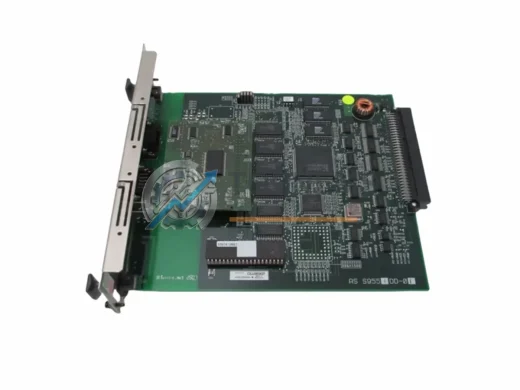
YOKOGAWA ACP71 S1 original DCS communication module for CENTUM VP systems. Industrial replacement spare, 12-month warranty, tested before shipment.
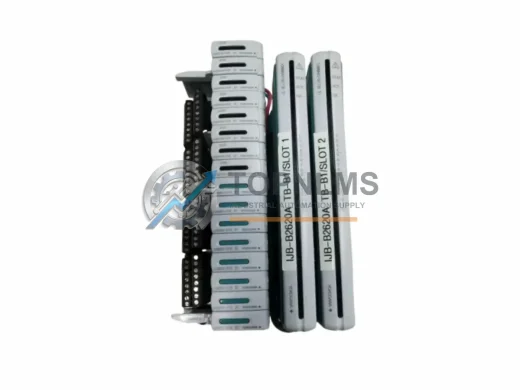
Yokogawa A2MMM843 original CENTUM VP DCS communication module. Industrial spare for I/O & bus systems. 12-month warranty. Fast global shipping.
YOKOGAWA YCB149 ruggedized V-net converter connector for CENTUM DCS. In stock, tested, 12-month warranty. Fast shipping. Contact: [email protected]
Click Quote This Model and the Part Number field will auto-fill with SB401-11.