
Yokogawa
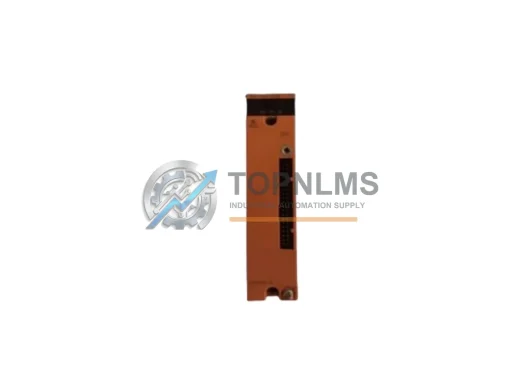
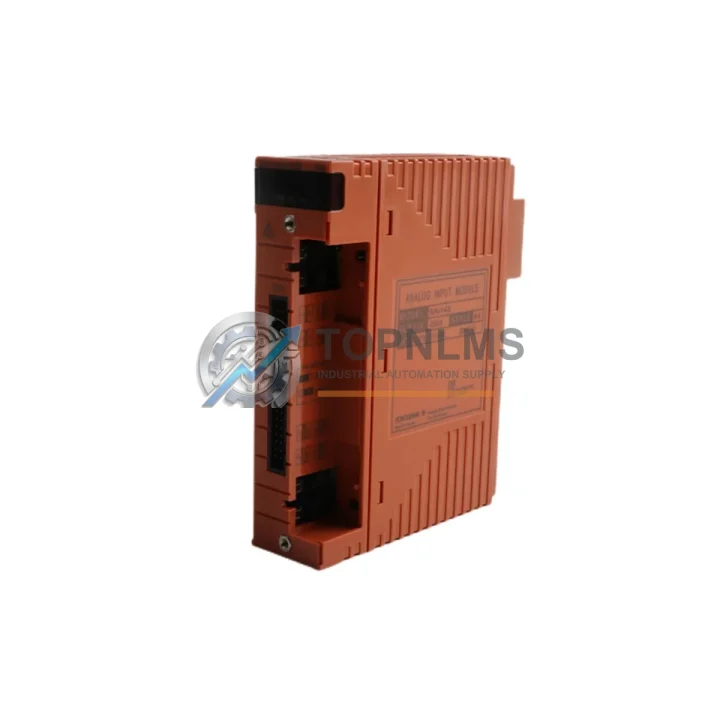
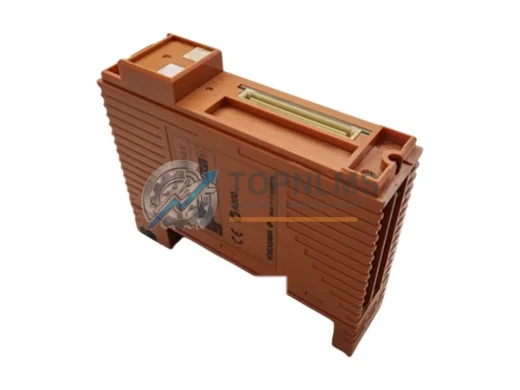
YOKOGAWA SAI143-S03 Original Industrial Spare CENTUM VP Compatible
SAI143-S03YOKOGAWA SAI143-S03 original analog input module for CENTUM VP DCS. Verified spare, 12-month warranty, fast worldwide shipping. Reduce downtime now.
Request availability, condition, lead time and export shipping details for SAI143-S53.
Send this exact part number, quantity and destination country. TOPNLMS will confirm availability, condition and export lead time before quotation.
The YOKOGAWA SAI143-S53 is a high-density analog input module designed for the CENTUM VP distributed control system platform. As process plants worldwide face the challenge of aging DCS infrastructure, the SAI143-S53 has become one of the most sought-after replacement and upgrade components for facilities transitioning away from end-of-life CENTUM CS 3000 and early CENTUM VP configurations. Whether your existing analog input cards are showing calibration drift, communication faults, or have simply reached their service life, the SAI143-S53 offers a validated, drop-in upgrade path that minimizes engineering rework and plant downtime.
This module supports 16-channel analog input with HART communication pass-through, making it fully compatible with smart field instruments already wired into your marshalling cabinets. The SAI143-S53 accepts 4–20 mA signals and integrates directly into the CENTUM VP field control station (FCS) chassis without requiring new terminal block assemblies or rewiring of existing cable trays. For plants running legacy SAI143 or SAI133 modules, the physical form factor and connector pinout are retained, allowing technicians to perform hot-swap replacements during scheduled maintenance windows rather than full shutdowns.
Migration projects from older CENTUM CS 3000 systems frequently involve replacing the entire I/O subsystem. In these scenarios, the SAI143-S53 is typically deployed alongside the AFV10D field control unit, which serves as the new FCS backbone. Engineers will also need to account for the ESB bus coupler (ESB10D or ESB11D) that bridges the I/O modules to the control network, as well as the RIO node units that extend the I/O reach across large process units. The SAI143-S53 slots directly into the standard CENTUM VP I/O nest, sharing the same 24 VDC power rail supplied by the PW481 or PW482 power supply modules already installed in most VP cabinets.
From a wiring compatibility standpoint, the SAI143-S53 uses the same terminal block interface as its predecessors, meaning existing multi-pair cables from the field junction boxes can be reconnected without modification. This is a critical advantage in brownfield retrofit projects where re-cabling would require extensive hot-work permits and extended outages. The module’s built-in HART multiplexer allows asset management software such as YOKOGAWA’s PRM (Plant Resource Manager) to continue polling field device diagnostics without any changes to the HART gateway configuration.
On the software side, migration from a CS 3000 function block library to CENTUM VP is supported through YOKOGAWA’s engineering tools. The SAI143-S53 is recognized natively by the CENTUM VP builder, and existing AI function blocks mapped to legacy SAI133 or SAI143 addresses can be remapped with minimal effort. No custom driver development is required. For sites using Exaopc OPC server for historian integration, the tag database remains intact after module substitution, preserving years of process data continuity.
Control cabinet space is another common constraint in retrofit projects. The SAI143-S53 occupies a single slot in the standard CENTUM VP I/O nest, identical to the modules it replaces. This means no additional DIN rail space, no new cable management, and no modifications to existing cabinet door clearances. For facilities upgrading from third-party DCS platforms such as Honeywell TDC 3000 or ABB Advant, custom I/O adapter panels may be required, but the SAI143-S53’s standard terminal interface simplifies the mechanical integration significantly.
Communication protocol compatibility is fully maintained. The SAI143-S53 operates on the CENTUM VP’s proprietary Vnet/IP control network, which provides deterministic, high-speed communication between the FCS and the HIS (Human Interface Station). No protocol converters or gateways are needed when replacing like-for-like within the CENTUM VP architecture. For hybrid systems where a Modbus RTU or PROFIBUS DP segment feeds into the DCS, the existing communication modules such as the ALR111 or ACM12 can remain in service without reconfiguration.
Procurement and logistics considerations are equally important for maintenance planners. TOPNLMS maintains verified stock of the SAI143-S53 with full factory test documentation. Each unit undergoes pre-shipment functional verification against YOKOGAWA’s published acceptance criteria, and ships with a 12-month replacement warranty covering manufacturing defects and functional failures under normal operating conditions. Standard lead time from order confirmation to dispatch is 1–3 business days for in-stock units, with DHL Express and FedEx International Priority options available for urgent plant requirements. Export documentation including commercial invoice, packing list, and certificate of origin is prepared for all international shipments.
| Parameter | Legacy: SAI143 / SAI133 | Replacement: SAI143-S53 |
|---|---|---|
| Platform | CENTUM CS 3000 / Early CENTUM VP | CENTUM VP (all revisions) |
| Analog Input Channels | 16 CH (4–20 mA) | 16 CH (4–20 mA) |
| HART Communication | Partial / Not supported (SAI133) | Full HART pass-through, all 16 CH |
| Terminal Block Interface | Standard CENTUM I/O connector | Identical – no rewiring required |
| Power Supply Compatibility | 24 VDC via PW481/PW482 | 24 VDC via PW481/PW482 – direct fit |
| I/O Nest Slot | Single slot, standard VP nest | Single slot – same physical footprint |
| Control Network | Vnet/IP | Vnet/IP – no gateway required |
| Engineering Tool Support | CENTUM VP Builder (legacy mapping) | Native recognition, no custom driver |
| OPC Historian Compatibility | Exaopc (tag remapping needed) | Exaopc – tag database preserved |
| Replacement Recommendation | Direct drop-in replacement; no cabinet modification required | |
| Warranty | — | 12-Month Replacement Warranty |
A successful CENTUM VP analog input migration rarely involves a single module in isolation. In practice, the SAI143-S53 is deployed as part of a broader I/O refresh that may include the SAT145 thermocouple input module for temperature measurement loops, the SDV144 digital output module for valve and actuator control, and the SAI533 high-speed analog input card for fast-response process variables. Power continuity during the upgrade is maintained by the PW482 redundant power supply module, which feeds the I/O nest without interruption during card swaps.
For sites extending their CENTUM VP system to remote process areas, the RIO node unit (RIO10D or RIO11D) provides the physical extension of the ESB bus, allowing SAI143-S53 modules to be installed in satellite cabinets up to 750 meters from the FCS. Communication integrity across this extended architecture is managed by the ESB11D bus coupler, which handles signal conditioning and redundancy switching automatically.
Where legacy PROFIBUS DP field devices remain in service alongside the new CENTUM VP I/O, the ACM12 communication module bridges the two networks without requiring changes to the field instrument configuration. Similarly, for plants retaining Modbus RTU segments from older PLCs or motor control centers, the ALR111 serial communication module provides transparent protocol conversion within the CENTUM VP framework. HMI continuity is preserved through the CENTUM VP HIS workstation, which requires only a tag database refresh rather than a full screen rebuild when the underlying I/O modules are updated.
Q: Can the SAI143-S53 replace an SAI133 without rewiring?
A: Yes. The terminal block connector and I/O nest slot dimensions are identical. Existing field cables can be reconnected directly. The primary difference is the addition of full HART pass-through on the SAI143-S53, which the SAI133 does not support. No wiring modification is required to enable this feature — it activates automatically once the module is recognized by the CENTUM VP FCS.
Q: Does the SAI143-S53 require a firmware update on the FCS?
A: The SAI143-S53 is supported from CENTUM VP R5.03 onwards. Sites running earlier revisions should consult YOKOGAWA’s compatibility matrix before deployment. In most cases, an FCS software patch rather than a full upgrade is sufficient to enable recognition of the S53 hardware revision.
Q: How is the module commissioned after installation?
A: After physical installation, the CENTUM VP builder is used to assign the module to its I/O nest address. Existing AI function block assignments are remapped to the new module address. A loop check against each of the 16 channels confirms signal integrity before the module is placed in service. Total commissioning time for an experienced CENTUM VP engineer is typically 2–4 hours per module.
Q: Is the SAI143-S53 compatible with third-party DCS migration projects?
A: The SAI143-S53 is a CENTUM VP-native module and requires a CENTUM VP FCS host. For migrations from Honeywell, ABB, or Siemens DCS platforms, the module can be integrated into a new CENTUM VP system installed in parallel with the legacy system during the transition period, allowing phased cutover of process loops without full plant shutdown.
Q: What physical space is required in the control cabinet?
A: The SAI143-S53 occupies one slot in the standard CENTUM VP I/O nest. No additional DIN rail space, cable duct modification, or door clearance adjustment is required. The module’s depth and weight are within the standard VP nest mechanical specification.
Every SAI143-S53 unit supplied by TOPNLMS is covered by a 12-month replacement warranty from the date of shipment. Pre-shipment testing includes power-on functional verification, channel-by-channel signal integrity check, and HART communication validation. Units that fail any test criterion are quarantined and not dispatched.
In the event of a warranty claim, TOPNLMS provides a replacement unit dispatch within 3 business days of fault confirmation, with return freight covered for verified manufacturing defects. Our after-sales team responds to technical inquiries within 24 hours on business days. All warranty claims are processed directly — no third-party service center involvement.
For procurement teams requiring documentation, we provide a commercial invoice, packing list, certificate of origin, and test report with every shipment. Bulk orders for plant-wide I/O refresh projects are supported with staged delivery schedules aligned to your maintenance window calendar.
YOKOGAWA SAI143-S03 original analog input module for CENTUM VP DCS. Verified spare, 12-month warranty, fast worldwide shipping. Reduce downtime now.
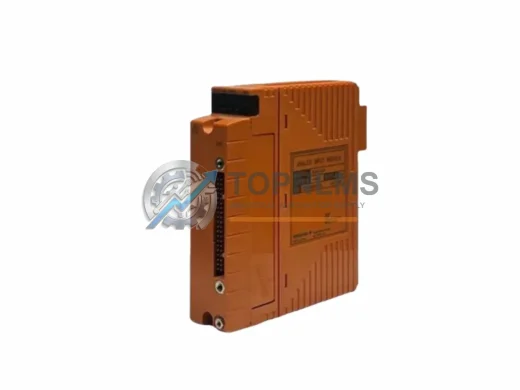
Yokogawa SAI143-H63/PRP S4: 16-ch isolated analog input module for CENTUM VP DCS. Harsh-environment rated, 12-month warranty. In stock — fast global shipping.
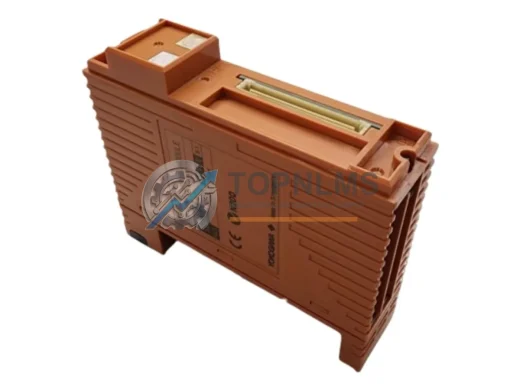
YOKOGAWA SAI143-HE3 ruggedized analog input module for CENTUM VP DCS. In stock, tested, 12-month warranty. Fast shipping. Contact: [email protected]
Yokogawa SAI143-H53-S3 original 16-ch analog input module for CENTUM VP DCS. S3 series industrial spare, 12-month warranty, fast worldwide shipping.
Click Quote This Model and the Part Number field will auto-fill with SAI143-S53.