
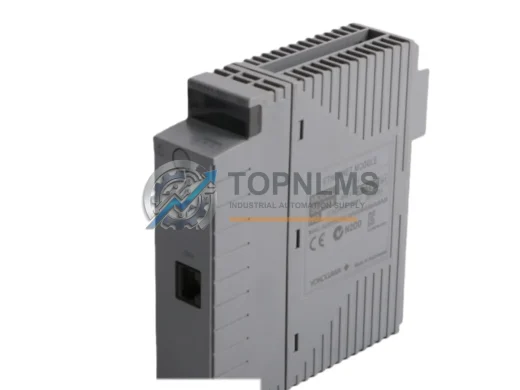
Yokogawa
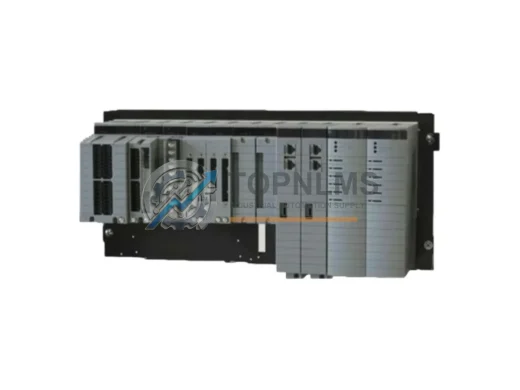
Yokogawa ALE111-S51 Replacement for CENTUM VP Series
ALE111-S51Drop-in ALE111-S51 replacement for Yokogawa CENTUM VP. Compatible upgrade, Ethernet communication, 12-month warranty. Ready to ship from stock.
Request availability, condition, lead time and export shipping details for NFSB100-S50.
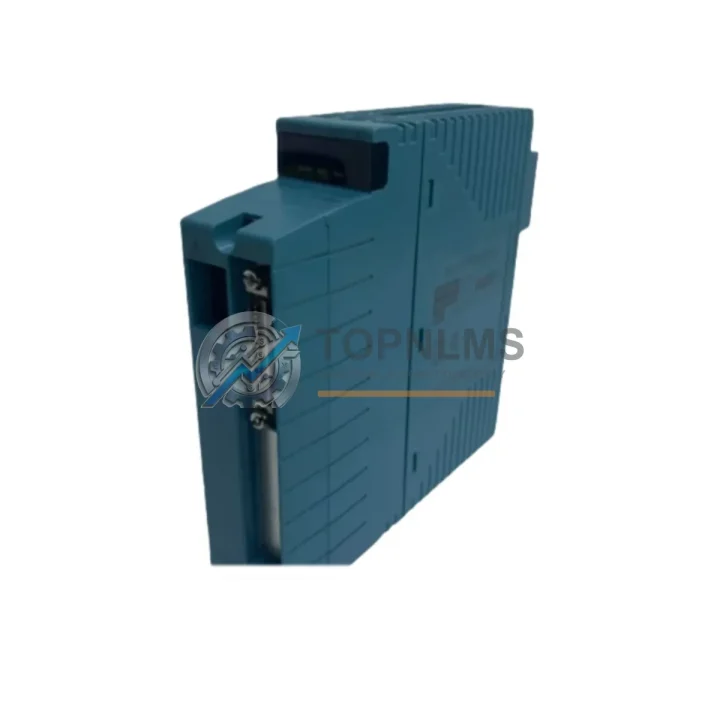
Send this exact part number, quantity and destination country. TOPNLMS will confirm availability, condition and export lead time before quotation.
The YOKOGAWA NFSB100-S50 is a genuine Foundation Fieldbus (FF) communication module designed for the STARDOM FCN and FCJ autonomous controllers — Yokogawa’s compact, open-architecture process automation platform widely deployed in oil & gas, chemical, water treatment, and utility industries. Maintaining a reliable stock of the NFSB100-S50 is a critical element of any preventive maintenance program for facilities running STARDOM-based control loops, as fieldbus communication failures can cascade into full process shutdowns with significant operational and safety consequences.
The NFSB100-S50 provides the physical and protocol-layer interface between the FCN/FCJ controller and Foundation Fieldbus H1 field devices — including smart transmitters, positioners, flow meters, and valve controllers. Its role in the control architecture is foundational: without a functioning FF communication module, the controller loses visibility and command authority over all connected field instruments on that segment. Keeping a tested, ready-to-deploy spare on the shelf is the single most effective way to minimize mean time to repair (MTTR) when this module fails in service.
| Parameter | Specification |
|---|---|
| Model | NFSB100-S50 |
| Brand | YOKOGAWA |
| Series | STARDOM FCN / FCJ |
| Module Type | Foundation Fieldbus (FF-H1) Communication Module |
| Compatible Controllers | FCN-100, FCN-500, FCJ |
| Fieldbus Standard | Foundation Fieldbus H1 (31.25 kbps) |
| Number of FF Segments | Up to 2 segments per module (model-dependent) |
| Power Supply | Supplied via FCN/FCJ backplane (internal bus) |
| Operating Temperature | 0°C to 55°C |
| Storage Temperature | -25°C to 70°C |
| Humidity | 5% to 95% RH (non-condensing) |
| Mounting | FCN/FCJ module slot (hot-swap capable) |
| Origin | Japan |
| Weight | 600 g |
| Warranty | 12 Months — covers manufacturing defects, functional failure, and DOA replacement |
| Condition | Original / Genuine — tested before shipment |
A structured preventive maintenance program for STARDOM FCN/FCJ systems should treat the NFSB100-S50 not as a reactive spare but as a scheduled inspection and replacement item. During planned shutdowns or annual control system audits, technicians should simultaneously inspect the FCN-100 or FCN-500 CPU module for firmware currency and hardware wear, as CPU and communication module degradation often occur in parallel under continuous industrial duty cycles.
The FF H1 segment connected to the NFSB100-S50 relies on stable bus power. Inspecting and, where necessary, replacing the FF segment power conditioner and associated bus terminators during the same maintenance window prevents nuisance faults that are frequently misdiagnosed as module failures. Similarly, the FCN/FCJ power supply module should be load-tested and its capacitors evaluated — a sagging backplane voltage is a common root cause of intermittent fieldbus communication errors that appear to originate in the NFSB100-S50 itself.
Field wiring integrity is equally important. The FF H1 trunk cable, junction boxes, and field barriers connecting smart instruments such as Yokogawa EJX series pressure transmitters or YVP valve positioners should be inspected for insulation degradation, moisture ingress, and termination resistance. A high-resistance connection anywhere on the segment will degrade signal quality and shorten the service life of the NFSB100-S50. Pairing a module replacement with a full segment impedance check is best practice.
For facilities managing multiple FCN/FCJ nodes, the STARDOM FCN I/O modules — including analog input modules and digital output modules installed in the same chassis — should be part of the same inspection cycle. Shared backplane faults can affect all modules simultaneously, and identifying a failing I/O module during a communication module replacement prevents a second unplanned outage weeks later.
Where the FCN/FCJ system interfaces with a supervisory SCADA or DCS layer via Modbus TCP or OPC, the Ethernet communication module installed alongside the NFSB100-S50 should also be verified for firmware version compatibility and port integrity. Maintaining a spare Ethernet module in inventory alongside the NFSB100-S50 ensures that a single-module failure does not take down both the fieldbus and supervisory communication paths simultaneously.
Finally, for sites running legacy STARDOM configurations with older FCJ compact controllers, it is advisable to maintain a complete FCJ module set — including the NFSB100-S50, the CPU module, and the power supply — as a matched spare kit. This approach eliminates compatibility uncertainty during emergency replacements and reduces the diagnostic time required to isolate a fault to a specific module.
The NFSB100-S50 is a long-lifecycle industrial component, but like all electronics operating in harsh process environments, it is subject to wear from thermal cycling, vibration, and electrical transients. When the module reaches end of service life — typically indicated by increasing FF communication errors, segment dropouts, or diagnostic alarms in the STARDOM engineering tool — direct replacement with a genuine NFSB100-S50 is the lowest-risk path to restoring system integrity.
Because the NFSB100-S50 is a slot-in module for the FCN/FCJ backplane, physical replacement requires no rewiring of field devices. The FF H1 segment connections terminate at the module’s field terminals, and the replacement module inherits the same segment configuration from the controller’s project database. This means a trained technician can complete a hot-swap replacement — where the controller architecture supports it — or a cold-swap during a brief planned outage, with full segment restoration typically achieved within one to two hours.
For facilities that have been operating STARDOM systems for more than ten years, it is worth evaluating whether the FCN/FCJ chassis and backplane themselves require replacement. A degraded backplane can cause repeated NFSB100-S50 failures even when the modules themselves are new. In such cases, sourcing a replacement FCN chassis alongside the NFSB100-S50 is the correct long-term strategy, and TOPNLMS maintains inventory of both to support complete system refurbishment projects.
Stocking the NFSB100-S50 as a strategic spare also supports multi-site maintenance programs. Facilities operating multiple STARDOM nodes across a plant — or across multiple plant locations — benefit from centralized spare inventory that can be dispatched to any site within hours, rather than waiting weeks for a factory order. This approach is particularly valuable for remote or offshore installations where logistics lead times are extended.
Q1: How do I verify that the NFSB100-S50 is compatible with my specific FCN or FCJ controller version?
The NFSB100-S50 is designed for the STARDOM FCN-100, FCN-500, and FCJ controller families. Compatibility is determined by the controller’s hardware revision and firmware version. Contact TOPNLMS with your controller’s nameplate information and current firmware version, and our technical team will confirm compatibility before shipment.
Q2: What does the 12-month warranty cover, and what is the replacement process?
The 12-month warranty covers manufacturing defects, functional failure under normal operating conditions, and dead-on-arrival (DOA) units. Each NFSB100-S50 is functionally tested before shipment. In the event of a warranty claim, TOPNLMS provides a replacement unit or full refund within the warranty period. Contact [email protected] with your order number and a description of the fault.
Q3: Can I replace the NFSB100-S50 without taking the entire FCN/FCJ system offline?
Hot-swap capability depends on the specific FCN/FCJ hardware revision and the controller’s redundancy configuration. In redundant controller configurations, the NFSB100-S50 on the standby controller can typically be replaced without interrupting process control. For simplex configurations, a brief planned outage is required. TOPNLMS recommends consulting the STARDOM FCN/FCJ hardware manual for your specific revision before attempting a hot-swap replacement.
Q4: How should I store the NFSB100-S50 as a long-term spare?
Store the module in its original anti-static packaging in a clean, dry environment at temperatures between -25°C and 70°C with relative humidity below 75% non-condensing. Avoid storage near strong electromagnetic fields or corrosive atmospheres. TOPNLMS ships all modules in ESD-safe packaging with desiccant to ensure safe transit and long-term storage integrity.
Drop-in ALE111-S51 replacement for Yokogawa CENTUM VP. Compatible upgrade, Ethernet communication, 12-month warranty. Ready to ship from stock.
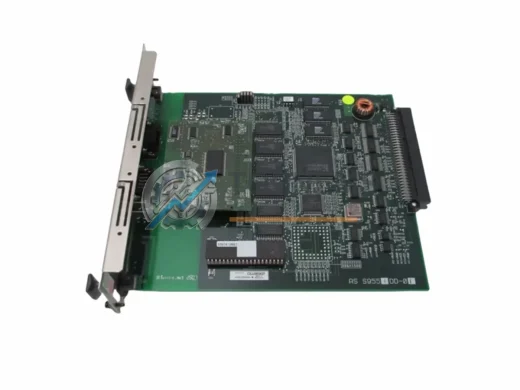
YOKOGAWA ACP71 S1 original DCS communication module for CENTUM VP systems. Industrial replacement spare, 12-month warranty, tested before shipment.
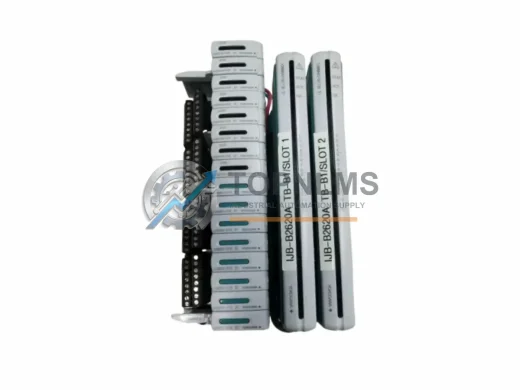
Yokogawa A2MMM843 original CENTUM VP DCS communication module. Industrial spare for I/O & bus systems. 12-month warranty. Fast global shipping.
YOKOGAWA YCB149 ruggedized V-net converter connector for CENTUM DCS. In stock, tested, 12-month warranty. Fast shipping. Contact: [email protected]
Click Quote This Model and the Part Number field will auto-fill with NFSB100-S50.