
Yokogawa
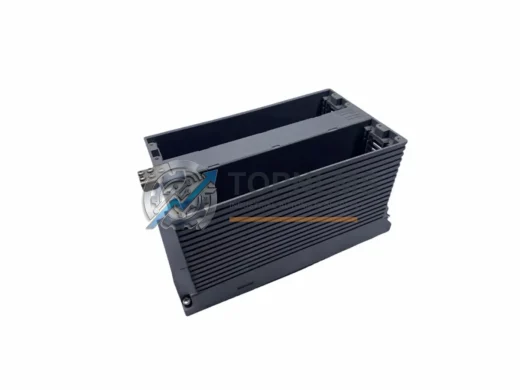
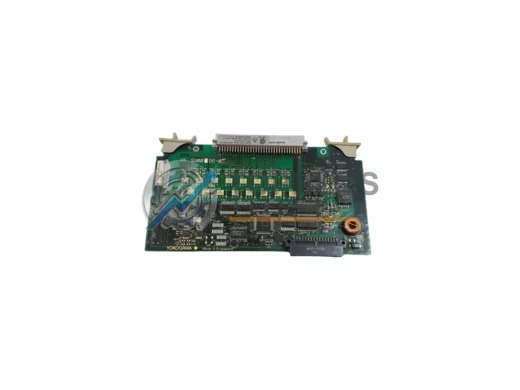
YOKOGAWA AMN32 S1 Original Industrial Spare CENTUM VP Compatible
AMN32 S1YOKOGAWA AMN32 S1 original DCS I/O module for CENTUM VP systems. Verified spare, 12-month warranty, fast global shipping. Reduce downtime now.
Request availability, condition, lead time and export shipping details for MX2*D.
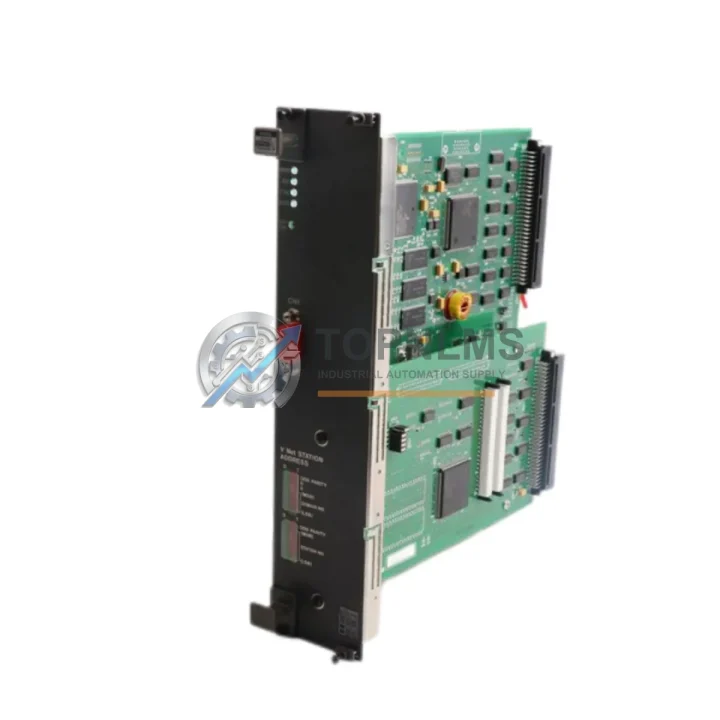
Send this exact part number, quantity and destination country. TOPNLMS will confirm availability, condition and export lead time before quotation.
The YOKOGAWA MX2*D is a universal input data acquisition I/O card designed for the MX100 DAQSTATION modular data acquisition system. As legacy MX100 installations age and original MX2*D cards reach end-of-service life, plant engineers and maintenance teams face increasing pressure to source verified replacement units that preserve existing wiring infrastructure, channel configurations, and communication architecture without triggering a full system overhaul.
TOPNLMS supplies tested, in-stock MX2*D I/O cards sourced from verified industrial channels. Each unit undergoes pre-shipment functional verification to confirm channel integrity, terminal block compatibility, and module communication with the MX100 mainframe. Whether you are replacing a failed card in a running production line or building a spare-parts buffer for a multi-unit MX100 installation, our stock is ready for immediate dispatch from Xiamen with full documentation support.
The MX100 platform is a modular, rack-based data acquisition system widely deployed in process industries including petrochemical, pharmaceutical, power generation, and environmental monitoring. The MX2*D card slots directly into the MX100 mainframe chassis alongside companion modules such as the MX150 high-speed analog input card, the MX110 voltage/temperature input module, and the MX180 pulse input card. Replacing a failed MX2*D does not require reconfiguration of adjacent slots or modification of the MX100 base unit wiring harness, provided the replacement card carries the same firmware revision baseline.
For sites running the MX100 under DAQSTANDARD or MX100 PC software, the replacement MX2*D integrates without driver reinstallation. The card communicates with the MX100 mainframe over the internal module bus, and channel assignments are retained in the mainframe memory. Engineers migrating from older YOKOGAWA DR230 or DR240 paperless recorders to the MX100 platform will find that the MX2*D supports equivalent thermocouple, RTD, DC voltage, and DC current input types, enabling a direct signal-wiring transition from legacy terminal blocks to the MX2*D screw-terminal interface.
| Parameter | YOKOGAWA MX2*D (Replacement) | Legacy / Predecessor Reference |
|---|---|---|
| Model / SKU | MX2*D | MX2*D (original OEM, discontinued batches) |
| Platform | MX100 DAQSTATION Modular System | MX100 / compatible with DR230, DR240 migration |
| Input Types | Thermocouple, RTD, DC Voltage, DC Current | Same — direct signal-wiring compatibility |
| Terminal Interface | Screw-terminal block (MX100 standard) | Identical — no rewiring required |
| Communication | Internal MX100 module bus (Ethernet via mainframe) | Same internal bus — no protocol change |
| Software Compatibility | DAQSTANDARD, MX100 PC Software | No driver reinstallation required |
| Physical Form Factor | MX100 standard module card | Direct slot-in replacement — no bracket modification |
| Installation Space | Single MX100 mainframe slot | Same slot footprint — no chassis modification |
| Power Supply | Powered via MX100 mainframe backplane | No external power wiring change required |
| Replacement Recommendation | Direct drop-in for failed or end-of-life MX2*D | Verified compatible — channel config retained in mainframe |
| Warranty | 12-Month Warranty — covered by TOPNLMS post-sale support | |
A successful MX2*D replacement or MX100 system migration rarely involves a single card in isolation. In practice, maintenance engineers working on MX100 installations typically address the I/O card alongside several interconnected components to ensure the upgraded system returns to full operational status with minimal downtime.
When the MX2*D is replaced as part of a broader MX100 refurbishment, the MX100 mainframe base unit itself should be inspected for backplane connector wear, particularly on high-cycle installations where cards have been swapped multiple times. The MX150 high-speed analog input module, often installed in adjacent slots, shares the same internal bus and should be confirmed operational before the replacement MX2*D is commissioned. Similarly, the MX110 voltage and temperature input module is frequently co-deployed with the MX2*D in multi-parameter monitoring applications, and its channel calibration data should be verified after any mainframe-level intervention.
For sites where the MX100 communicates upstream to a SCADA or DCS via Ethernet, the MX100 Ethernet communication unit (typically the MX100-compatible network interface module) should be confirmed as firmware-current before the replacement card is brought online. In installations where Modbus TCP or PROFIBUS DP is used for data transfer to a host PLC — such as a YOKOGAWA STARDOM FCN controller or a third-party Siemens S7-series PLC — the communication mapping for the replaced channel block should be re-verified in the host configuration after card swap.
Field engineers performing the MX2*D swap in a live control cabinet should also account for the MX100 terminal block wiring harness condition. On installations older than five years, the screw-terminal connections on the existing wiring harness may benefit from re-torquing or replacement with a fresh terminal block assembly to ensure signal integrity on the newly installed card. Signal isolators or barriers installed upstream of the MX2*D input channels — particularly on 4–20 mA current loop circuits — should be tested for output accuracy before the replacement card is declared in service.
For sites migrating from the older YOKOGAWA DR230 or DR240 paperless recorder platform to the MX100 architecture, the MX2*D serves as the primary I/O interface for the new system. The migration typically involves remapping existing thermocouple and RTD wiring from the DR-series terminal blocks to the MX2*D screw terminals, updating the DAQSTANDARD channel tag database, and verifying alarm setpoints in the MX100 configuration software. A YOKOGAWA-compatible RS-232C or USB programming cable is required for initial MX100 configuration and channel verification during commissioning.
Q: Does replacing the MX2*D require rewiring the field signal cables?
A: No. The MX2*D replacement uses the same screw-terminal block interface as the original card. Existing field wiring for thermocouples, RTDs, voltage, and current inputs connects directly to the replacement card without modification, provided the terminal block assembly is in good condition.
Q: Will the MX100 mainframe retain channel configuration after the card swap?
A: Yes. Channel tag names, engineering unit assignments, alarm setpoints, and sampling interval settings are stored in the MX100 mainframe memory, not on the I/O card itself. After installing the replacement MX2*D, the mainframe will re-associate the stored configuration with the new card automatically on power-up.
Q: Is the replacement MX2*D compatible with DAQSTANDARD software?
A: Yes. The replacement card communicates with the MX100 mainframe over the standard internal module bus. DAQSTANDARD and MX100 PC software do not require reinstallation or reconfiguration for a like-for-like MX2*D card replacement.
Q: What communication protocols does the MX100 system support when using the MX2*D?
A: The MX100 mainframe supports Ethernet (TCP/IP) for DAQSTANDARD communication, and optionally Modbus TCP for integration with third-party SCADA or PLC systems. The MX2*D I/O card itself communicates internally via the MX100 module bus; protocol configuration is managed at the mainframe level.
Q: Can the MX2*D be installed in any slot of the MX100 mainframe?
A: The MX2*D is designed for the MX100 standard I/O slot. Slot assignment should follow the original system configuration documentation. If the original slot assignment is unknown, the MX100 configuration software can be used to identify the correct slot mapping before card installation.
Q: What should be checked during commissioning after the MX2*D replacement?
A: After installation, verify channel signal readings against known reference inputs, confirm alarm relay outputs are functioning, check Ethernet communication status on the MX100 mainframe front panel, and validate data logging continuity in DAQSTANDARD. For Modbus TCP integrations, confirm register mapping in the host PLC or SCADA configuration.
Every YOKOGAWA MX2*D supplied by TOPNLMS is covered by a 12-month warranty from the date of shipment. Prior to dispatch, each unit undergoes a pre-shipment functional check covering module communication, channel input verification, and terminal block integrity. Units that do not pass the pre-shipment check are not dispatched.
In the event of a confirmed defect within the warranty period, TOPNLMS provides replacement support with priority processing. Our after-sales response team is reachable within one business day for warranty claims, technical queries, and documentation requests. We supply test reports, product datasheets, and country-of-origin documentation upon request to support incoming inspection and procurement compliance requirements.
For procurement teams managing spare-parts inventory for MX100 installations, TOPNLMS offers multi-unit stocking orders with consolidated shipping from Xiamen. Lead times for in-stock units are typically 3–7 business days to major industrial hubs. Express shipping options are available for urgent replacement scenarios where production continuity is at risk.
Our procurement support team can assist with cross-referencing MX2*D variants, confirming firmware revision compatibility with your existing MX100 mainframe, and coordinating documentation packages for regulated industries including pharmaceutical GMP environments and power utility compliance frameworks.
© 2026 TOPNLMS. All rights reserved.
Original Source: https://topnlms.com
Contact: [email protected] | +86 18359293191
YOKOGAWA AMN32 S1 original DCS I/O module for CENTUM VP systems. Verified spare, 12-month warranty, fast global shipping. Reduce downtime now.
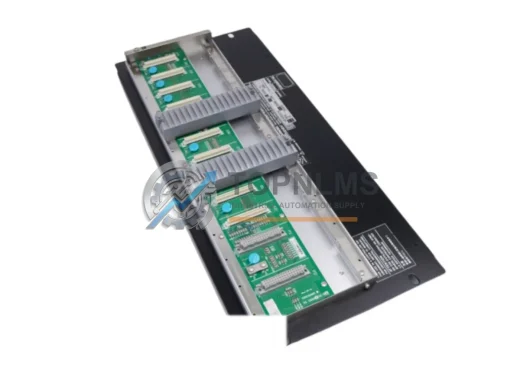
Yokogawa ANB10D-421 original 4-ch 4–20mA analog output module for CENTUM VP & CS 3000. Industrial spare, 12-month warranty, tested before shipment.
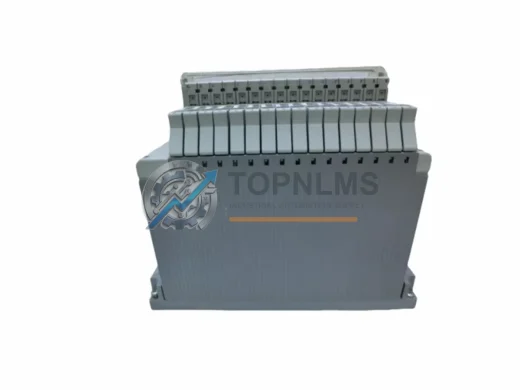
YOKOGAWA AMN21 replacement & upgrade solution for CENTUM CS3000/VP DCS. Compatible wiring, 12-month warranty, fast shipping. Contact: [email protected]
Yokogawa AMM12-S2 original analog input module for CENTUM DCS systems. Tested, 12-month warranty, fast worldwide shipping. Reduce downtime with genuine spares.
Click Quote This Model and the Part Number field will auto-fill with MX2*D.