
The replacement arrives, the control cabinet returns to service, and the purchasing team closes the urgent order. Weeks later, an additional charge appears because the failed unit was never returned. The hardware recovery succeeded, but the exchange transaction did not finish.
This is an avoidable risk when comparing an outright ControlLogix spare with an exchange offer. The visible price may represent different obligations. One purchase may transfer a replacement without a return requirement; another may depend on an eligible failed core arriving at a specified location within an agreed period. Those are not equivalent quotations.
Define the transaction before comparing prices
Separate outright supply, repair-and-return and advance exchange in the inquiry. In an outright purchase, ask exactly what condition and warranty are offered. In repair-and-return, establish whether the same identified unit comes back and what happens if it is beyond repair. In advance exchange, identify both the incoming replacement and the outgoing core obligation.
Rockwell Automation’s remanufacturing and exchange overview describes these as distinct services. Its Inventory+ service guide also includes core-return conditions for a particular service arrangement. These references explain why the contract matters; they are not evidence that TOPNLMS supplies OEM-authorized exchange service or that a particular item is eligible.
Do not copy a return period from one regional program into another quotation. The relevant deadline, eligibility conditions and charges must come from the actual offer. Even the event that starts the clock should be explicit: shipment, delivery, authorization or another defined milestone.
The core has an identity too
A core is not simply any failed part from the same cabinet. The provider may require a particular model, series, condition or completeness. Ask what makes a return acceptable before the replacement is dispatched. Missing covers, altered identification or physical damage can create a dispute that a matching family name does not resolve.
For an Allen-Bradley 1756-PA72 spare inquiry, identify the actual installed unit and the proposed transaction type. If an exchange is offered, have the provider confirm the return eligibility of that specific failed unit. A published product page establishes a sourcing reference, not an entitlement to a manufacturer’s exchange program.
A separate request for a 1756-PB72 ControlLogix power supply should retain its own identity and conditions. Similar catalog numbers do not justify substituting one return core for another or assuming that commercial eligibility implies technical interchangeability. Engineering approval and exchange eligibility answer different questions.
Photograph the removed unit’s label and condition through the site’s approved handling process. Attach its asset reference, reported symptom and return authorization to the service record. This preserves traceability without requiring the warehouse to reconstruct the story after the maintenance team has moved to another job.
Assign the return before the outage ends
The return obligation often crosses three departments. Maintenance removes and identifies the unit. The warehouse packages and dispatches it. Purchasing tracks the commercial closure. Unless one person owns the overall deadline, each department can complete its local task while the package remains on a shelf.
Create the return task when accepting the exchange quotation, not after startup. Record the return address, authorization reference, carrier responsibility, packaging requirements and proof of delivery needed. Confirm whether the provider must receive the core by the deadline or whether dispatch evidence is sufficient under the agreement.
For cross-border returns, involve the logistics team before shipment. The documentation for a failed unit being returned under an exchange arrangement can differ from an ordinary sale. Have qualified personnel determine the applicable customs and transport treatment; do not assume the outbound replacement paperwork can simply be reused in reverse.
Where contamination or hazardous-process exposure is possible, follow the site’s decontamination and disclosure procedures. A protective bag and a clean exterior do not establish that an item is safe for handling. The provider needs accurate information before accepting the return.
Compare total exposure, not the headline amount
A quotation comparison should show the replacement price, refundable or conditional amounts, freight, return responsibility, potential non-return charges and the consequence of a rejected core. Keep taxes and transport terms in the appropriate commercial review. The objective is visibility, not a speculative calculation built from missing conditions.
Also compare time requirements. An exchange may reduce waiting for a repaired unit, but only if the replacement is actually available and approved for the application. An outright spare may avoid the core obligation but require a different budget. Repair-and-return may preserve unit identity where that matters, while taking a different recovery route.
Do not describe a remanufactured item as new merely because it has passed a strong test process. Require an accurate condition statement and a clear warranty provider. OEM service coverage, independent supplier warranty and a general satisfaction promise are different commitments; purchasing should know which one the quotation actually contains.
Close the loop with evidence
The order is complete when the contractual conditions are satisfied, not merely when the machine restarts. Keep the return tracking, receipt confirmation, core acceptance and any final credit or charge with the original purchase record. If the provider rejects the core, request the reason and supporting evidence promptly.
This discipline also improves the next emergency purchase. The team can see which transaction worked, what the true cost was and whether the return process was manageable. A well-documented exchange becomes a repeatable option instead of a low-looking price that generates a surprise later.
Questions before accepting an exchange
Does a lower exchange price mean a cheaper finished transaction?
Not necessarily. Compare all return obligations, conditional charges and freight responsibilities. A missing or ineligible core can change the final cost, so the headline amount is not enough.
Can we return another failed unit from the same family?
Only with the provider’s written approval. Eligibility may depend on exact model, series, completeness and condition. Do not assume that a similar-looking unit satisfies the agreed return requirement.
Does a product listing prove OEM exchange eligibility?
No. Eligibility and authorization must be established through the applicable provider and program. A catalog listing alone does not confirm availability, service entitlement or an OEM relationship.
When should we close the purchase order?
After recording the replacement acceptance and all required commercial closure evidence, including core receipt and acceptance where applicable. Machine startup and transaction completion should be tracked separately.
Send TOPNLMS the exact ControlLogix model and specify outright supply, repair inquiry or exchange inquiry at [email protected]. Ask for the available transaction type and conditions in writing before comparing offers.
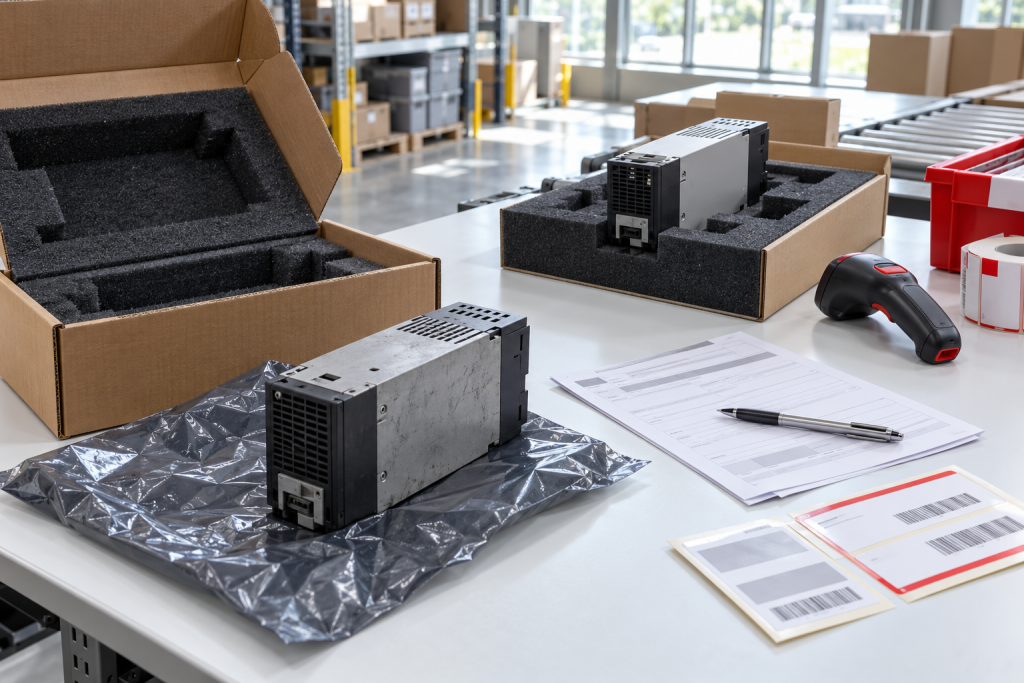
Image: AI-generated editorial illustration, not an exact product photograph or installation reference.
© 2026 TOPNLMS. All rights reserved. Official Website: https://topnlms.com Inquiry: [email protected] | WhatsApp/Tel: +86 18359293191