
Two input cards can report the same final contact state and still provide different evidence about how a plant event unfolded. For reliability teams investigating a sequence of trips or permissive changes, that difference matters. More channels do not automatically mean equivalent event capture.
Yokogawa ADV151 and ADV161 provide a useful example of why spare selection should preserve the required function rather than just voltage and channel count. The question is not which number looks newer or which card offers more inputs. It is what the installed system needs to observe, record and recover.
The distinction in the published specification
The referenced Yokogawa digital I/O general specification lists ADV151 with thirty-two inputs and ADV161 with sixty-four inputs. Both appear in the 24 V DC sink/source input context. However, the table identifies a function for capturing sequence-of-events data for ADV151 and does not list that function for ADV161.
This is a release-specific manufacturer reference, not a new product announcement. It does not establish that every installed ADV151 arrangement automatically provides the same configured event-recording behaviour. Exact suffixes, revisions, system support and application configuration still require verification.
Ask what evidence the plant must retain
A status display answers what a contact is doing now. An event record may be needed to investigate the order of changes. Before selecting a spare, ask the process and reliability teams which of those functions is required for each signal group.
For example, a hypothetical investigation might need to distinguish whether an auxiliary contact changed before or after a related equipment status. A later snapshot showing both contacts open does not answer that question. The maintenance requirement should therefore identify the expected event evidence rather than only the final input states.
Do not infer event timestamp performance from a normal input response specification. These describe different aspects of a system. Any required timing performance, clock dependency and recording behaviour must come from the applicable system documentation and an approved acceptance method.
Preserve identity at the spare-request stage
An enquiry for an installed ADV151-P00 S2 digital input module should retain the full label and state whether event capture is part of the required function. The product listing can identify a sourcing request; it does not by itself certify the installed system’s event-recording performance.
A separate requirement for an ADV161-P00 S2 input module should remain separate. The higher channel count is not evidence that it preserves an ADV151 event-capture requirement. These listings are not presented as an interchangeable pair, nor does the catalog wording establish an environmental or safety certification.
Record the station context, installed revision and approved configuration reference with each spare. If a label uses spacing or formatting different from the purchase database, retain a readable photograph to prevent characters from being dropped during transcription.
Do not let an I/O consolidation erase a requirement
There can be legitimate reasons to redesign an input arrangement, including cabinet constraints or a wider system project. That is a different decision from buying an exact recovery spare. Keep any redesign proposal separate from the stock replacement line.
Before consolidating channels, list the functions that must survive: status acquisition, required event recording, diagnostics and the documented electrical interfaces. Assign an owner to approve each requirement. If event capture is no longer needed, that should be an explicit operational decision, not an accidental result of selecting a denser card.
Include the destination of the recorded information. A module capability has value only within a supported and configured system path. The review should identify how the plant expects to retrieve and interpret the relevant evidence without assuming that a hardware capability alone completes the workflow.
Plan acceptance around the claimed function
A basic input check and an event-capture check should be recorded as different tests. The first can establish that a defined stimulus produces the expected status under the approved test conditions. It does not automatically establish ordering, timestamp quality or retrieval of event records.
Where event capture is required, the responsible controls team should define a controlled stimulus sequence and expected evidence using the applicable system documentation. Keep the equipment isolated or otherwise under an approved test procedure. Do not manipulate live process contacts merely to demonstrate a spare.
Record the tested hardware, system revision, configuration and acceptance result. If the available bench cannot reproduce the event-recording path, state that limitation. A partial test is useful evidence when honestly described; it becomes a problem when the stock label implies a broader verification than was performed.
Also preserve the baseline after changes. A spare that was accepted against an earlier configuration may need review when the system is modified. The inventory record should point to the current approved requirement rather than relying on an old successful test indefinitely.
Questions about ADV151 and ADV161
Is ADV161 simply a higher-capacity ADV151?
That description misses a relevant functional distinction. The referenced specification lists different channel counts and identifies event capture for ADV151 rather than ADV161. Assess the exact installed requirements before considering either as an alternative.
Does any ADV151 guarantee the event performance we need?
No such blanket guarantee is established here. Confirm the exact hardware and system revisions, supported configuration and required acceptance evidence. A family-level capability is not a substitute for verification of your complete arrangement.
Can we use input response time as the event timestamp accuracy?
No. Do not equate those specifications. The applicable system documentation must define the relevant timing and recording behaviour. The required performance should be checked through an approved method appropriate to the configured system.
What should procurement ask before accepting an alternative?
Ask which installed functions are preserved, what manufacturer evidence supports the claim and who approves the change. Include the full label, revision, event-capture requirement and testing scope. Treat an unverified alternative as a proposal, not usable recovery stock.
For an identified I/O spare quotation, send TOPNLMS the full ADV module label and its required role. Stating the event-recording requirement early helps keep a channel-count comparison from replacing the engineering decision that matters.
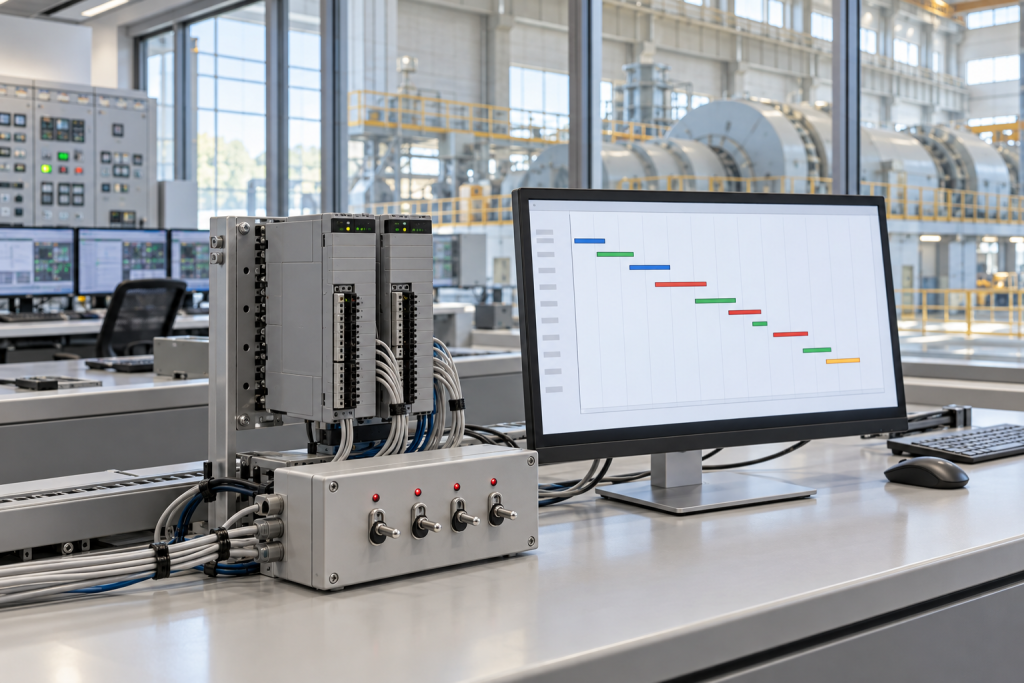
Image: AI-generated editorial illustration, not an exact product photograph or installation reference.
© 2026 TOPNLMS. All rights reserved. Official Website: https://topnlms.com Inquiry: [email protected] | WhatsApp/Tel: +86 18359293191