Product Overview
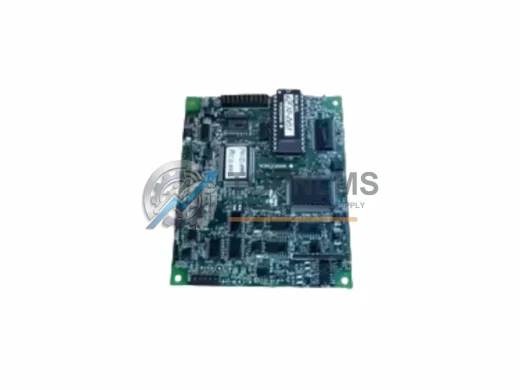
Yokogawa SCP401-11 S1 Original Industrial Spare CS3000 Compatible: System Stability & Industrial Spare Parts Maintenance Value
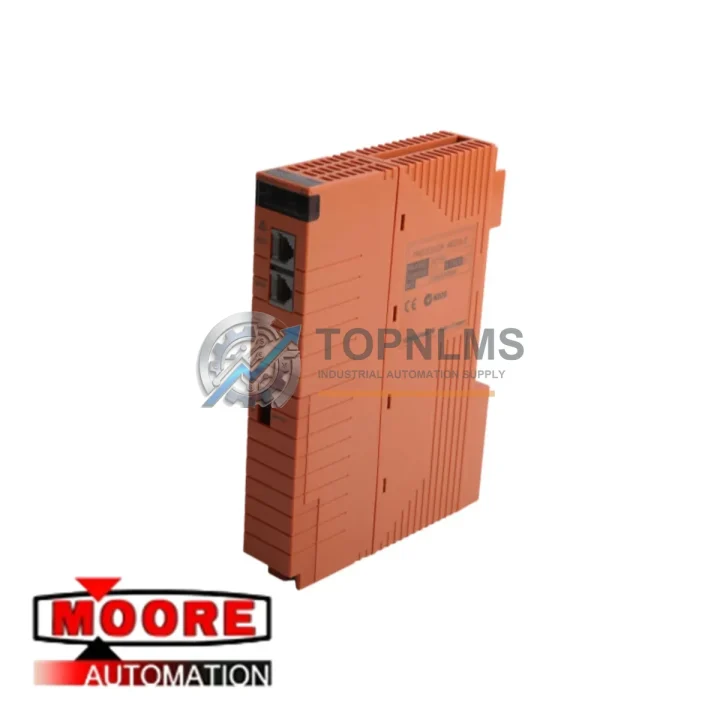
The Yokogawa SCP401-11 S1 is a critical processor module within the CENTUM CS3000 Distributed Control System (DCS) platform — one of the most widely deployed process automation architectures in petrochemical, power generation, pharmaceutical, and heavy manufacturing facilities worldwide. As plant assets age and OEM support windows narrow, maintaining a verified original spare of the SCP401-11 S1 is no longer optional; it is a cornerstone of any responsible maintenance strategy.
When a processor module fails in a live DCS environment, the consequences extend far beyond the cost of the component itself. Unplanned shutdowns in process industries routinely cost tens of thousands of dollars per hour in lost production, emergency labor, and regulatory exposure. The SCP401-11 S1, as the system controller responsible for scan execution, I/O coordination, and inter-station communication within the CS3000 architecture, sits at the heart of operational continuity. A verified, tested replacement unit on the shelf is the single most effective insurance policy against catastrophic downtime.
Critical Technical Specs Table
| Parameter |
Specification |
| Part Number |
SCP401-11 S1 |
| Manufacturer |
Yokogawa Electric Corporation |
| Compatible System |
CENTUM CS3000 DCS |
| Module Type |
Station Control Processor (SCP) |
| Suffix / Revision |
S1 (Standard) |
| Communication Interface |
V-net / Ethernet (CS3000 internal bus) |
| Power Supply Requirement |
24 VDC (supplied via backplane) |
| Operating Temperature |
0°C to 55°C |
| Storage Temperature |
-25°C to 70°C |
| Humidity |
5% to 95% RH (non-condensing) |
| Country of Origin |
Japan |
| Installation |
DIN rail / CS3000 station backplane slot |
| Condition |
Original, tested before shipment |
| Warranty |
12 Months |
Preventive Maintenance Strategy
Experienced maintenance engineers understand that a DCS processor module rarely fails in isolation. The SCP401-11 S1 operates within a tightly integrated station architecture, and its long-term reliability depends on the health of every component sharing its power rail, backplane, and communication bus. A structured preventive maintenance program should treat the SCP401-11 S1 as the anchor of a broader inspection cycle.
During scheduled shutdowns or annual turnarounds, technicians replacing or inspecting the SCP401-11 S1 should simultaneously audit the SCP401 station power supply module — voltage ripple and aging capacitors in the PSU are a leading cause of intermittent processor resets that are frequently misdiagnosed as software faults. The ESB401 Ethernet communication module and ACM12 advanced communication module share the same station backplane and should be inspected for connector oxidation and firmware currency.
I/O integrity is equally important. The AAI141 analog input module and AAI841 analog output module connected to the same field junction boxes as the SCP401-11 S1 station should be checked for channel drift and calibration compliance. If the facility operates in a high-vibration environment, the terminal block assemblies and field wiring connectors on these I/O modules are common sources of intermittent signal loss that can trigger false alarms or process upsets.
For facilities running redundant CS3000 configurations, the SCP401-11 S1 redundant pair should be tested for seamless switchover at least once per maintenance cycle. A redundant processor that has never been exercised in switchover mode may fail silently, leaving the system operating on a single point of failure without operator awareness. Alongside this, the RIO bus cables connecting remote I/O units to the field control station should be inspected for insulation integrity and connector seating.
Control cabinet hygiene is often overlooked but directly impacts module longevity. Dust accumulation on the CS3000 station backplane and cooling vents can elevate operating temperatures by 10–15°C, significantly accelerating component aging. Facilities in humid or coastal environments should also inspect the signal isolator modules and fuse terminal blocks within the same cabinet for corrosion. Replacing aging 24 VDC fuse modules proactively during a planned outage costs a fraction of the emergency labor required after an unplanned trip.
Finally, for plants running legacy HMI workstations paired with the CS3000 system, a review of the HMI communication interface cards and OPC server connectivity should accompany any processor module replacement. An upgraded SCP401-11 S1 will not deliver its full reliability benefit if the upstream HMI layer introduces communication bottlenecks or compatibility gaps.
Strategic Replacement Solutions
The SCP401-11 S1 is a direct replacement for earlier SCP401 variants deployed in first-generation CENTUM CS3000 installations. Facilities that have been operating on the original hardware since initial commissioning — often 10 to 20 years ago — face a narrowing window of OEM support and an increasingly constrained secondary market for verified original units.
Sourcing a tested, original SCP401-11 S1 from a specialist industrial spare parts supplier eliminates the compatibility risks associated with counterfeit or refurbished modules. Unlike generic third-party alternatives, an original Yokogawa SCP401-11 S1 maintains full firmware compatibility with the CS3000 system builder, supports all existing function block libraries without reconfiguration, and preserves the station’s safety integrity level certification where applicable.
For maintenance planners managing multi-site operations, holding a minimum of one SCP401-11 S1 per CS3000 field control station cluster is the industry-standard recommendation. This buffer inventory strategy reduces mean time to repair (MTTR) from days — the typical lead time for emergency OEM procurement — to hours, directly protecting production uptime and contractual delivery commitments.
The SCP401-11 S1 is also a viable upgrade path for facilities currently running the earlier SCP401-10 variant. The S1 revision incorporates enhanced diagnostic capabilities and improved communication stack stability, making it a drop-in replacement that delivers measurable reliability improvements without requiring system reconfiguration or re-engineering.
Support FAQ
Q1: What is the expected service life of the SCP401-11 S1, and when should I plan for replacement?
Yokogawa DCS processor modules are designed for a nominal service life of 10–15 years under standard operating conditions. However, modules operating in high-temperature, high-humidity, or high-vibration environments may exhibit accelerated aging. We recommend proactive replacement planning at the 8–10 year mark, or immediately upon observation of intermittent communication errors, unexpected station resets, or diagnostic fault codes in the CS3000 system builder.
Q2: How do I verify compatibility between the SCP401-11 S1 and my existing CS3000 configuration?
Compatibility is confirmed by matching the station type (FCS, SCS, or PFCS), the backplane revision, and the system builder software version. The SCP401-11 S1 is compatible with CENTUM CS3000 R3.x and later releases. If you are unsure of your system revision, the CS3000 system builder project file will display the station hardware configuration. Contact us with your project details and we will confirm compatibility before shipment.
Q3: What pre-shipment testing is performed on the SCP401-11 S1?
Every SCP401-11 S1 unit is powered on and functionally tested prior to shipment. Testing includes processor initialization, communication bus handshake verification, and diagnostic self-test completion. Units that do not pass all test criteria are not shipped. A test report is available upon request. All units are shipped with ESD-protective packaging to prevent transit damage.
Q4: What does the 12-month warranty cover, and what is the claims process?
The 12-month warranty covers manufacturing defects and functional failures under normal operating conditions. It does not cover damage resulting from incorrect installation, overvoltage events, physical impact, or unauthorized modification. To initiate a warranty claim, contact us at [email protected] with your order number, a description of the fault, and any available diagnostic logs from the CS3000 system. We will arrange return shipping and provide a replacement or repair within the agreed service timeline.