
Yokogawa
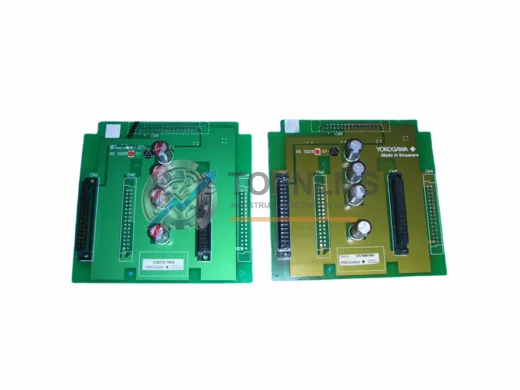
YOKOGAWA ASS9262AT-1 Replacement for CENTUM CS3000
ASS9262AT-1YOKOGAWA ASS9262AT-1 DCS communication board replacement for CENTUM CS3000. Compatible upgrade solution. 12-month warranty. Fast global shipping from stock.
Request availability, condition, lead time and export shipping details for ANB10D-427/CU2N.
Send this exact part number, quantity and destination country. TOPNLMS will confirm availability, condition and export lead time before quotation.
When a CENTUM CS3000 distributed control system reaches end-of-life support or a critical ESB Bus Node Unit fails on the plant floor, every hour of unplanned downtime translates directly into production loss. The Yokogawa ANB10D-427/CU2N is the ESB (Enhanced Signal Bus) Bus Node Unit designed specifically for the CENTUM CS3000 platform, serving as the communication bridge between field control stations (FCS) and I/O modules across the ESB network. This replacement and upgrade solution is sourced, tested, and dispatched to minimize your system recovery window.
Whether you are migrating from an aging CENTUM CS1000 or CS3000 installation, replacing a failed node unit in a live production environment, or building a spare-parts inventory for a long-running process plant, the ANB10D-427/CU2N provides the exact electrical, mechanical, and protocol compatibility required for a drop-in installation without reprogramming the host FCS or reconfiguring the ESB network topology.
The ESB Bus Node Unit occupies a standard slot in the Yokogawa RIO (Remote I/O) nest or the local I/O nest within the CENTUM CS3000 cabinet architecture. It communicates upstream to the Field Control Station via the ESB highway, coordinating data exchange with analog input modules such as the AAI141-S, analog output modules such as the AAO141-S, and digital I/O modules including the ADV151-P and ADV551-P. Replacing the ANB10D-427/CU2N does not require changes to the FCS software project or the SCS (Safety Control Station) configuration, provided the replacement unit carries the same suffix code and firmware baseline.
In retrofit projects where the plant is transitioning from CENTUM CS3000 to CENTUM VP, the ANB10D-427/CU2N often remains in service as part of a phased migration strategy. The CENTUM VP platform supports backward compatibility with CS3000 ESB I/O nests through the use of compatible bus interface cards, allowing engineers to upgrade the FCS and HIS (Human Interface Station) layers while retaining existing field wiring, I/O modules, and bus node hardware. This approach significantly reduces the capital expenditure and commissioning risk associated with a full rip-and-replace migration.
For plants running redundant FCS configurations, the ANB10D-427/CU2N supports dual-redundant ESB communication paths. When replacing a node unit in a redundant system, the recommended procedure involves switching control to the standby FCS, removing the faulty node unit from the active ESB segment, installing the replacement, and verifying bus communication status via the CENTUM CS3000 System View before returning the primary FCS to active control. This hot-swap-compatible procedure, when followed correctly, allows replacement without a full process shutdown.
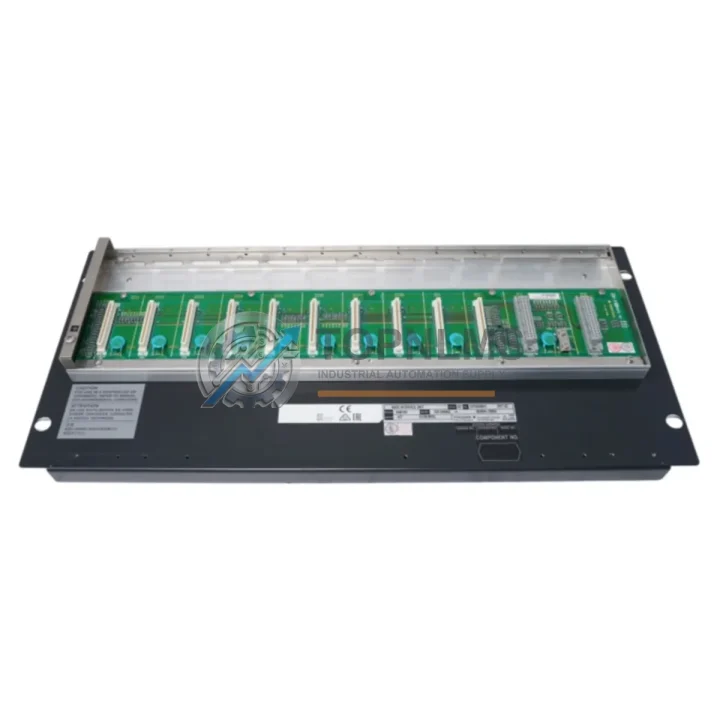
Physical installation requires a standard Yokogawa I/O nest with the correct slot assignment. The ANB10D-427/CU2N draws power from the nest power supply unit, typically a PW481 or PW482 series module, and does not require an independent external power feed. Cabinet space planning should account for the standard Yokogawa module form factor; no additional DIN rail adapters or bracket modifications are required for direct nest insertion. Signal wiring to field devices is managed entirely through the downstream I/O modules, not through the bus node unit itself, simplifying the physical replacement process.
From a communications protocol perspective, the ANB10D-427/CU2N operates exclusively on the Yokogawa ESB proprietary bus and is not interchangeable with modules designed for the ER Bus, Vnet/IP, or FOUNDATION Fieldbus segments. Engineers planning a migration that involves a protocol transition—for example, moving field devices from HART to FOUNDATION Fieldbus or from ESB to Vnet/IP—will need to introduce the appropriate bus interface modules such as the ALF111 FOUNDATION Fieldbus interface or the BCV1 Vnet/IP coupler as part of the broader system architecture update. The ANB10D-427/CU2N replacement addresses the ESB layer specifically and is the correct starting point for restoring ESB segment integrity before addressing higher-level protocol changes.
Procurement lead times for legacy Yokogawa CENTUM CS3000 components from the original manufacturer can extend to several weeks or be unavailable entirely for discontinued part numbers. Maintaining a tested, certified spare of the ANB10D-427/CU2N in your plant’s critical spare inventory is a standard recommendation from process control engineers managing aging DCS infrastructure. Our stock is sourced from verified supply channels, individually inspected, and shipped with full documentation to support your plant’s maintenance records and audit requirements.
| Parameter | Legacy / Replaced Model | ANB10D-427/CU2N (This Unit) |
|---|---|---|
| Part Number | ANB10D (earlier suffix variants) | ANB10D-427/CU2N |
| Platform | CENTUM CS1000 / CS3000 | CENTUM CS3000 (VP backward compatible) |
| Bus Type | ESB (Enhanced Signal Bus) | ESB (Enhanced Signal Bus) |
| Installation | Standard Yokogawa I/O Nest Slot | Standard Yokogawa I/O Nest Slot (direct drop-in) |
| Power Supply | Nest PSU (PW481 / PW482) | Nest PSU (PW481 / PW482) — no external feed required |
| Redundancy Support | Dual-redundant ESB path | Dual-redundant ESB path |
| FCS Reprogramming Required | N/A | No — same suffix code, direct replacement |
| Compatible I/O Modules | AAI141-S, AAO141-S, ADV151-P, ADV551-P | AAI141-S, AAO141-S, ADV151-P, ADV551-P (unchanged) |
| Communication Protocol | Yokogawa ESB proprietary | Yokogawa ESB proprietary |
| Origin | Japan | Japan |
| Warranty | OEM / expired | 12-Month Warranty (TOPNLMS) |
A successful ESB Bus Node replacement rarely occurs in isolation. In most CENTUM CS3000 retrofit and migration projects, the ANB10D-427/CU2N is installed alongside a coordinated set of supporting components. The nest power supply unit—typically a PW481 or PW482—should be inspected and replaced if it shows signs of capacitor aging or voltage drift, as a degraded power supply is a common root cause of intermittent bus node faults. Analog input modules such as the AAI141-S and AAI841-H are frequently refreshed at the same time as the bus node to ensure consistent signal integrity across the ESB segment.
For plants extending the life of their CENTUM CS3000 installation while preparing for a future CENTUM VP migration, the AFV10D Field Control Unit and the ALF111 FOUNDATION Fieldbus interface module are commonly specified in the same procurement package. The ALF111 allows engineers to begin integrating FOUNDATION Fieldbus field devices into the existing CS3000 architecture without replacing the entire FCS, providing a practical bridge between legacy ESB I/O and modern fieldbus instrumentation.
Digital output modules such as the ADV551-P and relay output modules including the ADR541-P are also standard co-procurement items when a bus node replacement is triggered by a broader I/O nest audit. In redundant FCS configurations, the ESB coupler module and the dual-redundant bus cable assembly should be verified for continuity and replaced if the cable shielding shows physical damage or the coupler reports communication errors in the CENTUM CS3000 System View diagnostic panel.
For sites where the HIS (Human Interface Station) is being upgraded concurrently, the CENTUM CS3000 engineering workstation software license and the associated communication interface card for the HIS PC are procurement items that our team can advise on. Ensuring the HIS software version is compatible with the installed FCS firmware version is a critical pre-commissioning check that prevents post-replacement communication faults at the supervisory layer.
Q: Can I replace the ANB10D-427/CU2N without shutting down the process?
A: In a dual-redundant FCS configuration, yes. Switch control to the standby FCS, remove the faulty bus node from the active ESB segment, install the replacement, verify bus status in System View, then return the primary FCS to active. In a simplex (non-redundant) configuration, a controlled process hold is required before removal.
Q: Will I need to reload the FCS project after replacement?
A: No. The ANB10D-427/CU2N is a direct drop-in replacement for units with the same suffix code. The FCS recognizes the node unit automatically upon power-up without requiring a project download, provided the slot assignment and ESB address configuration are unchanged.
Q: Is the ANB10D-427/CU2N compatible with CENTUM VP?
A: CENTUM VP supports backward compatibility with CS3000 ESB I/O nests in phased migration configurations. The ANB10D-427/CU2N can remain in service during a VP migration when the FCS is upgraded but the I/O nest hardware is retained. Consult the CENTUM VP migration guide for specific firmware compatibility requirements.
Q: What is the ESB address configuration procedure?
A: The ESB node address is set via DIP switches on the module face. The address must match the slot assignment defined in the CENTUM CS3000 FCS project. Refer to the ANB10D hardware manual (IM 33J01B10-01EN) for the switch configuration table. Incorrect address settings will cause the FCS to report a bus node communication fault.
Q: Can this unit be used with HART field devices?
A: The ANB10D-427/CU2N is a bus node unit and does not directly interface with field devices. HART communication is handled at the analog I/O module level (e.g., AAI141-S with HART pass-through). The bus node unit is transparent to the HART protocol layer.
Q: What physical space does the ANB10D-427/CU2N require?
A: The module occupies one standard slot in a Yokogawa I/O nest. No additional mounting hardware, DIN rail adapters, or cabinet modifications are required. The module dimensions conform to the standard CENTUM CS3000 module form factor.
Every ANB10D-427/CU2N unit dispatched by TOPNLMS is covered by a 12-month warranty from the date of shipment. Prior to dispatch, each unit undergoes a functional inspection including power-up verification, bus communication self-test, and visual inspection for physical damage, connector integrity, and component condition. Units that do not pass inspection are not shipped.
In the event of a warranty claim, TOPNLMS provides a replacement unit or full refund based on the nature of the fault and the customer’s operational requirements. Our after-sales response target is within 24 hours of a warranty claim submission. Replacement units are dispatched with priority shipping to minimize plant downtime.
All units are shipped with commercial invoice, packing list, and inspection record documentation suitable for plant maintenance records and third-party audit requirements. Export compliance documentation is available upon request for international shipments. Shipments originate from Xiamen, China, with DHL Express, FedEx International Priority, and sea freight options available depending on order volume and urgency.
For procurement inquiries, spare part availability confirmation, or technical pre-sales consultation, contact our industrial automation team directly.
YOKOGAWA ASS9262AT-1 DCS communication board replacement for CENTUM CS3000. Compatible upgrade solution. 12-month warranty. Fast global shipping from stock.
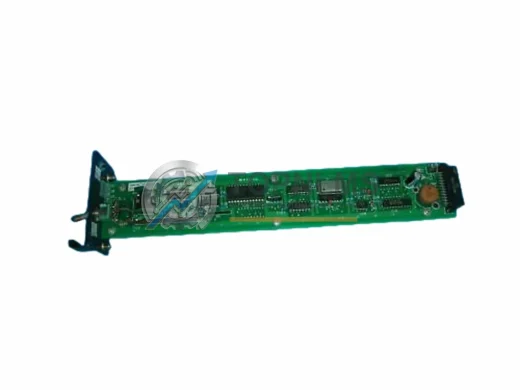
YOKOGAWA AS S9491BJ-0 Bus Coupler Module replacement for CENTUM VP DCS. Compatible upgrade solution. 12-month warranty. Fast global shipping from Xiamen.
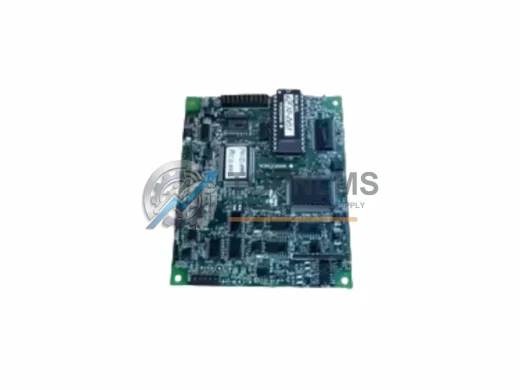
Yokogawa ASF9553EA-02 F9553ET-02 ruggedized DCS control card for CENTUM CS 3000. In stock, tested, 12-month warranty. Fast global shipping from TOPNLMS.
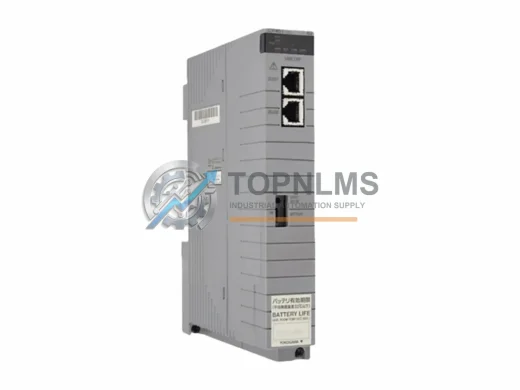
Yokogawa ANT421-50 S1 FF-H1 Bus Repeater replacement for CENTUM VP. Drop-in upgrade, wiring-compatible, 12-month warranty. Ships from Xiamen.
Click Quote This Model and the Part Number field will auto-fill with ANB10D-427/CU2N.