
Honeywell
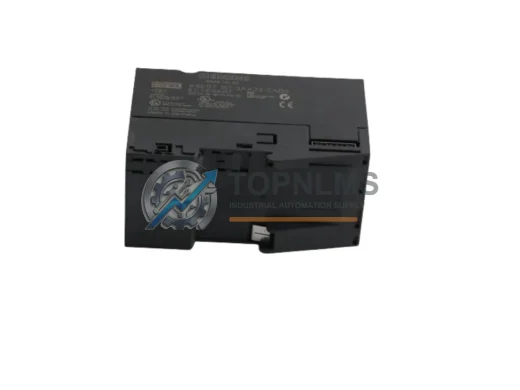
HONEYWELL 51304538-100 Ruggedized Safety Processor Module
51304538-100HONEYWELL 51304538-100 FSC Safety Manager Processor Module. SIL2/SIL3-rated, ruggedized for harsh industrial environments. In stock. 12-month warranty.
Request availability, condition, lead time and export shipping details for 2MLR-E08P-CC.
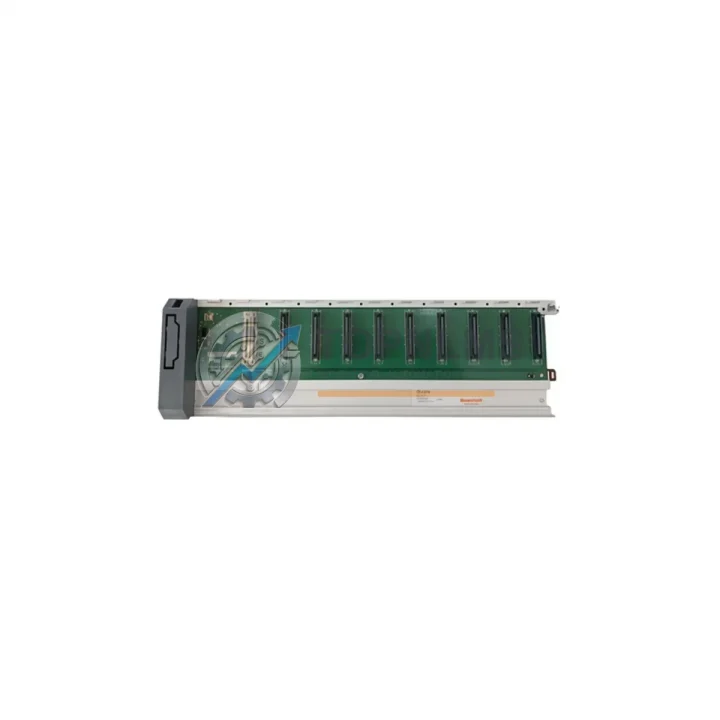
Send this exact part number, quantity and destination country. TOPNLMS will confirm availability, condition and export lead time before quotation.
In modern industrial automation environments, the reliability of every PLC module directly determines the continuity of production. The Honeywell 2MLR-E08P-CC, 2MLR-E12P-CC, and 2MLR-E12H-CC are original CC-Link remote I/O modules from Honeywell’s 2MLR Series — engineered for demanding factory automation, process control, and distributed I/O architectures. Whether you are managing a scheduled maintenance window, responding to an unplanned shutdown, or building a strategic spare parts inventory, sourcing a verified original 2MLR Series module is the fastest path to restoring system stability without compromising compatibility.
| Parameter | Specification |
|---|---|
| Model Numbers | 2MLR-E08P-CC / 2MLR-E12P-CC / 2MLR-E12H-CC |
| Brand | Honeywell |
| Series | 2MLR Series |
| Module Type | CC-Link Remote I/O PLC Module |
| I/O Points | 8-point (E08P) / 12-point NPN (E12P) / 12-point PNP (E12H) |
| Communication Protocol | CC-Link (Control & Communication Link) |
| Operating Voltage | 24 VDC (typical) |
| Country of Origin | Japan |
| Product Type | PLC Module — Industrial Automation Spare Part |
| Compatible Systems | Honeywell 2MLR Series CC-Link networks, compatible distributed I/O racks |
| Installation | DIN rail / panel mount per 2MLR Series mechanical spec |
| Operating Environment | Industrial: 0–55°C ambient, IP20 enclosure rating (verify per datasheet) |
| Maintenance Recommendation | Inspect terminal connections, LED status indicators, and CC-Link wiring annually or per PM schedule |
| Warranty | 12 Months — covers manufacturing defects; each unit tested before shipment |
When a 2MLR-E08P-CC, 2MLR-E12P-CC, or 2MLR-E12H-CC module is flagged for replacement during a scheduled inspection or emergency shutdown, experienced maintenance engineers know that the module itself is rarely the only component under stress. A thorough control cabinet audit at the same time dramatically reduces the risk of repeat failures and secondary downtime.
Begin with the CC-Link communication cable and terminating resistors — degraded shielding or loose connectors on the CC-Link trunk line are a common root cause of intermittent I/O faults that are often misdiagnosed as module failure. While the cabinet is open, inspect the 24 VDC power supply module feeding the remote I/O rack; a power supply operating near its rated load ceiling will accelerate wear on downstream modules including the 2MLR series. If the power supply shows ripple or voltage sag under load, plan its replacement alongside the I/O module.
Next, check the terminal blocks and wiring harnesses connected to the 2MLR module’s I/O points. Loose or corroded terminals cause signal errors that can trigger false alarms or mask real process faults. Replacing worn terminal blocks during the same maintenance window avoids a second cabinet opening within weeks. For installations where the 2MLR modules interface with field sensors — proximity switches, photoelectric sensors, or pressure transmitters — verify sensor supply voltage and output signal integrity at the same time.
If your facility runs a Honeywell or third-party CC-Link master controller, confirm that the master station’s CC-Link parameter table still matches the station address and I/O point count of the replacement module. A mismatch here will prevent the network from coming online even after a physically correct module swap. Keep a printed or digital copy of the CC-Link network configuration — station addresses, baud rate, and occupied station count — in the control cabinet documentation folder.
For facilities managing aging automation systems, it is also prudent to audit the condition of any relay output modules, signal isolators, and fuse terminal modules in the same cabinet. Relay contacts have a finite mechanical and electrical life cycle; if the 2MLR module’s outputs drive relay coils, those relays should be on your PM checklist. Similarly, signal isolators protecting analog I/O channels from ground loops or voltage spikes should be tested for drift. A fuse module with a blown or weakened fuse element can cause partial I/O loss that is difficult to trace without systematic inspection.
Finally, if the control system includes an HMI panel or operator terminal communicating over the same CC-Link or serial network, verify that the HMI firmware and tag database are consistent with the updated I/O configuration. Mismatched HMI tags after a module replacement can cause operator confusion and safety risks during restart. Proactive maintenance that covers the 2MLR module, its associated power supply, communication cabling, terminal hardware, relay outputs, signal isolators, and HMI configuration turns a reactive repair into a system-wide reliability upgrade.
The Honeywell 2MLR-E08P-CC, 2MLR-E12P-CC, and 2MLR-E12H-CC are original factory parts — not aftermarket substitutes. Using original spare modules preserves the electrical and communication compatibility of your existing CC-Link network without requiring re-engineering of station parameters, cable termination, or PLC program I/O mapping. This is critical for facilities that cannot afford extended reconfiguration time during a production restart.
For older installations where the original 2MLR Series modules have been discontinued by the OEM or are no longer available through standard distribution channels, sourcing verified original stock from specialist industrial spare parts suppliers is the most reliable path to system continuity. Original modules eliminate the risk of firmware incompatibility, undocumented electrical differences, or reduced MTBF that can accompany non-original replacements.
Maintaining a buffer stock of one to two 2MLR Series modules per production line — particularly for high-cycle or high-vibration environments — reduces mean time to repair (MTTR) from hours to minutes. When a module fails during a production shift, having a tested spare on the shelf means the maintenance team can restore the line without waiting for emergency freight. Each unit shipped from TOPNLMS is tested prior to dispatch and covered by a 12-month warranty, giving procurement teams the confidence to build strategic inventory without quality risk.
Q1: Are the 2MLR-E08P-CC, 2MLR-E12P-CC, and 2MLR-E12H-CC interchangeable?
They share the same 2MLR Series platform and CC-Link interface, but differ in I/O point count and transistor output polarity (NPN vs PNP). Always verify your existing wiring polarity and CC-Link station parameter (occupied stations) before substituting one model for another. The E08P has 8 I/O points; the E12P and E12H each have 12 points with NPN and PNP outputs respectively.
Q2: How do I verify compatibility with my existing CC-Link network before installation?
Confirm the CC-Link version (Ver.1 or Ver.2), baud rate, and station address settings on your master controller. The replacement 2MLR module must be configured to the same station address and occupied station count as the original. Refer to your CC-Link network configuration sheet or the master PLC’s I/O parameter table. If documentation is unavailable, our technical team can assist with compatibility verification prior to shipment.
Q3: What pre-shipment testing is performed on each unit?
Every 2MLR Series module is powered on and functionally tested before dispatch. We verify LED status indicators, communication interface continuity, and I/O channel response. Units that do not pass testing are not shipped. A 12-month warranty covers manufacturing defects from the date of receipt.
Q4: What is the recommended spare parts lifecycle strategy for 2MLR Series modules?
For critical production lines, we recommend maintaining a minimum of one spare 2MLR module per CC-Link remote I/O station. Modules in high-vibration or high-cycle environments should be inspected every 12 months and replaced proactively at the first sign of intermittent faults — before a hard failure causes unplanned downtime. Bulk procurement of 2–5 units typically qualifies for volume pricing; contact us for a quote.
HONEYWELL 51304538-100 FSC Safety Manager Processor Module. SIL2/SIL3-rated, ruggedized for harsh industrial environments. In stock. 12-month warranty.
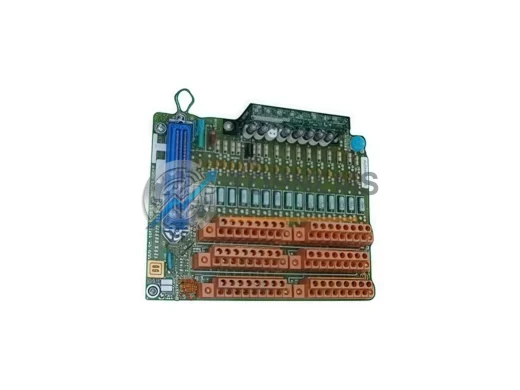
Honeywell 38001680-100 TDC 3000 ruggedized PLC control module. In-stock, tested, 12-month warranty. Fast global shipping. Reliable DCS replacement.
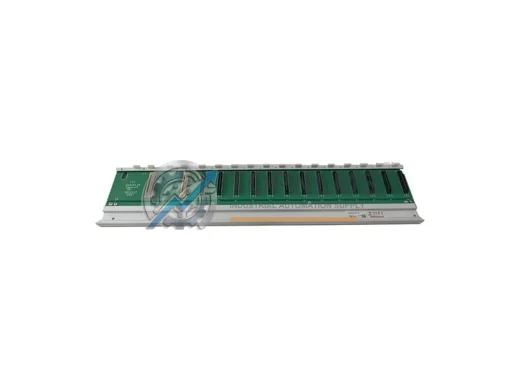
Honeywell 2MLR-E12P 12-slot modular I/O expansion base for MLR control systems. Rugged, reliable, in-stock. 12-month warranty. Fast shipping. Contact TOPNLMS.
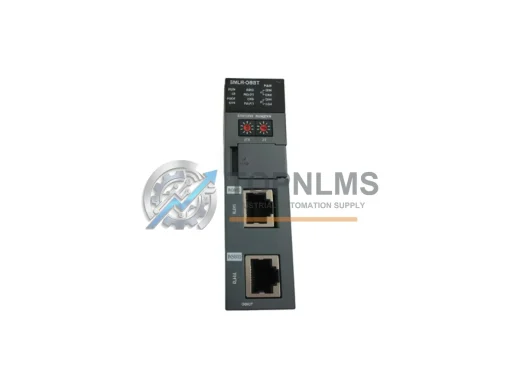
Original Honeywell 2MLR-DBST-CC / 2MLR-DBSF-CC / 2MLR-DBSH-CC FSC Safety Expansion Driver Module. Direct industrial replacement, 12-month warranty, worldwide shipping.
Click Quote This Model and the Part Number field will auto-fill with 2MLR-E08P-CC.