
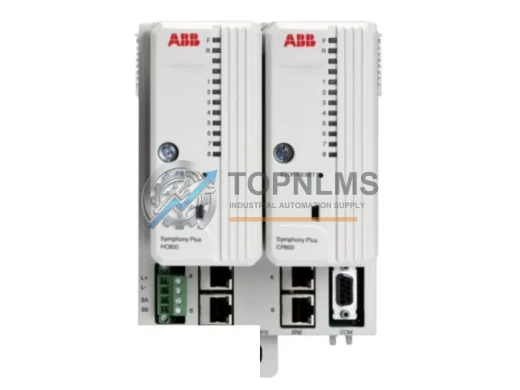
ABB
ABB CPM810 Original Industrial Spare AC800M Compatible
CPM810ABB CPM810 original industrial spare for AC800M DCS systems. Fast replacement, 12-month warranty, tested before shipment. Reduce downtime — order now.
Request availability, condition, lead time and export shipping details for CR14250SE.
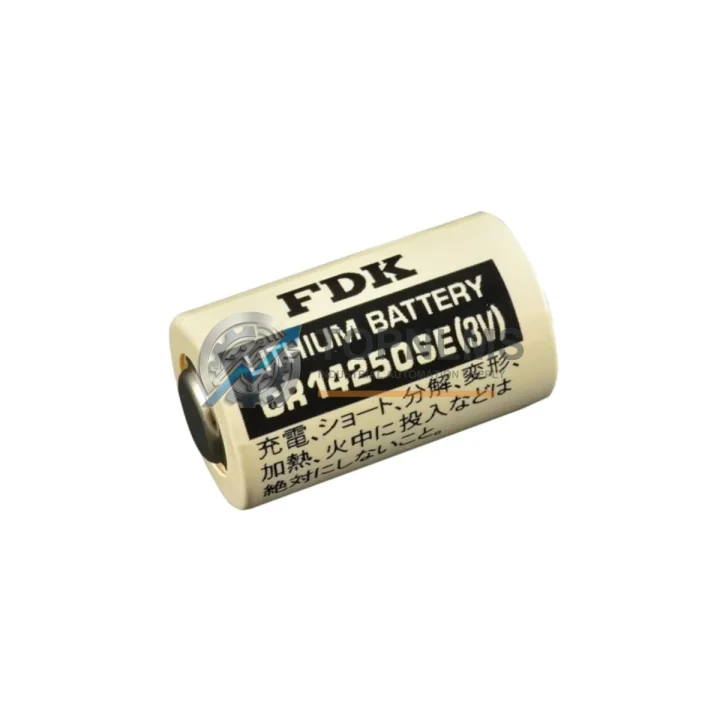
Send this exact part number, quantity and destination country. TOPNLMS will confirm availability, condition and export lead time before quotation.
In industrial automation, unplanned downtime caused by a failed PLC backup battery is one of the most preventable — and most costly — maintenance failures. The FDK CR14250SE is a 3.6V Lithium Thionyl Chloride (Li-SOCl₂) 1/2 AA-format backup cell from FDK Corporation’s trusted SL Series, engineered specifically for the demanding requirements of PLC memory retention, DCS controller backup, and real-time clock (RTC) maintenance in industrial control systems. With solder tab termination for secure PCB mounting and an ultra-low self-discharge rate, this cell is the preferred original spare for maintenance engineers managing Siemens S7, Mitsubishi MELSEC, Omron CJ/CS Series, and comparable PLC platforms.
Sourced directly from FDK Corporation’s certified manufacturing chain in Japan, the CR14250SE delivers consistent voltage output across a wide operating temperature range, making it suitable for both climate-controlled control rooms and harsh factory-floor enclosures. Whether you are executing a scheduled preventive maintenance cycle, responding to a low-battery alarm, or building a strategic spare parts inventory to protect against extended lead times, the CR14250SE is the reliable, specification-matched replacement your system demands.
| Parameter | Specification |
|---|---|
| Model / SKU | CR14250SE (FDK SL Series) |
| Nominal Voltage | 3.6 V |
| Chemistry | Lithium Thionyl Chloride (Li-SOCl₂) |
| Format | 1/2 AA (14.5 mm × 25.0 mm) |
| Termination | Solder Tab (PCB mount) |
| Nominal Capacity | 850 mAh (typical) |
| Operating Temperature | −40°C to +85°C |
| Self-Discharge Rate | < 1% per year (at 20°C) |
| Shelf Life | Up to 10 years (sealed, storage conditions) |
| Country of Origin | Japan |
| Compatibility | Siemens S7-200/300/400, Mitsubishi MELSEC Q/L Series, Omron CJ/CS Series, Fanuc CNC controllers, and compatible PLC/DCS platforms |
| Application | PLC program memory retention, RTC backup, DCS controller SRAM backup |
| Installation | PCB solder tab; observe polarity markings; replace with power-off procedure per OEM guidelines |
| Maintenance Interval | Inspect annually; replace every 3–5 years or upon low-battery alarm |
| Warranty | 12 Months from date of shipment |
A PLC backup battery replacement is rarely an isolated task — it is an opportunity to conduct a comprehensive control cabinet inspection that significantly reduces the risk of cascading failures. When scheduling a CR14250SE replacement on a Siemens S7-300 or S7-400 rack, maintenance teams should simultaneously verify the condition of the CPU module firmware and inspect the SM321/SM322 digital I/O modules for signs of terminal oxidation or loose wiring. A degraded I/O module can cause intermittent signal faults that are often misdiagnosed as CPU or program errors, leading to unnecessary and costly CPU replacements.
For Mitsubishi MELSEC Q Series installations, the battery replacement interval is also the right moment to audit the QX40 and QY10 I/O modules, check the Q61P or Q62P power supply module output voltage under load, and inspect the QJ71C24N serial communication module for connector integrity. Communication modules are frequently overlooked during routine maintenance but are a common source of intermittent network faults in aging MELSEC systems. A failed communication module during production can halt an entire line — the cost of a proactive inspection is negligible compared to an unplanned shutdown.
In Omron CJ/CS Series cabinets, technicians replacing the backup cell should also inspect the CJ1W-PA202 or CJ1W-PD025 power supply unit for capacitor aging symptoms, verify the CJ1W-SCU21-V1 serial communication unit termination resistors, and check the condition of end plates and DIN rail mounting clips. These components are inexpensive individually but their failure can cause module seating issues that generate difficult-to-trace faults and unexpected CPU resets.
Across all platforms, a battery replacement visit should include a visual inspection of terminal blocks and wiring ferrules in the I/O marshalling section, a check of the 24VDC SMPS power supply output ripple, and a review of surge protection devices (SPDs) on analog input channels. Signal isolators on thermocouple or 4–20 mA loops should also be tested for drift, as degraded isolation can introduce ground loops that corrupt analog readings and trigger false alarms. Maintaining a small buffer stock of these components — alongside the CR14250SE — is the foundation of a resilient spare parts strategy that protects production continuity.
The FDK CR14250SE is a direct, specification-matched replacement for legacy backup cells used in first-generation Siemens S5 and early S7 series PLCs, as well as older Mitsubishi A Series and Omron C200H controllers that have been maintained in service well beyond their original design life. In these aging systems, the original OEM battery may no longer be available through standard distribution channels, making a certified equivalent from FDK’s SL Series the most reliable path to continued operation without hardware migration.
For facilities managing a mixed fleet of PLC brands and generations, standardizing on the CR14250SE format where compatible simplifies inventory management, reduces the number of unique spare part numbers, and enables maintenance staff to execute replacements without consulting multiple OEM manuals. The solder tab configuration ensures a mechanically secure connection that resists vibration-induced contact failure — a critical advantage in press, stamping, and heavy machining environments where PCB-mounted components are subject to continuous mechanical stress.
Facilities undergoing a phased migration from legacy PLCs to modern platforms such as Siemens S7-1500 or Mitsubishi iQ-R Series can continue to rely on the CR14250SE to maintain legacy systems in stable operation during the transition period, avoiding the capital expenditure of an accelerated full replacement while the migration is planned and budgeted. This approach — extending the operational life of proven legacy hardware through disciplined spare parts management — is a recognized best practice in industrial maintenance engineering and directly reduces total cost of ownership.
Q1: How do I know when the CR14250SE needs to be replaced?
Most PLCs equipped with this battery type will generate a low-battery warning via a dedicated LED indicator on the CPU module or a diagnostic flag accessible through the programming software (e.g., Siemens STEP 7 / TIA Portal, Mitsubishi GX Works2/3). As a best practice, replace the battery every 3–5 years regardless of alarm status, as voltage can drop rapidly once the cell approaches end of life, risking program memory loss during a power cycle.
Q2: Is the CR14250SE compatible with my specific PLC model?
The CR14250SE is compatible with a wide range of PLC and DCS platforms that specify a 3.6V, 1/2 AA Li-SOCl₂ backup cell with solder tab termination. Always verify against your CPU module’s hardware manual or the OEM spare parts list before installation. If you are uncertain, contact us with your CPU module part number and we will confirm compatibility before shipment.
Q3: What pre-shipment testing is performed on each unit?
Every CR14250SE unit is sourced from FDK Corporation’s certified production batches and undergoes open-circuit voltage verification prior to dispatch. Units are shipped in anti-static, moisture-barrier packaging to preserve shelf life. Each shipment includes a 12-month warranty from the date of shipment, covering manufacturing defects and premature capacity loss under normal storage and operating conditions.
Q4: How should I manage CR14250SE inventory for a multi-site facility?
For facilities operating 10 or more PLC nodes using this battery type, we recommend maintaining a minimum buffer stock of 2–3 units per controller type at each site. Batteries should be stored in a cool, dry environment (15–25°C, <60% RH) in their original sealed packaging. Implement a FIFO (first-in, first-out) rotation policy and record the purchase date on each unit. Bulk procurement of 10+ units is available with volume pricing — contact our sales team for a quotation.
ABB CPM810 original industrial spare for AC800M DCS systems. Fast replacement, 12-month warranty, tested before shipment. Reduce downtime — order now.
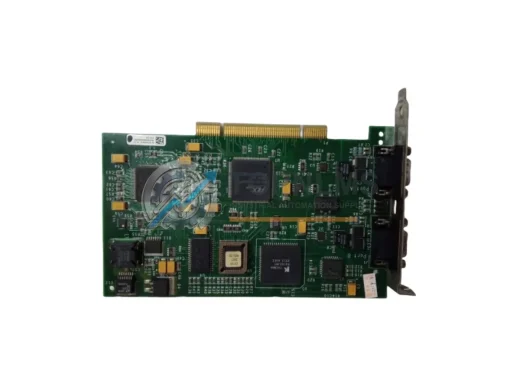
Schneider Electric 416NHM30032A Modicon Quantum PLC memory card. Rugged, reliable industrial automation component. In stock, tested, 12-month warranty. Fast shipping.
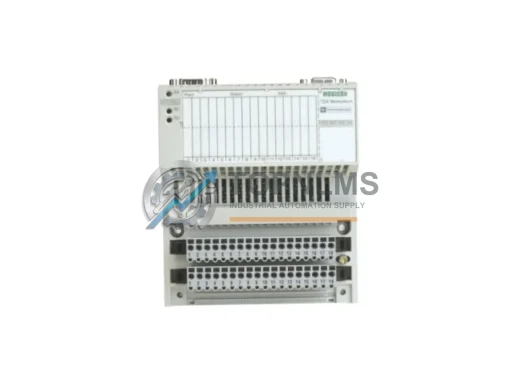
Schneider Electric 170INT11000 original Modicon Momentum Interbus communication adapter. Industrial replacement, 12-month warranty, fast shipping. topnlms.com
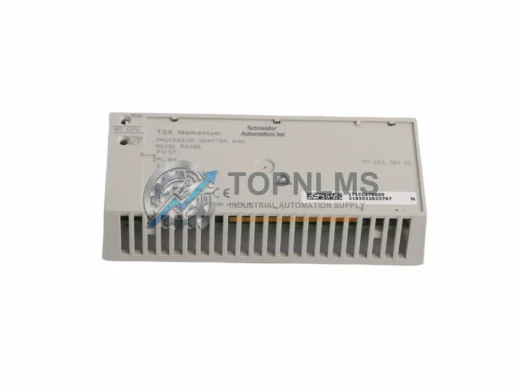
Original Schneider Electric 171CCS78000 Modicon Quantum PLC Processor Adaptor. Industrial spare for system replacement. 12-month warranty. Fast worldwide shipping.
Click Quote This Model and the Part Number field will auto-fill with CR14250SE.