
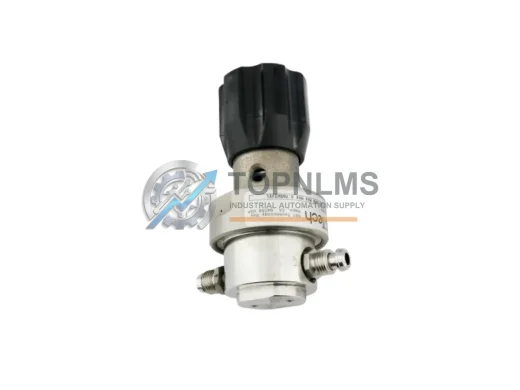
APTECH
APTECH AP1510S 5PWCS MV4 UHP Regulator Replacement
AP1510SAPTECH AP1510S 5PWCS MV4 MV4FV4FV4FV4 UHP tied diaphragm regulator. Direct replacement & upgrade solution. Compatible, in-stock, 12-month warranty. Fast ship.
Request availability, condition, lead time and export shipping details for AP1406TSM-2PW-MV4-MVE4-P.
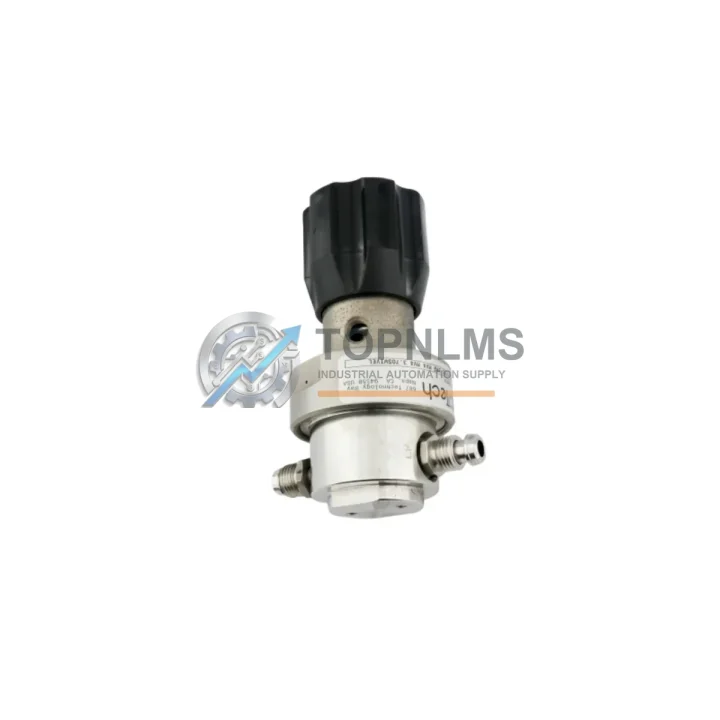
Send this exact part number, quantity and destination country. TOPNLMS will confirm availability, condition and export lead time before quotation.
In high-purity gas distribution and semiconductor process environments, pressure regulation is not a peripheral concern — it is the backbone of process integrity. The APTECH AP1406TSM-2PW-MV4-MVE4-P is an original spare component from the AP1400 Series, engineered for precision pressure control in ultra-high-purity (UHP) gas panels, specialty gas cabinets, and process tool gas sticks. When a regulator fails or drifts out of calibration, the downstream impact is immediate: process excursions, tool downtime, yield loss, and in worst cases, safety incidents. Maintaining a verified original replacement on the shelf is not optional — it is a fundamental element of any responsible maintenance strategy.
The AP1406TSM-2PW-MV4-MVE4-P is configured with a two-port manifold body (2PW), MV4 inlet valve, and MVE4 outlet valve with a P-type purge port, making it purpose-built for inert and corrosive specialty gas service. Its all-metal diaphragm construction and electropolished internal surfaces ensure particle-free, contamination-resistant gas delivery — critical in fab environments where sub-ppb purity levels are required. Whether you are replacing a failed unit during an unplanned shutdown or rotating stock as part of a scheduled PM cycle, this regulator delivers a direct, drop-in fit to existing AP1400-series gas panel assemblies without requiring re-qualification of the gas delivery system.
| Parameter | Specification |
|---|---|
| Part Number | AP1406TSM-2PW-MV4-MVE4-P |
| Series | AP1400 (High-Purity Pressure Regulator) |
| Brand / Manufacturer | APTECH (Advanced Pressure Technology) |
| Body Configuration | 2PW (Two-Port Manifold) |
| Inlet Valve | MV4 |
| Outlet Valve | MVE4 |
| Purge Port | P-Type |
| Diaphragm Material | All-Metal (Stainless Steel) |
| Internal Surface Finish | Electropolished (UHP Grade) |
| Inlet Pressure (Max) | 3000 psig (207 bar) typical for AP1400 series |
| Outlet Pressure Range | 0–250 psig adjustable (application-dependent) |
| Compatible Gas Types | Inert, corrosive, and high-purity specialty gases |
| Connection Standard | VCR / face-seal fittings (AP1400 series standard) |
| Country of Origin | United States |
| Application Environment | Semiconductor fab, UHP gas panels, specialty gas cabinets, process tool gas sticks |
| Installation | Direct drop-in replacement for AP1400 series assemblies |
| Maintenance Interval | Per OEM PM schedule or upon drift/leak detection |
| Warranty | 12 Months from date of shipment |
A pressure regulator does not fail in isolation. In a UHP gas delivery system, the AP1406TSM-2PW-MV4-MVE4-P sits within a tightly integrated assembly of components — each of which should be evaluated during any scheduled PM or corrective maintenance event. When technicians access the gas panel to replace or inspect this regulator, it is best practice to simultaneously verify the condition of adjacent components to avoid repeat entries and minimize cumulative downtime.
The AP1400 series isolation valves (such as the AP1001 and AP1002 manual valves) upstream and downstream of the regulator should be cycled and leak-checked during the same maintenance window. If the gas stick includes an APTECH AP1600 series mass flow controller (MFC) or a Brooks Instrument SLA5800 series MFC, calibration drift should be verified — a failing regulator often masks or causes apparent MFC drift. The VCR face-seal fittings and gaskets at each connection point should be inspected and replaced if any deformation or contamination is observed; reusing gaskets across maintenance cycles is a common source of post-PM leaks.
For gas cabinets housing multiple regulators, the purge valve assemblies (P-type configurations) should be actuated and verified for full closure. If the system uses pneumatically actuated valves (PAVs) — common in automated gas panels — the actuator diaphragms and pilot solenoids should be checked for response time and leak integrity. In facilities running corrosive gases such as HCl, HBr, or Cl₂, the corrosion-resistant filter elements upstream of the regulator (typically 0.003–0.01 µm sintered stainless) should be replaced on a fixed-interval basis regardless of visual condition.
Where the gas delivery system interfaces with a process tool gas box, the pressure transducers and analog signal conditioners monitoring the regulated outlet pressure should be re-zeroed and spanned after regulator replacement to ensure accurate process feedback. If the facility uses a gas monitoring system (GMS) or toxic gas monitoring (TGM) panel, sensor calibration records should be reviewed in conjunction with any gas panel maintenance event. Finally, the stainless steel tubing runs and orbital weld joints between the gas panel and the process tool should be leak-tested with a helium mass spectrometer leak detector after any component replacement — this step is frequently deferred and is a leading cause of post-maintenance process excursions.
The AP1406TSM-2PW-MV4-MVE4-P is a direct replacement for aging or failed units within existing AP1400-series gas panel assemblies. Because APTECH has maintained dimensional and interface consistency across AP1400 series generations, this regulator installs without modification to existing tubing, fittings, or panel mounting hardware. There is no need to re-qualify the gas delivery system or re-certify the gas panel layout — a significant advantage over cross-brand substitutions that may require engineering review and extended downtime.
For facilities managing legacy gas panels originally commissioned 10–15 years ago, the AP1406TSM-2PW-MV4-MVE4-P provides a path to extend system service life without capital expenditure on full panel replacement. Proactive replacement of regulators showing signs of seat wear, outlet pressure creep, or increased purge cycle counts — rather than waiting for outright failure — reduces the risk of unplanned tool downtime and the associated production loss. In high-volume semiconductor manufacturing, a single unplanned gas panel shutdown can result in hours of lost wafer starts; the cost of a spare regulator on the shelf is negligible by comparison.
For maintenance planners managing multi-tool or multi-bay facilities, we recommend maintaining a minimum of one spare AP1406TSM-2PW-MV4-MVE4-P per gas panel type in the on-site spare parts inventory. Units are shipped fully assembled, leak-tested, and bagged in a cleanroom-compatible package, ready for immediate installation. Each unit is individually serialized and traceable to its manufacturing lot, supporting ISO 9001 and SEMI S2 compliance documentation requirements.
Q1: Is the AP1406TSM-2PW-MV4-MVE4-P compatible with my existing AP1400 series gas panel without modification?
Yes. The AP1406TSM-2PW-MV4-MVE4-P is a direct drop-in replacement for AP1400 series assemblies using the 2PW two-port manifold configuration with MV4/MVE4 valve options. No tubing, fitting, or panel modifications are required. If your existing unit has a different valve suffix (e.g., MV3 or MVE3), please contact us to confirm compatibility before ordering.
Q2: What pre-shipment testing is performed on each unit?
Each AP1406TSM-2PW-MV4-MVE4-P undergoes functional pressure testing, seat leak testing, and external leak testing prior to shipment. Units are cleaned to APTECH UHP standards, bagged under nitrogen or clean dry air, and sealed in cleanroom-compatible packaging. A test report is available upon request for quality documentation purposes.
Q3: How should I manage spare parts inventory for AP1400 series regulators across multiple gas panels?
For facilities with 5 or more AP1400-series gas panels, we recommend a minimum stock level of 1–2 units per regulator configuration type. Regulators should be stored in their original sealed packaging in a clean, dry environment away from corrosive atmospheres. Shelf life in sealed packaging is typically 3–5 years; units should be inspected and re-bagged if storage exceeds this period. Establishing a first-in, first-out (FIFO) rotation policy ensures that oldest stock is deployed first.
Q4: What does the 12-month warranty cover, and what is the claims process?
The 12-month warranty covers manufacturing defects, seat leak failures, and diaphragm integrity under normal operating conditions within the specified pressure and gas compatibility range. Warranty claims are initiated by contacting [email protected] with the unit serial number, purchase date, and a description of the failure mode. We will arrange return shipping and provide a replacement unit or full refund at our discretion. Warranty does not cover damage resulting from installation errors, incompatible gas service, or operation outside rated pressure limits.
APTECH AP1510S 5PWCS MV4 MV4FV4FV4FV4 UHP tied diaphragm regulator. Direct replacement & upgrade solution. Compatible, in-stock, 12-month warranty. Fast ship.
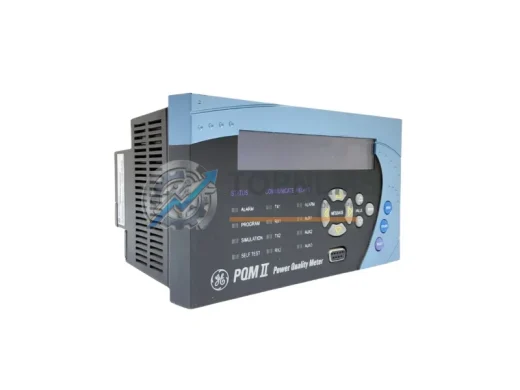
GE PQMII-A ruggedized power quality meter for harsh industrial environments. In stock, tested, 12-month warranty. Fast shipping from TOPNLMS.
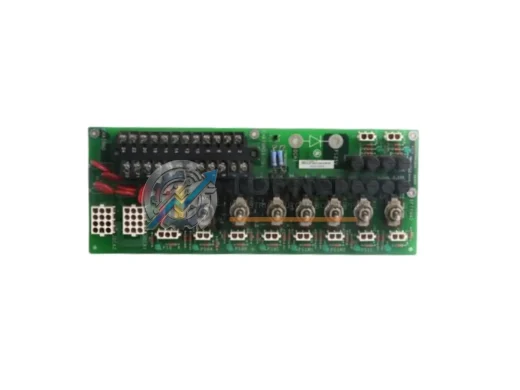
GE Multilin PL96501A0A10000 EPM 9650 Power Quality Meter. Rugged, EMI-resistant, 12-month warranty. In stock — fast shipping. Contact TOPNLMS.
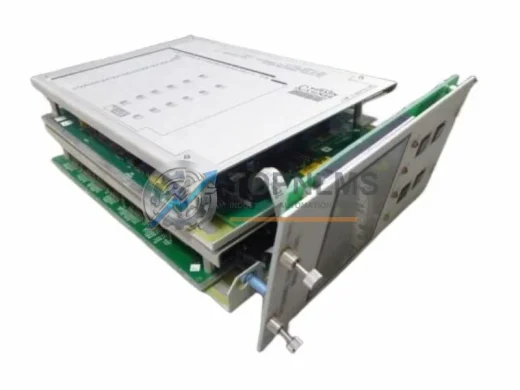
Buy Bently Nevada 3300/35 6-Ch Temperature Monitor. Original industrial spare, 3300 Series compatible, tested, 12-month warranty. Fast global shipping.
Click Quote This Model and the Part Number field will auto-fill with AP1406TSM-2PW-MV4-MVE4-P.