
ABB
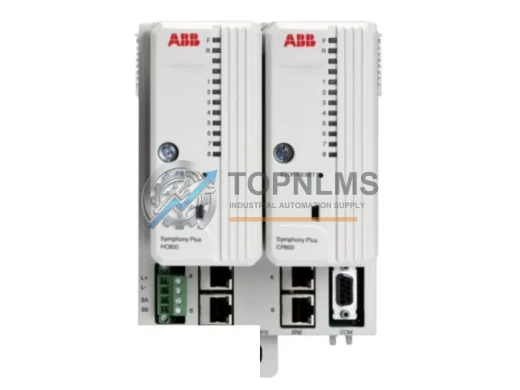
ABB CPM810 Original Industrial Spare AC800M Compatible
CPM810ABB CPM810 original industrial spare for AC800M DCS systems. Fast replacement, 12-month warranty, tested before shipment. Reduce downtime — order now.
Request availability, condition, lead time and export shipping details for EPC1000.
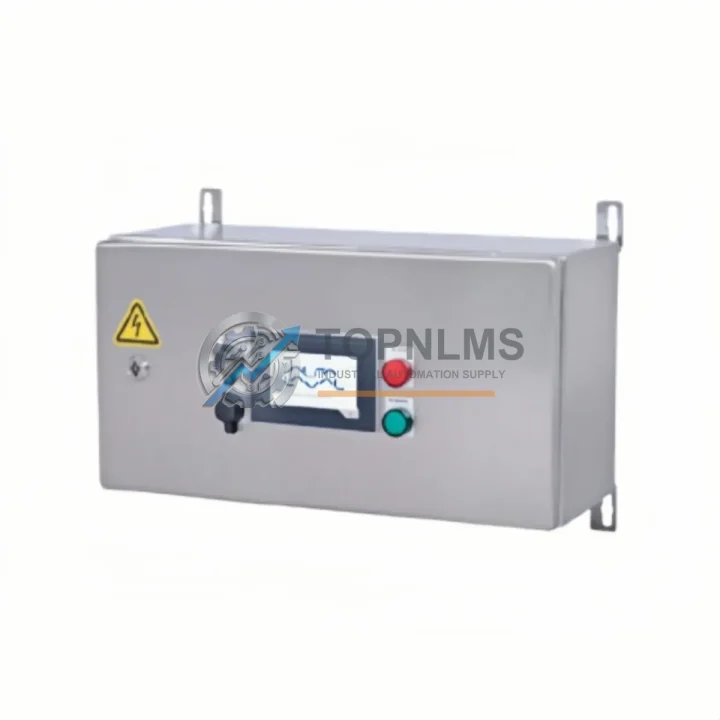
Send this exact part number, quantity and destination country. TOPNLMS will confirm availability, condition and export lead time before quotation.
When your Alfa Laval EPC1000 PLC controller reaches end-of-life or becomes unavailable through standard supply channels, production continuity depends on a fast, compatible, and fully validated replacement. This EPC1000 replacement and upgrade solution is engineered specifically for facilities running Alfa Laval EPC Series control architectures — including heat exchanger automation, separator drive systems, and hygienic process control panels — where downtime is measured in lost batches, not just lost hours.
The EPC1000 is the central logic controller in many Alfa Laval EPC Series installations. It manages I/O coordination, process sequencing, alarm handling, and communication with upstream SCADA or DCS layers. As original units age or become discontinued, sourcing a verified replacement that preserves existing wiring harnesses, terminal block layouts, and communication protocol configurations is critical to avoiding a full panel redesign. This replacement unit is pre-tested, dimensionally compatible, and ships with full documentation to support your site commissioning team.
Facilities that have standardized on Alfa Laval EPC Series equipment — including the EPC2000 expansion controller, EPC I/O terminal modules, and EPC Series communication gateways — will find that this EPC1000 replacement integrates without requiring changes to existing rack mounting positions or DIN rail configurations. The unit maintains the same power supply input range (typically 24 VDC), preserving compatibility with existing EPC Series power supply modules already installed in the control cabinet.
| Parameter | Original EPC1000 | Replacement Unit |
|---|---|---|
| SKU / Part Number | EPC1000 | EPC1000 (Compatible) |
| Series | Alfa Laval EPC Series | Alfa Laval EPC Series |
| Mounting Format | DIN Rail / Panel Mount | DIN Rail / Panel Mount (same footprint) |
| Supply Voltage | 24 VDC | 24 VDC (compatible with existing EPC power modules) |
| I/O Interface | EPC Series terminal block | Pin-compatible terminal block layout |
| Communication Protocol | Modbus RTU / Profibus DP (application-dependent) | Modbus RTU / Profibus DP compatible |
| Programming Interface | Proprietary EPC programming cable | Compatible with existing EPC programming cable |
| Firmware / Logic | Customer-specific EPC application | Customer application re-loadable (backup required) |
| Physical Dimensions | Standard EPC1000 housing | Identical housing dimensions |
| Replacement Type | — | Direct drop-in replacement |
| Warranty | OEM warranty (expired) | 12-Month Warranty from TOPNLMS |
| Availability | Discontinued / Long lead time | In stock — ships within 1–3 business days |
A successful EPC1000 replacement rarely involves the controller alone. In most Alfa Laval EPC Series installations, the controller operates as part of a tightly integrated control cabinet ecosystem. During the migration process, engineers typically audit and — where necessary — replace adjacent components to ensure the upgraded system performs reliably from day one.
The EPC Series I/O expansion modules connected to the EPC1000 via the internal backplane bus should be inspected for firmware compatibility before the new controller is commissioned. In installations where the EPC2000 acts as a secondary logic controller or remote I/O concentrator, verifying the communication handshake between the EPC1000 replacement and the EPC2000 is a standard commissioning step. Similarly, EPC Series analog input modules handling 4–20 mA signals from process sensors — such as temperature transmitters on heat exchanger circuits — must be confirmed to be within calibration tolerance before the new controller goes live.
On the communication side, many EPC Series panels interface with plant-level SCADA systems via Modbus RTU over RS-485 or Profibus DP. If the existing EPC Series Profibus DP communication module is aging, replacing it alongside the EPC1000 eliminates a common source of intermittent communication faults that can be misdiagnosed as controller failures. For sites using Ethernet-based supervisory systems, an EPC Series Modbus TCP gateway module can be added to the panel without modifying the existing wiring to the EPC1000’s serial port.
The EPC Series programming cable — used to upload and download the customer’s control application — should be tested before the replacement controller arrives on site. A faulty cable is one of the most common causes of commissioning delays during controller swap-outs. If the original cable is unavailable, a compatible EPC programming cable can be sourced separately. Once the EPC1000 replacement is mounted and powered, the existing customer application — backed up from the original unit or retrieved from the site’s engineering archive — is loaded via the programming interface, and I/O mapping is verified channel by channel against the existing terminal block wiring.
For panels where the EPC1000 controls a variable-speed separator or pump drive, the interface between the controller and the associated frequency inverter or soft starter should be validated as part of the retrofit. Drive enable signals, speed reference outputs, and fault feedback wiring are typically preserved without modification when using a direct EPC1000 replacement, but terminal labeling should be cross-checked against the original panel wiring diagram. In installations where an EPC Series HMI operator panel is mounted on the cabinet door, the HMI communication link to the EPC1000 — usually via a dedicated serial port — is re-established during commissioning using the original HMI project file.
Signal isolators installed between the EPC1000’s analog outputs and field instruments are not affected by the controller replacement, as they are passive devices that condition the signal independently of the controller’s firmware. However, if the site is taking the opportunity to modernize the panel, replacing aging DIN rail signal isolators with modern equivalents is a low-risk improvement that can be completed during the same maintenance window.
Q: Do I need to re-wire the terminal blocks when replacing the EPC1000?
A: No. The replacement EPC1000 uses the same terminal block layout and connector positions as the original unit. Existing field wiring can remain connected. Label verification against the original wiring diagram is recommended before power-up.
Q: Can I reload my existing EPC application program onto the replacement unit?
A: Yes, provided you have a backup of the original application. The replacement unit accepts the same programming interface as the original EPC1000. If no backup exists, TOPNLMS can advise on recovery options based on your system documentation.
Q: Is the Modbus RTU / Profibus DP configuration preserved after replacement?
A: Communication parameters (node address, baud rate, parity) are stored in the application program or in the controller’s non-volatile memory. These settings are restored when the original application is reloaded. No changes to the SCADA or DCS communication configuration are required.
Q: Will the replacement EPC1000 fit in the existing cabinet without modification?
A: Yes. The replacement unit has identical physical dimensions and uses the same DIN rail mounting clip as the original EPC1000. No panel cutout modifications or additional mounting hardware are required.
Q: What if my original EPC1000 failed and I have no program backup?
A: Contact TOPNLMS before ordering. In many cases, the original program can be partially reconstructed from the HMI project file, SCADA tag database, or engineering drawings. We can advise on the best recovery path for your specific installation.
Q: How long does commissioning typically take after the replacement unit arrives?
A: For a direct drop-in replacement with an available program backup, most sites complete commissioning within 2–4 hours. Sites without a program backup or with undocumented wiring modifications should plan for a longer commissioning window.
Every EPC1000 replacement unit shipped by TOPNLMS is covered by a 12-month warranty from the date of delivery. Before dispatch, each unit undergoes a functional pre-shipment test that verifies power-up behavior, I/O channel integrity, and communication port operation. Units that do not pass the pre-shipment test are not shipped.
If a unit develops a fault within the warranty period under normal operating conditions, TOPNLMS will arrange a replacement dispatch within 3 business days of fault confirmation. The warranty covers manufacturing defects and component failures under specified operating conditions. It does not cover damage resulting from incorrect installation, overvoltage events, or environmental conditions outside the unit’s rated specification.
For procurement teams, TOPNLMS provides a commercial invoice, packing list, and test report with every shipment. Export documentation for international shipments is prepared in compliance with the destination country’s import requirements. Payment terms, lead times, and volume pricing are available on request by contacting our sales team directly.
Stock is maintained in Xiamen, China, with standard dispatch within 1–3 business days for in-stock units. Express courier options (DHL, FedEx, UPS) are available for urgent replacement requirements. For large-volume orders or ongoing blanket purchase agreements, contact TOPNLMS to discuss dedicated stock allocation.
ABB CPM810 original industrial spare for AC800M DCS systems. Fast replacement, 12-month warranty, tested before shipment. Reduce downtime — order now.
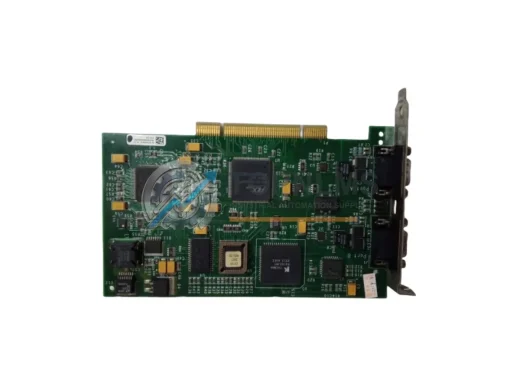
Schneider Electric 416NHM30032A Modicon Quantum PLC memory card. Rugged, reliable industrial automation component. In stock, tested, 12-month warranty. Fast shipping.
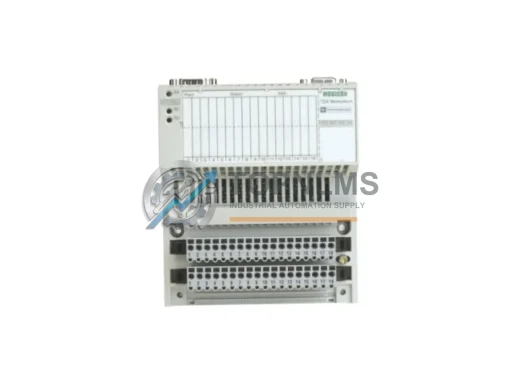
Schneider Electric 170INT11000 original Modicon Momentum Interbus communication adapter. Industrial replacement, 12-month warranty, fast shipping. topnlms.com
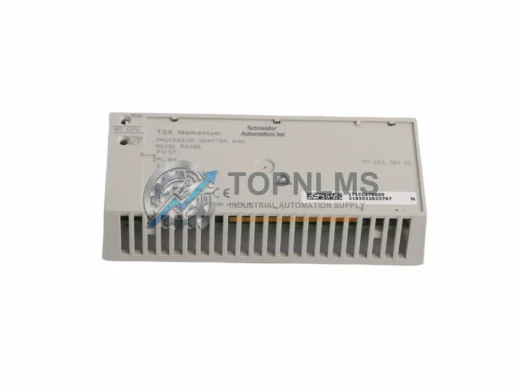
Original Schneider Electric 171CCS78000 Modicon Quantum PLC Processor Adaptor. Industrial spare for system replacement. 12-month warranty. Fast worldwide shipping.
Click Quote This Model and the Part Number field will auto-fill with EPC1000.