
A shaft-position display returns after a control-system restart, but the number is no longer aligned with the machine. The counter is active, the software is receiving data and the production team asks whether the encoder module is defective. That conclusion may be premature. A functioning feedback interface and a valid machine reference are different things.
Bachmann CNT204 and ISI222 equipment illustrates why spare selection should begin with the feedback arrangement and the application’s reference procedure. A familiar module name does not explain how the machine establishes position, what happens when power is lost or which conditions allow movement after recovery.
Counting motion is not the same as knowing machine position
An incremental measurement describes movement relative to a reference established by the system. An application must define how that reference is obtained, retained or re-established. An absolute encoder arrangement has its own interpretation and configuration requirements. Neither should be reduced to the statement that the controller receives a position number.
The maintenance record should identify the encoder, electrical interface, mechanical relationship and application reference logic. Include the approved procedure for recovery after power loss or hardware replacement. If those details exist only in one engineer’s memory, the spare module cannot compensate for the missing information.
Before investigating a position discrepancy, establish a safe machine condition. Do not command motion solely to see whether a value changes. Follow the equipment manufacturer’s procedures and the plant’s isolation, stored-energy and motion-control requirements.
The suffix belongs in the engineering record
Bachmann’s CNT204/x description covers counter functions and incremental-encoder applications. The associated variant documentation distinguishes electrical interfaces. That matters when a store record or catalog title says only CNT204: a family name alone is insufficient for approving a replacement.
The CNT204 catalog listing can begin a sourcing conversation, but the offered suffix and manufacturer part number must be established before acceptance. Ask for clear label photographs and the applicable documentation. Do not infer an electrical variant from the product photograph or transfer a specification from a different suffix.
Bachmann’s ISI222/x datasheet describes positioning functions with incremental and SSI interfaces, while differentiating variants. In particular, the SSI capability must not be generalized to ISI222/8. That is a useful example of why a shortened name can conceal a decisive compatibility difference.
Accordingly, an inquiry for the ISI222 positioning-module reference should state the exact installed version and encoder arrangement. It should not describe the module as an automatic upgrade for CNT204. The application, interface and software requirements determine whether a different device could be considered at all.
Separate three possible failures
First, the interface may not be receiving the expected signal. Second, it may receive a signal whose interpretation is wrong for the application. Third, the measurement may be technically valid while the machine reference is missing or incorrect. These cases can produce similar operator complaints but lead to different corrective work.
Record what changed before the discrepancy appeared. Relevant events may include an encoder replacement, mechanical work, a configuration restoration or loss of power. Treat the timeline as evidence, not as proof that the most recent component is responsible. Preserve the original parameter and diagnostic information before making changes.
Where the fault relates to an interface, use the manufacturer’s diagnostic guidance and approved test equipment. Where it relates to scaling or reference logic, involve the engineer responsible for the application. A purchasing team should not be asked to resolve an unverified software or mechanical problem by selecting a different module.
Define a reference test, not merely a value-change test
A value changing on a screen demonstrates only a limited part of the signal path. The approved acceptance plan should address direction, scaling, reference relationship and behavior after the relevant recovery event. It should also define how implausible or missing feedback is handled by the application.
Use known, controlled reference conditions where the machine permits them, and document the expected result before testing. Do not improvise travel limits or bypass protective functions. Some checks may be possible in a bench or simulation environment; others require a controlled commissioning window and explicit operational authorization.
After the work, retain the test conditions and observations. “Encoder OK” is too vague to help the next technician distinguish a verified electrical input from a verified machine position. The record should explain what was established and what remained outside the test scope.
Build a spare package around recovery
Alongside the hardware reference, record the required configuration, compatible engineering environment and location of the recovery procedure. Confirm the supply scope for terminals and accessories rather than assuming they accompany a used or refurbished module. A technically correct unit can still delay recovery if the required connection hardware is missing.
For a shared spare serving several machines, document each approved application separately. The same module can support different reference procedures and settings. A stock item should not carry one machine’s configuration into another without review, even when both use the same encoder family.
Feedback and spare questions
Does an incrementing count prove that the axis reference is correct?
No. It shows that some change is being registered. The relationship between that count and the physical machine reference still needs verification under the approved application procedure.
Is CNT204 a sufficiently complete purchasing description?
Not when the electrical variant and manufacturer part number remain unknown. Preserve the installed suffix and label information, and require the offered identity to be confirmed before accepting compatibility.
Can we assume every ISI222 variant supports SSI?
No. The manufacturer’s variant information differentiates capabilities, including the ISI222/8 limitation. Match the exact version to the encoder and application; do not approve it from the family heading alone.
Should a replacement automatically restore the old position value?
No universal assumption is valid. The result depends on the encoder arrangement, application state and reference strategy. Follow the machine’s documented recovery procedure before authorizing operation.
For Bachmann feedback-module sourcing, send TOPNLMS the complete installed identity, encoder interface and required supply scope. Request an exact-reference quotation and flag any proposed alternative for application-specific engineering review.
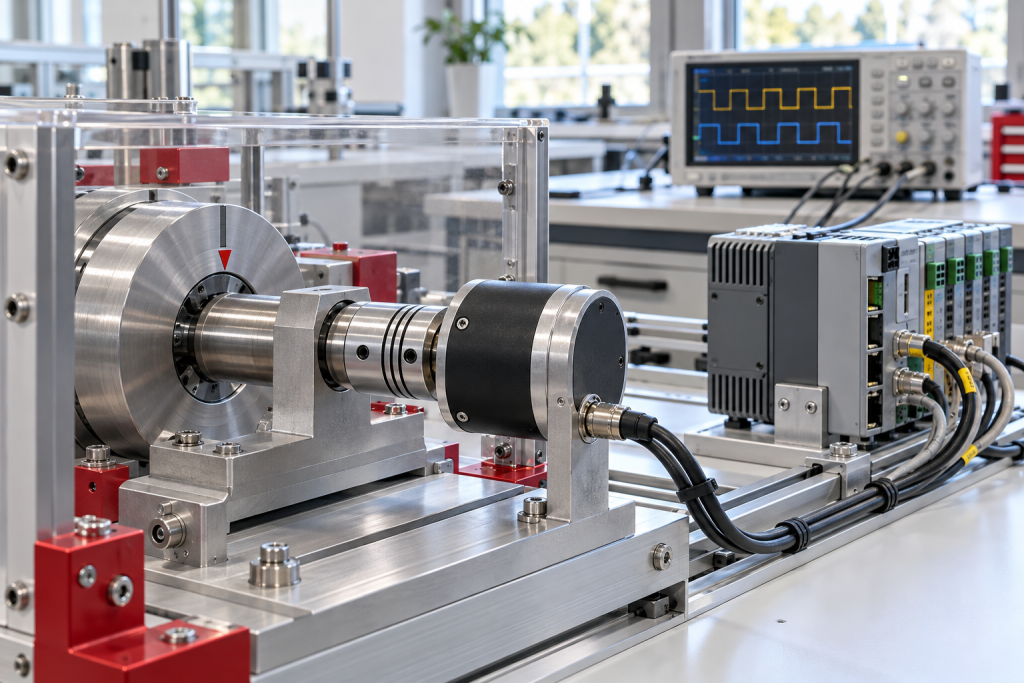
Image: AI-generated editorial illustration, not an exact product photograph or installation reference.
© 2026 TOPNLMS. All rights reserved. Official Website: https://topnlms.com Inquiry: [email protected] | WhatsApp/Tel: +86 18359293191